U.S. and China Adopt New Diplomatic Language After Summit
Chinese officials introduced a new phrase for relations with the U.S. during a recent meeting. The wording replaces an earlier slogan and sets conditions for future cooperation.
 Semafor
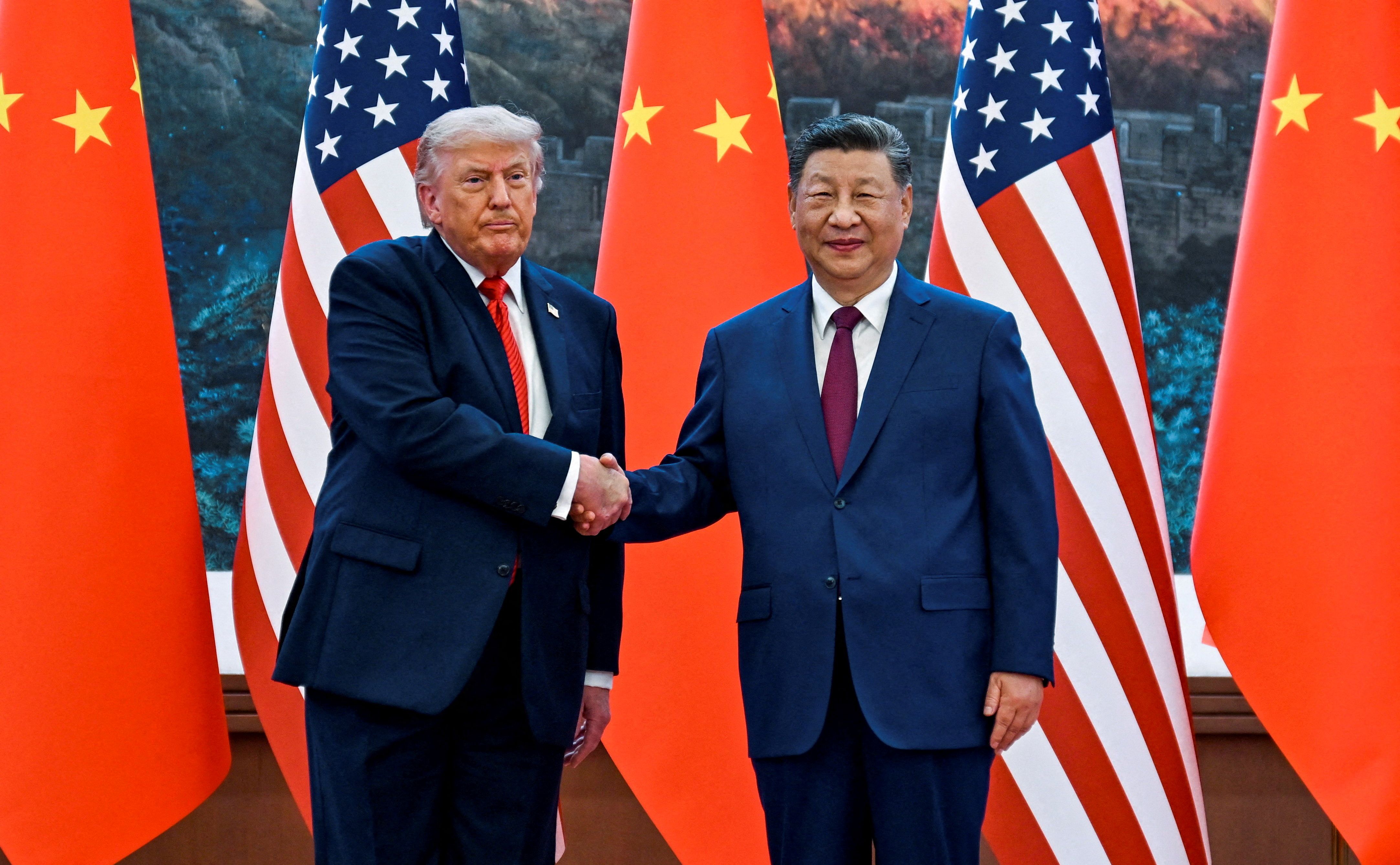
Chinese officials introduced the phrase "constructive strategic stability" during a meeting with U.S. officials last week. The new wording replaces an earlier phrase that had been used for more than a decade. Officials described the change as an effort to signal both reassurance and limits on acceptable actions.
Chinese officials have long used specific phrases to frame relations with other countries. The previous phrase emphasized mutual benefit, while the new wording focuses on maintaining order and avoiding certain lines. The shift comes as both sides seek agreements on trade and security issues.
Topics raised during the meeting included sales of agricultural products and aircraft, market access for businesses, and cooperation on technology and drug enforcement. Officials also discussed arms sales to Taiwan. A U.S. decision on a proposed package remains pending.
The meeting included formal ceremonies and gestures between the two sides. Attendees were required to dispose of items received during the visit before departure.
Transparency
Story details
Related Stories
 Euronews
NASA Crew Shelters in Crew Dragon as Precaution During Russian Repairs to Zvezda Leak
Five astronauts sheltered inside a docked Crew Dragon spacecraft on Monday while Russian cosmonauts repaired air leaks in the Zvezda service module. The leak rate had doubled to two pounds of air per day.
 Variety
British Actor Anthony Head, Known for Buffy the Vampire Slayer, Dies at 72
Anthony Head, known for playing Rupert Giles in Buffy the Vampire Slayer, died of complications from pneumonia. His daughters Emily and Daisy Head announced the death in a statement released Friday.
 Breaking Defense
Pentagon Cyber Command Develops Framework to Defend Critical Infrastructure
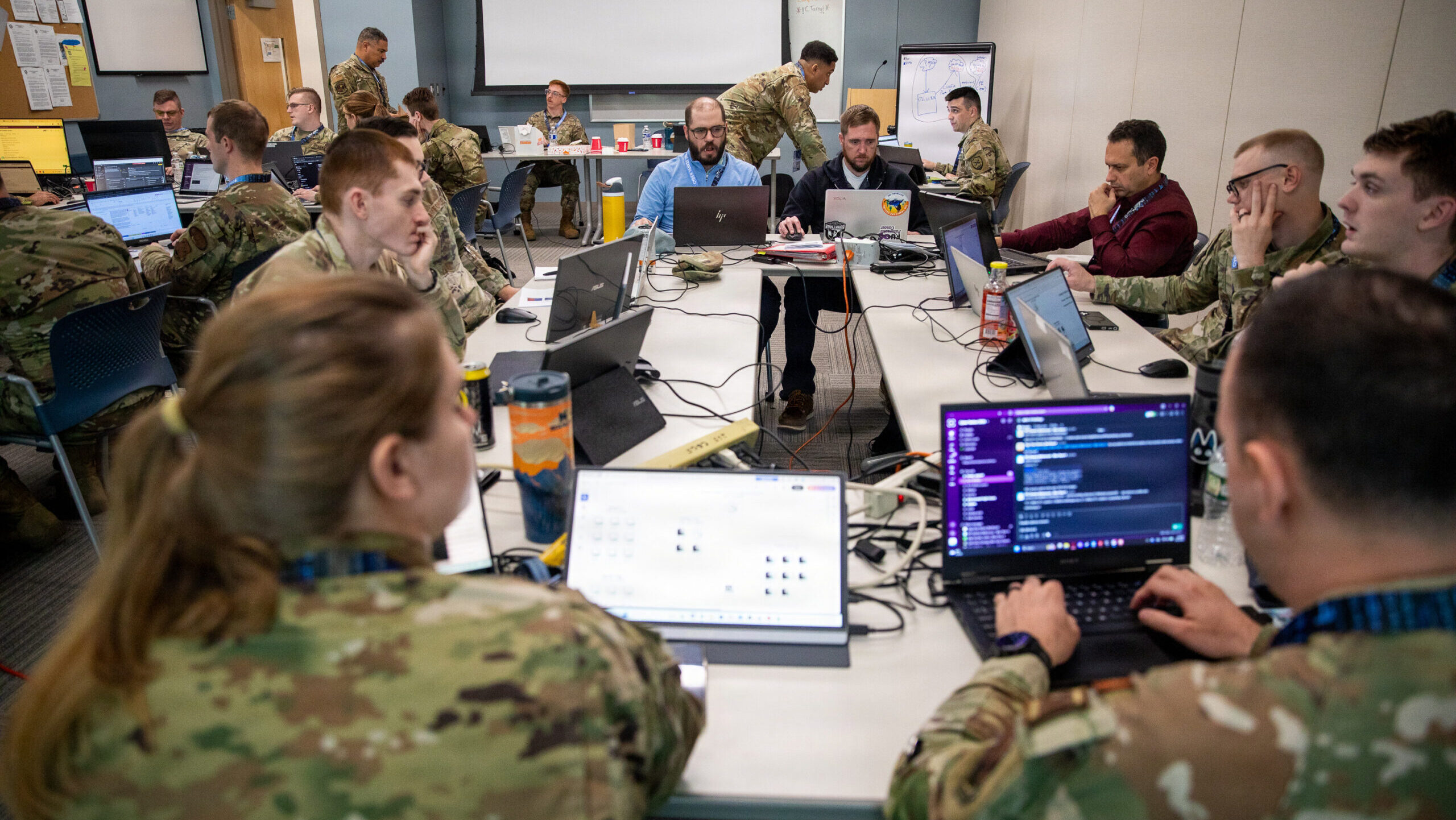
The Defense Cyber Defense Command is building a joint task force and command structure to coordinate responses to cyberattacks on U.S. critical infrastructure. Officials are modeling the effort on existing authorities used by Northern Command and FEMA.