politics
U.S. and China Discuss Trade and Technology at Beijing Summit
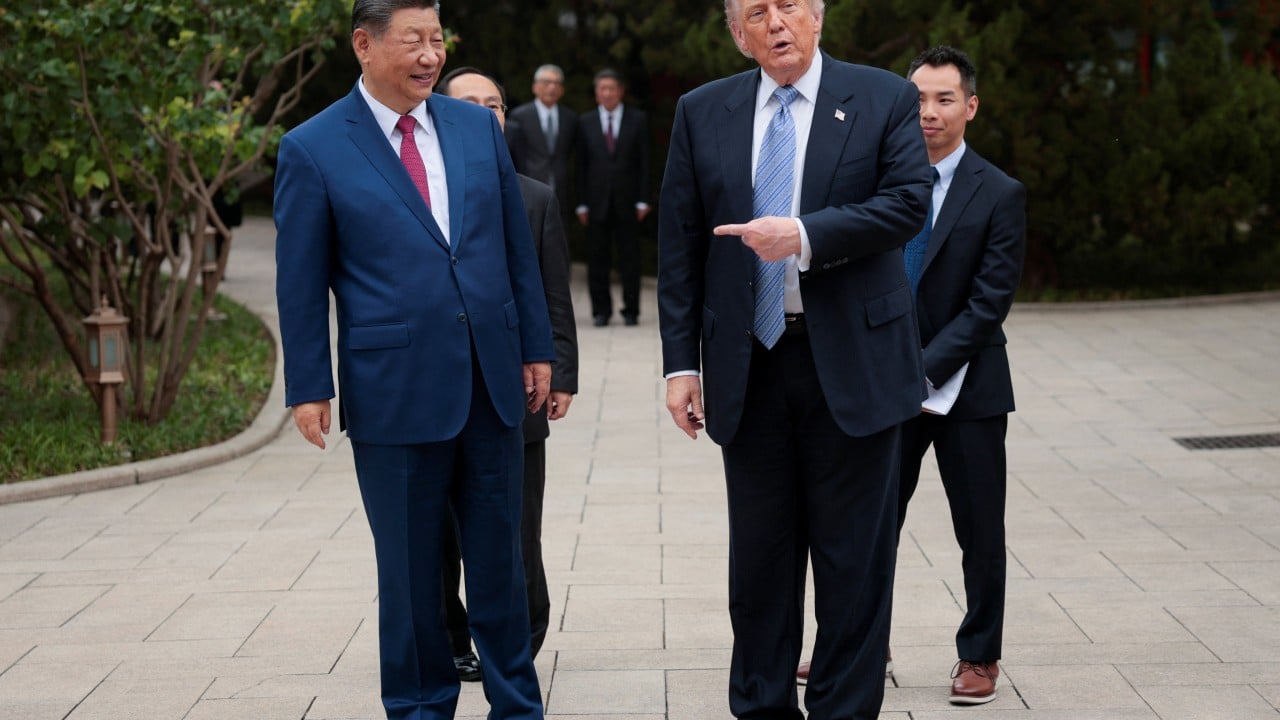
Officials from the United States and China held talks in Beijing on bilateral trade and technology issues. The discussions addressed trade mechanics and geopolitical framing but left strategic technology questions largely implicit.
May 26, 4:30 AM·1m read1 source
 South China Morning Post
Audio version
Tap play to generate a narrated version.
Developing·Limited corroboration so far. This page will refresh as more sources emerge.
The summit in Beijing addressed trade and investment at the lower level and geopolitical rivalry at the upper level. Officials agreed to establish separate boards to manage bilateral trade and investment in non-sensitive sectors. These boards are expected to function only if strategic stability exists at the middle layer involving technology and critical supply chains.
Last year the U.S. goods trade deficit reached a record US$1.24 trillion while China recorded a record trade surplus of US$1.2 trillion. The U.S. Supreme Court and Court of International Trade ruled that certain tariffs are invalid. Import sources have shifted and export markets have diversified without major changes to overall trade balances.
The middle strategic layer centers on technology and critical minerals that can constrain or enable cooperation. Two companies were cited as examples of mutual dependencies in this layer. The summit left this middle layer largely implicit while focusing on the top and bottom layers of the relationship.
Transparency
How sources framed this
Single source — no framing comparison available.
CorroborationModerate · 1 source