Substrate
world

U.S. Considers Diplomatic Reset with Red Sea State Amid Iran Threats to Shipping

The Trump administration is examining options to improve relations with a state along the Red Sea. This occurs as Iran has issued threats to disrupt a second major maritime route. The state holds key territory in the region.

WS
1 source·Apr 22, 8:43 PM(36 days ago)·1m read
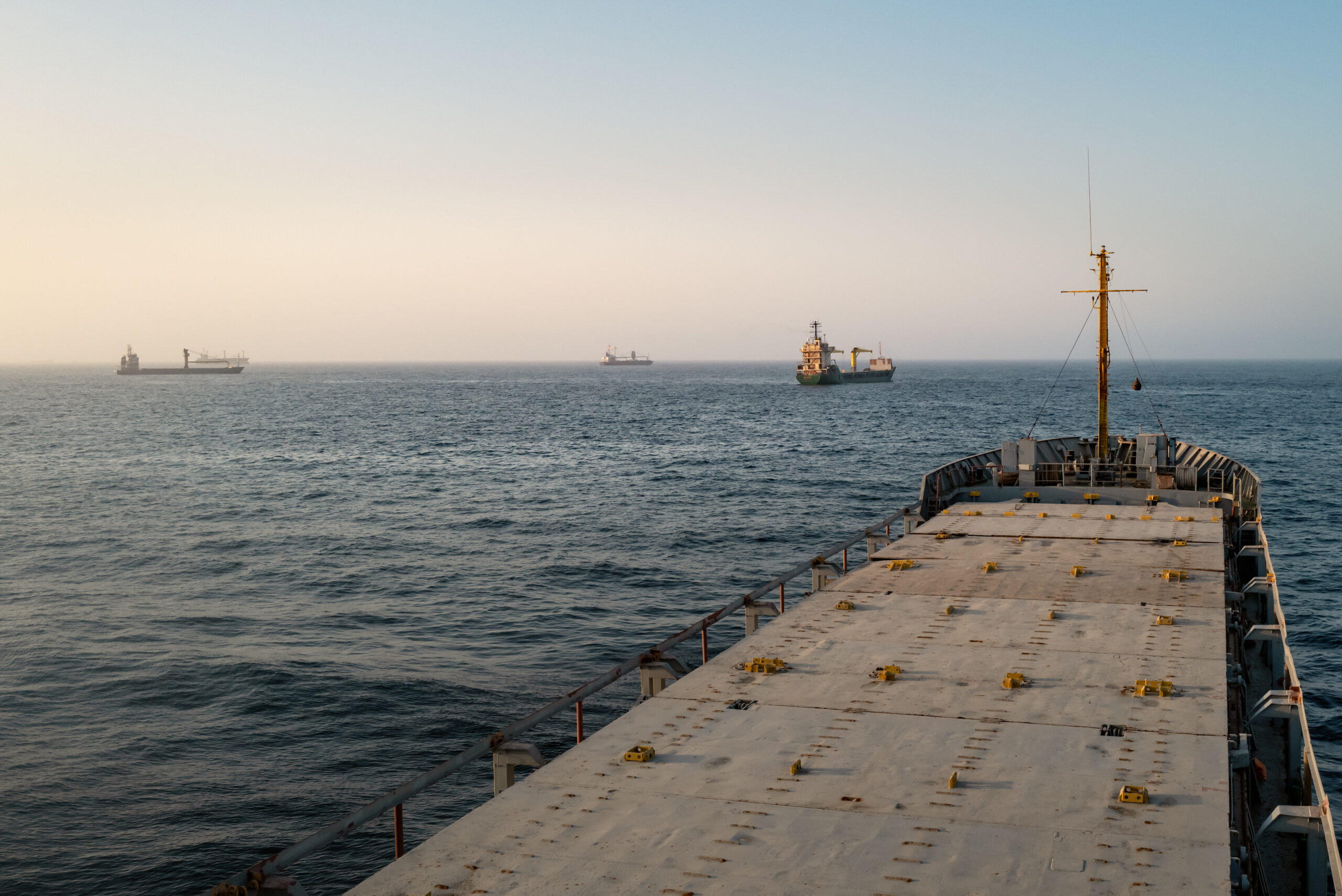
U.S. Considers Diplomatic Reset with Red Sea State Amid Iran Threats to ShippingWikimedia Commons (Public domain)
Audio version
Tap play to generate a narrated version.
Developing·Limited corroboration so far. This page will refresh as more sources emerge.

The Trump administration is exploring ways to improve diplomatic ties with a state that controls significant territory along the Red Sea. This development comes as Iran has threatened to interfere with a second important shipping corridor in the area. The Red Sea serves as a critical pathway for global trade, connecting Europe, Africa, and Asia.

The state in question maintains control over strategically located land along the Red Sea, which is vital for maritime traffic. Iran's threats target this corridor, following tensions involving other routes. Officials have not specified the exact nature of the proposed reset in ties.

Such diplomatic efforts could aim to stabilize the region amid ongoing geopolitical challenges. The administration's exploration reflects responses to current security concerns in maritime areas. Further details on the initiative have not been disclosed.

Key Facts

Trump administration diplomatic exploration
The Trump administration is exploring ways to reset ties with a reclusive and autocratic state.
State's strategic control
The reclusive and autocratic state controls prime geopolitical real estate along the Red Sea.
Iran's maritime threat
Iran threatens to choke off a second vital maritime corridor.

Story Timeline

3 events
  1. 2026-04-22

    Iran threatens to choke off a second vital maritime corridor.

    1 source@WSJ
  2. 2026-04-22

    Trump administration explores ways to reset ties with reclusive and autocratic state controlling Red Sea territory.

    1 source@WSJ
  3. Recent (undated)

    Reclusive and autocratic state maintains control over prime geopolitical real estate along the Red Sea.

    1 source@WSJ

Potential Impact

  1. 01

    Escalation of regional tensions due to Iran's threats on maritime corridors.

  2. 02

    Potential shift in U.S. alliances in the Red Sea region, affecting trade routes.

  3. 03

    Changes in geopolitical dynamics along the Red Sea, influencing global shipping.

Transparency Panel

Sources cross-referenced1
Framing risk0/100 (low)
Confidence score75%
Synthesized bySubstrate AI
Word count138 words
PublishedApr 22, 2026, 8:43 PM
Bias signals removed3 across 3 outlets
Signal Breakdown
Loaded 3

Related Stories

WHO Chief Visits DRC as Ebola Death Rate Reaches 30-50%The Guardian
world44 min ago

WHO Chief Visits DRC as Ebola Death Rate Reaches 30-50%

World Health Organization director-general Tedros Adhanom Ghebreyesus arrived in the Democratic Republic of the Congo to support containment of a new Ebola outbreak. The agency revised the death rate to 30-50% based on confirmed cases and recorded 10 confirmed and 223 suspected d…

SK
The Guardian
2 sources
Greek National Charged in UK With Aiding Iran-Linked Intelligence Servicewesternjournal.com
world44 min ago

Greek National Charged in UK With Aiding Iran-Linked Intelligence Service

A 46-year-old Greek man living in Germany was charged under the UK National Security Act with assisting an intelligence service believed to be Iran by targeting a journalist at Iran International.

Reuters
BBC News
2 sources
Supreme Court Revives Havana Docks Lawsuit Over Confiscated Cuban Propertyupi.com
world2 hrs ago

Supreme Court Revives Havana Docks Lawsuit Over Confiscated Cuban Property

The U.S. Supreme Court sent a Helms-Burton Act case back to lower courts for further argument. The suit seeks damages from cruise lines that used docks seized by Cuba in 1959.

FO
1 source