Substrate
politics

U.S. Customs Begins Refunding Tariffs Ruled Unauthorized by Supreme Court

U.S. Customs and Border Protection has launched an online portal for companies to request refunds on tariffs imposed last year under the International Emergency Economic Powers Act, following a Supreme Court ruling that deemed them unauthorized. Delivery companies like FedEx and UPS plan to pass refunds to customers.
Reason
theatlantic.com
2 sources·Apr 23, 3:45 PM(12 days ago)·2m read
|
U.S. Customs Begins Refunding Tariffs Ruled Unauthorized by Supreme CourtSubstrate placeholder — needs review · Wikimedia Commons (CC BY-SA 3.0)
Audio version
Tap play to generate a narrated version.
Developing·Limited corroboration so far. This page will refresh as more sources emerge.

The U.S. Customs and Border Protection (CBP) has initiated the process of refunding tariffs collected under authority later ruled unauthorized by the U.S. Supreme Court. The tariffs, imposed last year using the International Emergency Economic Powers Act (IEEPA), affected various imports.

The Supreme Court determined in February that the administration lacked legal authority to impose these duties via IEEPA. This week, CBP opened an online portal for companies to submit tariff receipts and request refunds. The agency stated that importers and brokers should expect refunds within 60 to 90 days, though some cases may take longer.

The initial phase covers only goods that have not completed the duty-paying process, accounting for about 63 percent of affected imports, according to information provided to the Court of International Trade in March.

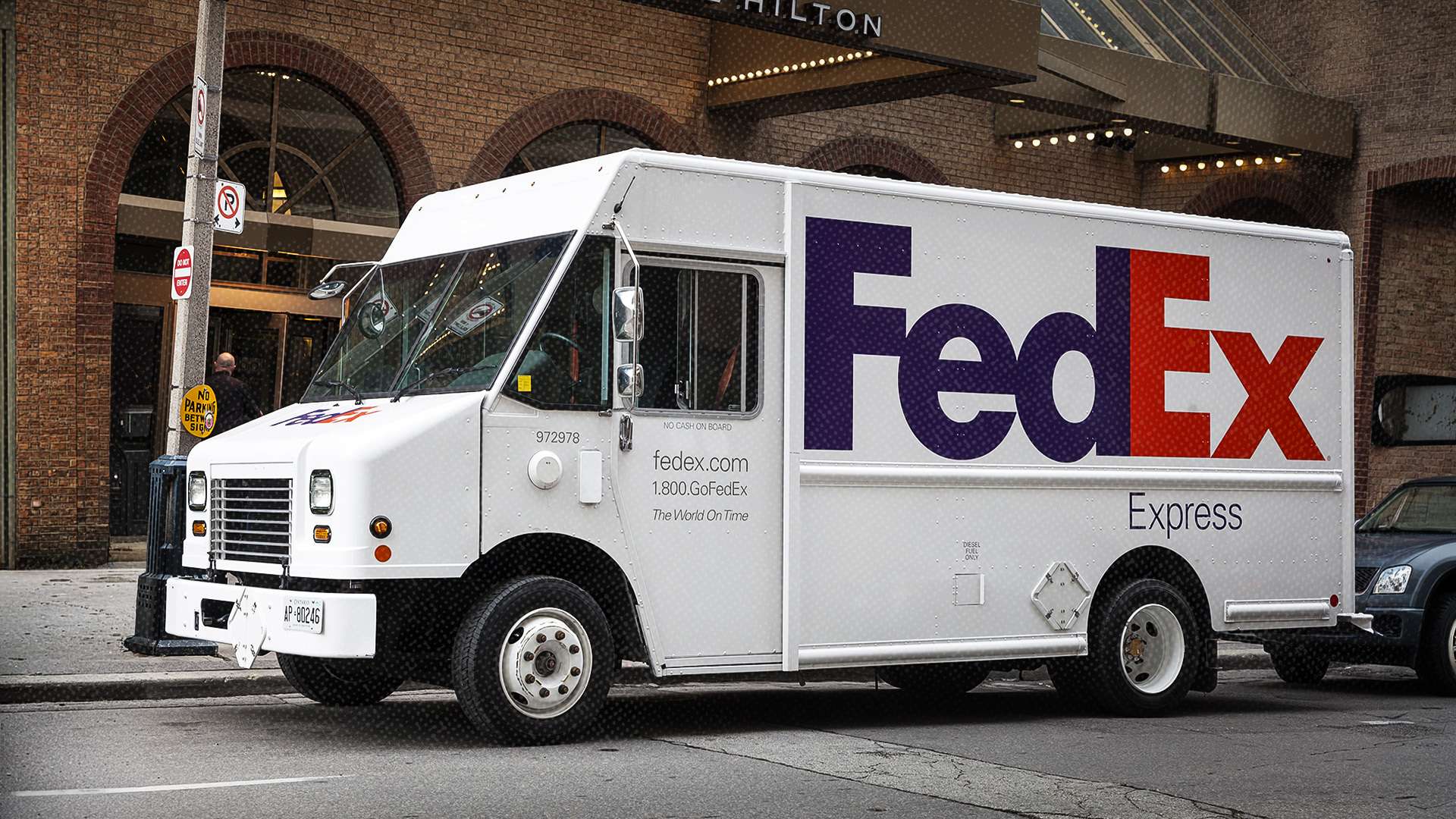
firms have announced plans to facilitate refunds for their customers. FedEx stated that if it receives refunds from CBP, it will issue them to shippers and consumers who paid the charges. UPS indicated it will request refunds on behalf of customers and then distribute them to the original payors.

Other businesses are also addressing potential refunds. Costco's CEO said in March that the company would attempt to pass along any refunds through lower prices, though tracking exact impacts on individual items is challenging due to tariff complexity.

from the Federal Reserve and Columbia University published a paper in February showing that U.S. consumers bore 94 percent of the tariff costs, with prices of affected goods rising 11 percent more than unaffected goods. Refunds are legally directed only to importers of record.
The administration has replaced the IEEPA tariffs with new ones under the Trade Act of 1974 and is pursuing additional tariffs under other authorities. The White House has encouraged businesses not to seek refunds for the previous tariffs. With new tariffs in place, which the administration described as potentially larger, companies are preparing for ongoing costs.

This environment may reduce the likelihood of widespread consumer relief from the refunds.

Key Facts

63 percent
of IEEPA-tariffed imports eligible in first refund phase
94 percent
of tariff costs borne by U.S. consumers per economists' paper
11 percent
higher price increase for tariffed goods vs. non-tariffed
60-90 days
expected timeline for most refund issuances

Story Timeline

4 events
  1. This week

    U.S. Customs and Border Protection opened an online portal for tariff refund requests.

    1 sourceReason
  2. March

    The administration informed the Court of International Trade that initial refunds would cover 63 percent of affected imports.

    1 sourceReason
  3. February

    The U.S. Supreme Court ruled that the administration lacked authority to impose tariffs under IEEPA.

    1 sourceReason
  4. Last year

    Tariffs were imposed using the International Emergency Economic Powers Act.

    1 sourceReason

Potential Impact

  1. 01

    Delivery companies may reduce customer charges, easing some business costs.

  2. 02

    New tariffs under different laws may sustain higher import costs for companies.

  3. 03

    Retailers could lower prices on certain goods if refunds are passed along.

  4. 04

    Consumers might see indirect relief through adjusted pricing in supply chains.

Transparency Panel

Sources cross-referenced2
Framing risk18/100 (low)
Confidence score65%
Synthesized bySubstrate AI
Word count339 words
PublishedApr 23, 2026, 3:45 PM
Bias signals removed4 across 2 outlets
Signal Breakdown
Loaded 1Framing 1Editorializing 1Amplifying 1

Related Stories

Trump Signs Memorandum to Revive Presidential Physical Fitness Award at White House EventOffice of White House Press Secretary / Wikimedia (Public domain)
politics2 hrs agoDeveloping

Trump Signs Memorandum to Revive Presidential Physical Fitness Award at White House Event

President Donald Trump signed a memorandum on May 5, 2026, restoring the Presidential Physical Fitness Award and reintroducing a competitive fitness test in U.S. schools. The event featured student athletes on the White House South Lawn, where Trump demonstrated his signature dan…

Fox News
ABC News
2 sources
Education Department Investigates Smith College on Transgender AdmissionsThe Guardian
politics2 hrs agoFraming65Framing risk65/100Lede misdirection foregrounds the investigation process over the substantive policy debate; minor valence skew in quoting department's loaded concerns without equal counterbalance.Click to jump to full framing analysis

Education Department Investigates Smith College on Transgender Admissions

The U.S. Department of Education has launched a civil rights investigation into Smith College, alleging that its policy of admitting transgender women violates Title IX by allowing 'biological males' into women's spaces. The probe stems from a complaint by a conservative group an…

The Guardian
The New York Times
The Washington Post
CBS News
4 sources
U.S. Pauses One-Day Ship Guidance in Strait of Hormuz as Iran Talks Advancechannelnewsasia.com
politics4 hrs agoDeveloping

U.S. Pauses One-Day Ship Guidance in Strait of Hormuz as Iran Talks Advance

President Trump announced a pause in the one-day-old effort to guide ships out of the Strait of Hormuz, citing progress toward an agreement with Iran. Secretary of State Marco Rubio declared the war with Iran concluded after a month-old cease-fire. The U.S. blockade remains in pl…

The New York Times
National Review
2 sources