finance
U.S. Discusses Adding Nuclear Weapons Sites in More NATO Countries
The United States is considering placing nuclear weapons in additional NATO member states beyond the six that currently host them. Officials have held internal talks on expanding deployments along NATO's eastern flank.
Jun 3, 4:15 AM·1m read1 source
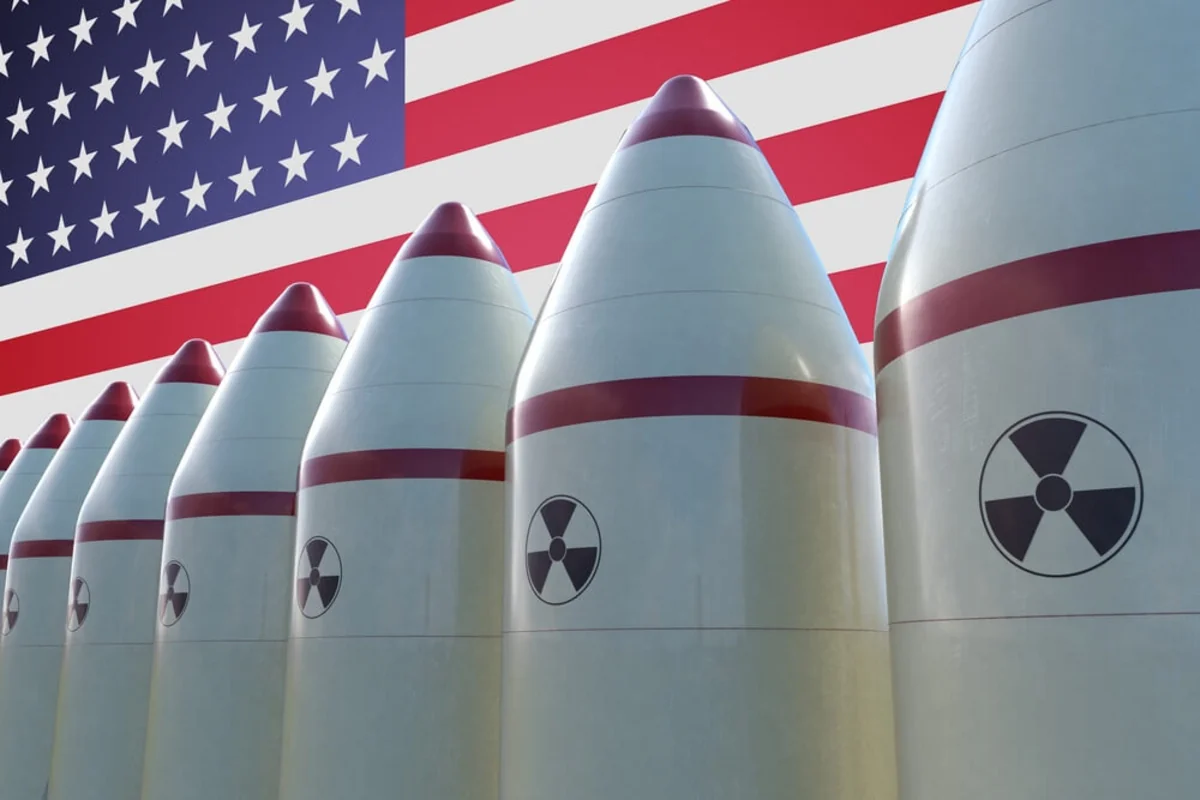 azernews.az
Audio version
Tap play to generate a narrated version.
Developing·Limited corroboration so far. This page will refresh as more sources emerge.
The United States is discussing whether to deploy nuclear weapons in additional NATO countries, according to a Financial Times report published Tuesday. Current NATO nuclear-sharing arrangements limit hosting of U.S. dual-capable aircraft and forward-deployed nuclear bombs to Belgium, Germany, Italy, the Netherlands, Turkey, and the United Kingdom.
Officials have signaled openness to expanding the list, with Poland and Baltic states expressing interest in hosting the required facilities.
The White House has also discussed reducing conventional U.S. military presence in Europe, including a plan to withdraw 5,000 troops from Germany, though some forces have been relocated to Poland. Reports indicate that any reduction in conventional forces could coincide with an increase in nuclear hosting arrangements.
A 1997 NATO-Russia agreement stated that NATO had no plans to place nuclear weapons in new member states. Some countries that joined NATO later have since indicated openness to hosting U.S. nuclear weapons.
NATO discussions on expanded nuclear hosting are underway, though no agreement is imminent. The proposal is described as part of broader talks on European defense spending and force posture.