U.S. Ends War with Iran After Assassinations and IRGC-Backed Leadership Shift
The United States concluded its war with Iran following the killing of Supreme Leader Ali Khamenei and his deputies. New Iranian leaders, backed by the IRGC, emerged amid U.S. statements disavowing regime change. Calls emerged for a selective peace deal to maintain pressure on the regime.
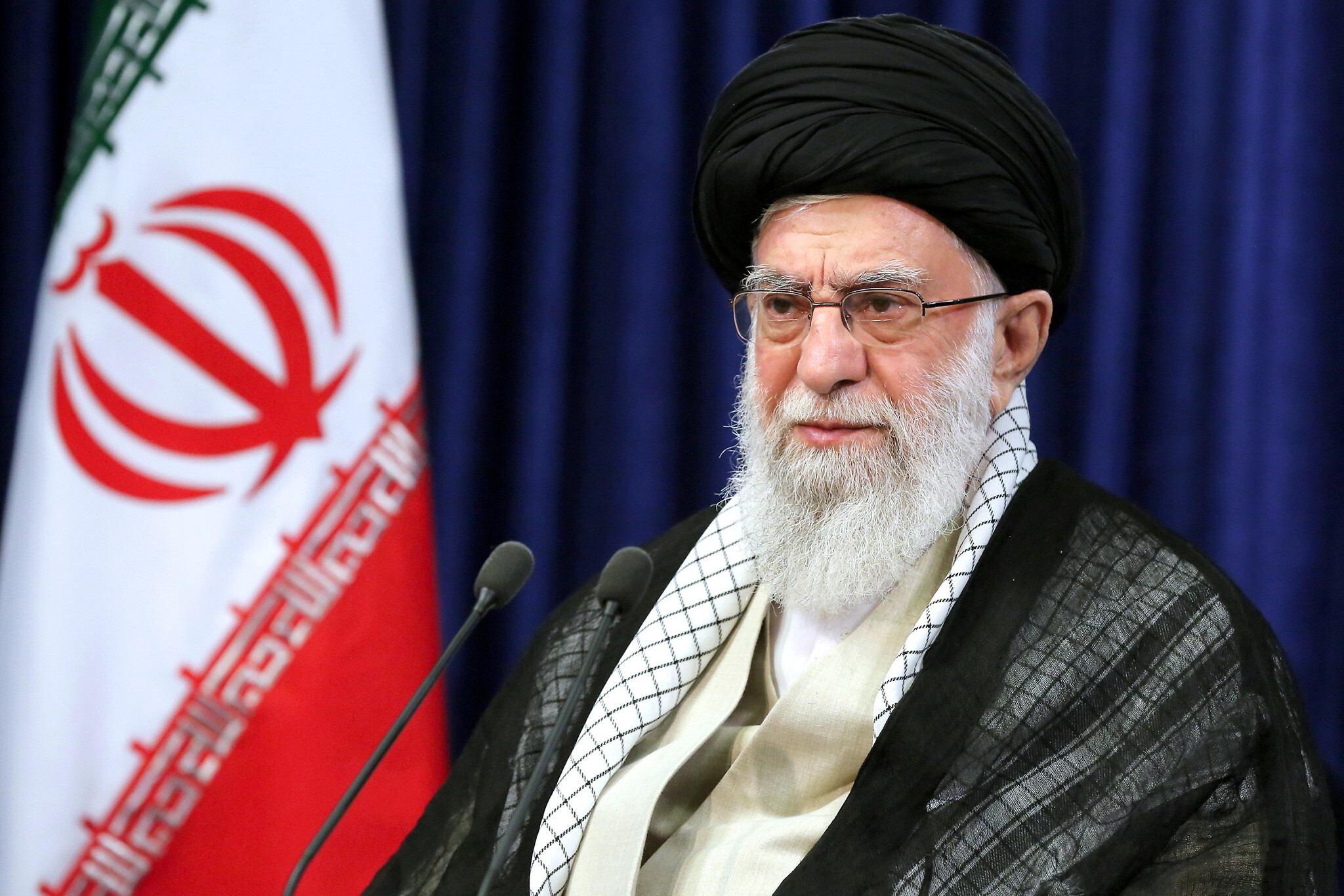 pakistantoday.com.pk
The United States ended its war with Iran after American and Israeli actions killed Iranian Supreme Leader Ali Khamenei and his top deputies, leading to the installation of new leaders in Tehran. Mojtaba Khamenei, son of the slain Ali Khamenei, became the new supreme leader, likely placed in power by the Islamic Revolutionary Guard Corps (IRGC).
The entire family of Mojtaba Khamenei was killed in the actions, according to @ForeignAffairs reported.
President Donald Trump announced on February 28, 2026, that the United States was at war with Iran. By mid-April 2026, Trump suggested that the killings had achieved a form of regime change. The actions targeted Khamenei and his deputies, resulting in a shift to IRGC-backed figures.
Ahmad Vahidi emerged as the new head of the IRGC. Vahidi was previously responsible for the IRGC Quds Force. He is suspected of planning the AMIA Jewish community center bombing in Buenos Aires in 1994 that killed 85 people.
Iranian Foreign Minister Abbas Araghchi is a former IRGC soldier. Supreme National Security Council Secretary Mohammad Bagher Ghalibaf is also a former IRGC soldier. These figures represent continuity in Iran's hard-line stance, with @ForeignAffairs reporting that the new leaders are longtime regime loyalists determined to strengthen the Islamic Republic.
U.S. administration officials clarified the war's objectives. U.S. Iranian President Masoud Pezeshkian declared on March 7, 2026, that Iran would stop attacking Gulf Arab states. However, @ForeignAffairs reported that Pezeshkian was quickly overridden by IRGC commanders, highlighting the corps' dominance.
The report noted that Iran's new leaders have inherited economic challenges, including protests over repression and mismanagement. @ForeignAffairs detailed that millions of Iranians protested the economy and public services three months prior to the report's April 28, 2026, publication.
The regime has used the war to rally support, but underlying issues like corruption and resource shortages persist.
The IRGC-controlled Khatam al-Anibya holds a monopoly over construction, likely to gain more power in rebuilding efforts. U.S. should pursue modest arrangements to maintain the cease-fire and open the Strait of Hormuz while keeping pressure on Iran.
It argued against comprehensive sanctions relief, which could empower the IRGC and relieve popular pressure on the regime. Iran proposed a ten-point plan, and Trump offered a 15-point one, both including broad relief. @ForeignAffairs emphasized that Iran's new leaders remain repressive and aggressive, continuing threats to quell protests and resume attacks if the cease-fire fails.
S. , Israeli, and Gulf targets. Verification challenges persist, given the collapse of international inspections. Historical context from @ForeignAffairs includes the 2015 Joint Comprehensive Plan of Action, which provided targeted relief without empowering the IRGC.
Trump's 2018 withdrawal imposed sweeping sanctions, boosting the IRGC's role in evasion. The report noted Iran's pivot away from reforms, increasing the corps' power. Protests in Iran have grown over five years, driven by economic pressures under sanctions.
@ForeignAffairs reported that the war reduced elite fragmentation, consolidating IRGC control. Iranian officials stressed normalcy in services during the cease-fire, indicating eagerness for a settlement. The report warned that rebuilding priorities would favor military over social services, potentially sparking more unrest.
Iran's leaders face a 'guns or butter' dilemma, likely choosing the former. Public statements from Tehran promise force against protests and attacks on regional states if needed. @ForeignAffairs advocated setting a high bar for sanctions relief to ensure the IRGC does not benefit primarily.
This approach aims to allow internal pressures to sideline the corps, giving Iranians a chance to control their destiny. U.S. administrations handling Iran policy.
Key Facts
Story Timeline
6 events- 2026-04-28
@ForeignAffairs published analysis on U.S.-Iran war end and peace recommendations.
1 source@ForeignAffairs - 2026-04-15
U.S. President Donald Trump stated Iran has new reasonable leaders after killings.
1 source@ForeignAffairs - 2026-03-07
Iranian President Masoud Pezeshkian declared Iran would stop attacking Gulf Arab states.
1 source@ForeignAffairs - 2026-03-02
U.S. Defense Secretary Pete Hegseth stated the war is not for regime change.
1 source@ForeignAffairs - 2026-02-28
U.S. President Donald Trump announced war with Iran and called for revolt.
1 source@ForeignAffairs - 1994-07-18
AMIA bombing in Buenos Aires killed 85 people, suspected planned by Ahmad Vahidi.
1 source@ForeignAffairs
Potential Impact
- 01
Modest cease-fire may unblock Strait of Hormuz, easing global trade disruptions.
- 02
Avoiding broad sanctions relief could prevent IRGC economic dominance.
- 03
Continued economic pressure on Iran could lead to further domestic protests.
- 04
IRGC consolidation might increase internal repression and regional aggression.
- 05
U.S. selective deals may sustain pressure without resuming full conflict.
Transparency Panel
Related Stories
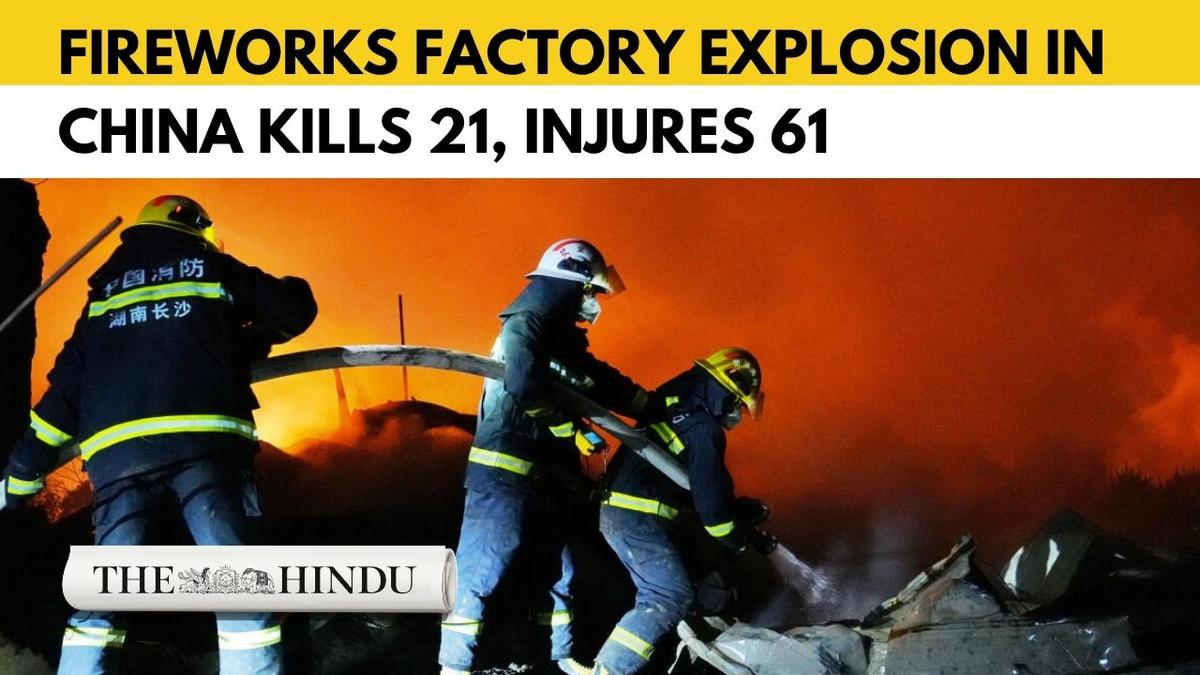 thehindu.com
Explosion at China Fireworks Factory Kills 26 and Injures 61 in Hunan Province
An explosion at the Huasheng Fireworks Manufacturing and Display Company in Liuyang city, Hunan province, killed at least 26 people and injured 61 on Monday afternoon. Rescue operations have concluded, with authorities detaining company staff and halting all local fireworks produ…
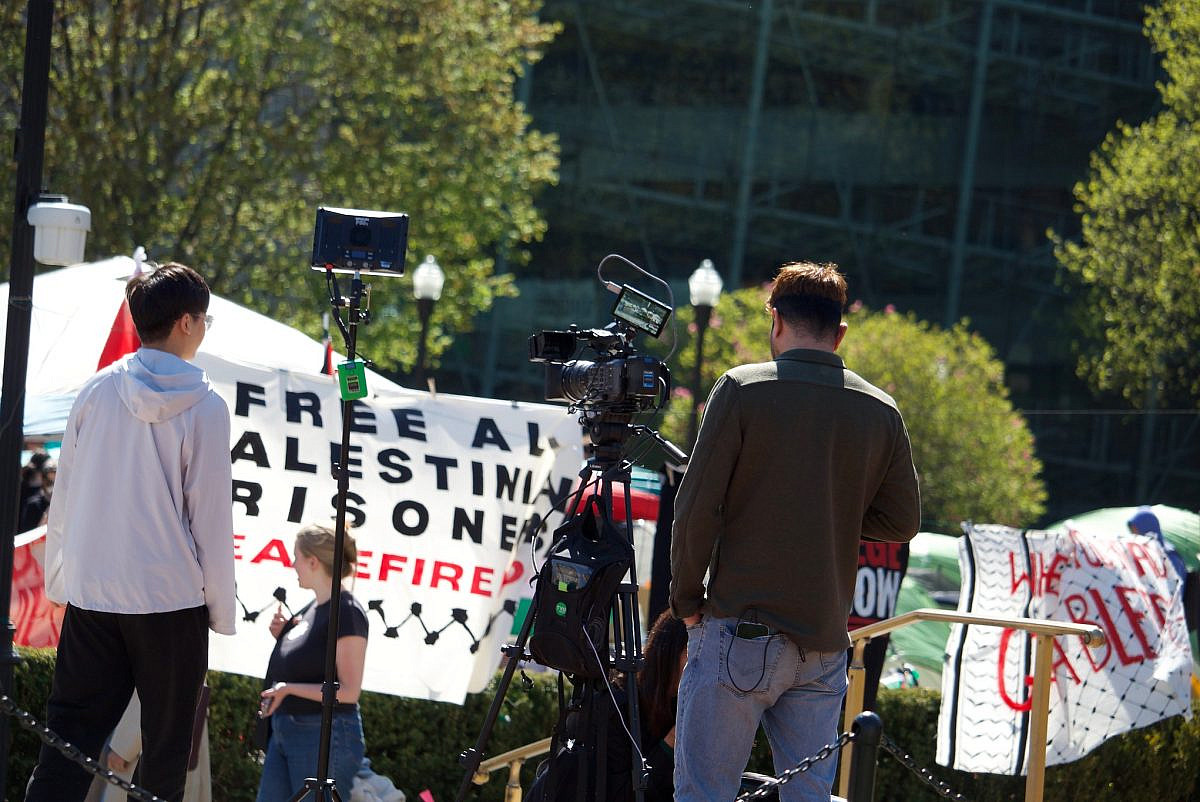 972mag.com
ADL Audit: Antisemitic Incidents Drop 33% in 2025, But Physical Assaults Hit Record High and Three Killed
The Anti-Defamation League released its annual audit on May 6, 2026, documenting a sharp decline in overall antisemitic incidents across the United States during 2025. Physical assaults reached record levels with more than 300 victims and three deaths, the first such fatalities s…
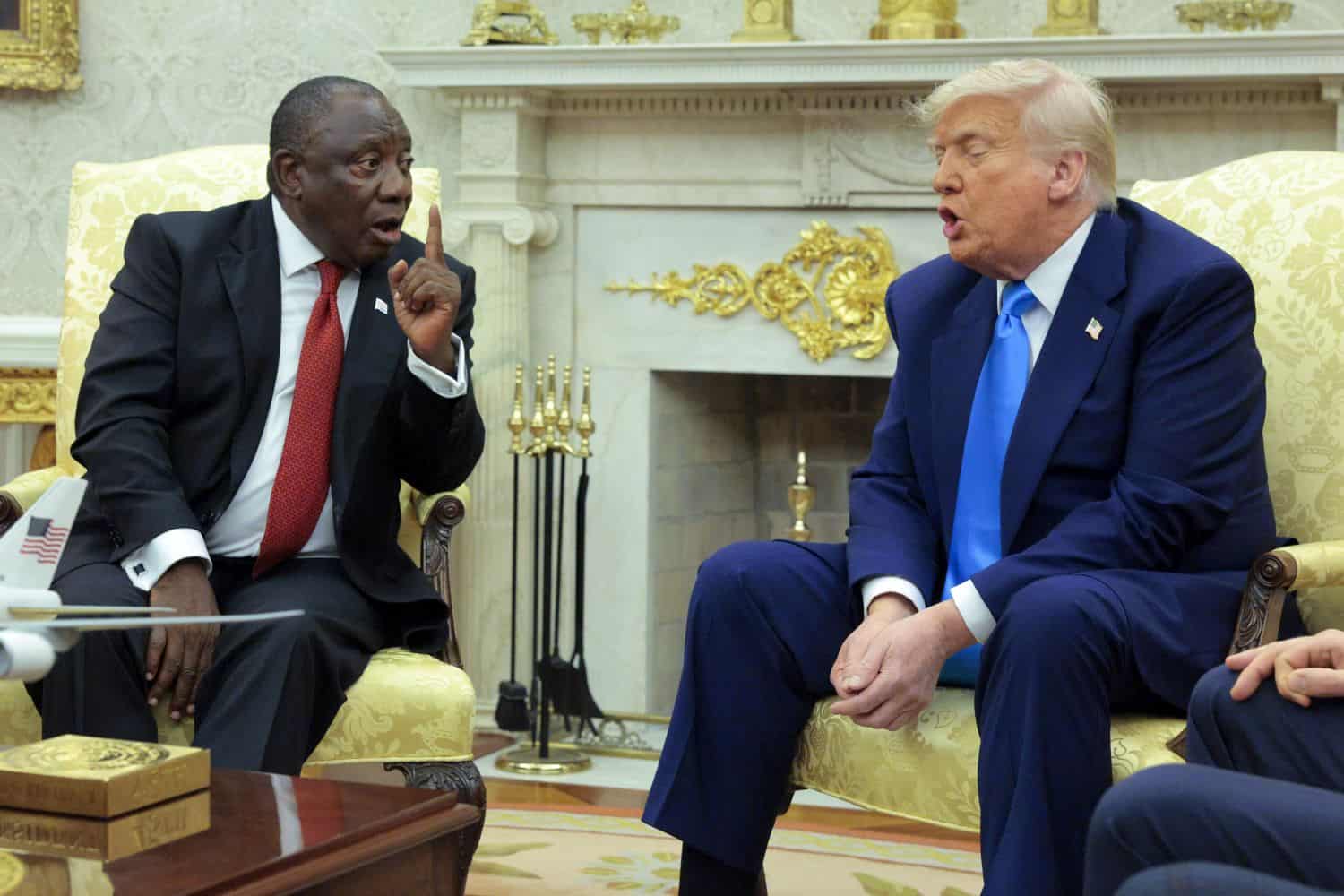 citizen.co.za
Middle East War Disrupts Global Supply Chains and Aviation Amid Diplomatic Efforts
The ongoing Middle East war has led to falling oil prices, plastic shortages in Asia, and minor flight cancellations in Hong Kong. Diplomatic talks continue, with China urging a ceasefire and the U.S. pausing ship escorts in the Strait of Hormuz. Various nations are addressing ec…