U.S. Seeks Enhanced Iran Nuclear Deal, Resolves Trade Disputes
Efforts to negotiate a stronger nuclear deal with Iran have stalled amid demands for ending Tehran's program, which experts deem unlikely. Meanwhile, investigations into an administration deal to halt an offshore wind project in California continue, and threats to raise tariffs on European vehicles highlight tensions in existing trade pacts.
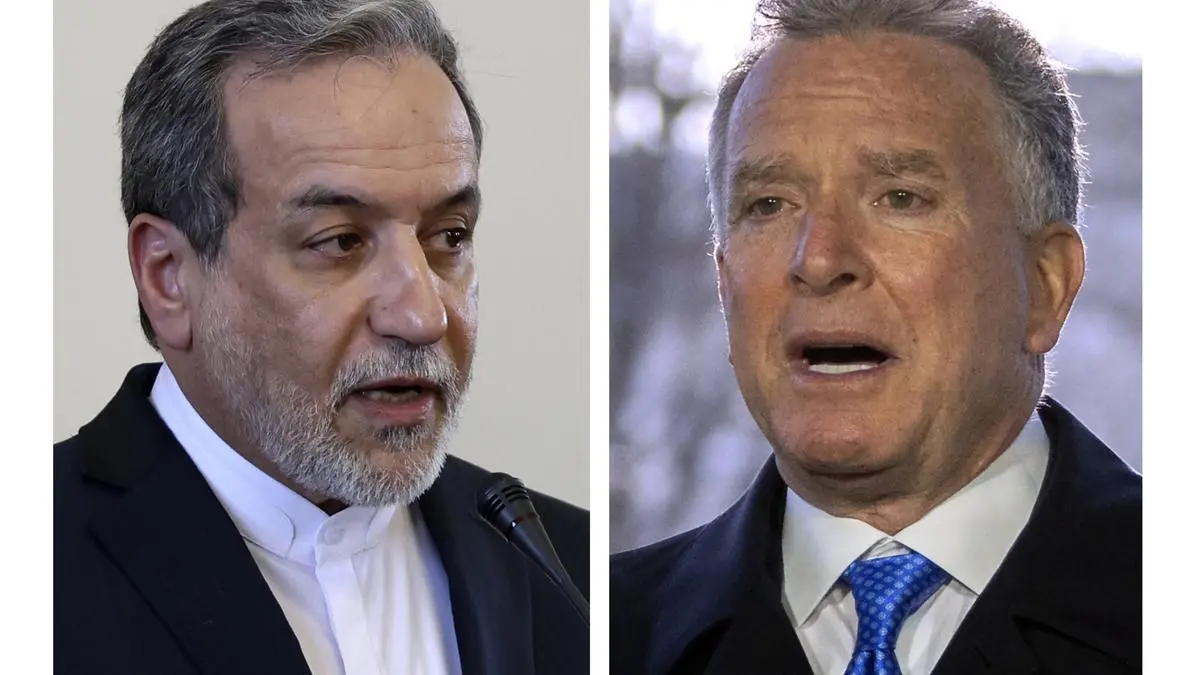
thehindubusinessline.comNegotiations to end the conflict in Iran have reached an impasse. The U.S. has insisted on terms that include dismantling Iran's nuclear program, a condition that sources indicate Iran is unlikely to accept. Reports suggest that economic pressure on Tehran is being intensified, though a significant compromise may be necessary for progress.
Multiple outlets highlight the difficulties in achieving a better agreement than previous ones. Analysts note that without major concessions, a resolution remains elusive. The situation reflects broader challenges in diplomatic engagements.
California authorities are examining an administration agreement to terminate a proposed floating offshore wind project off the state's central coast. The project, known as Golden State Wind, was set for development in that region. Officials announced the investigation on Monday, focusing on the details of the deal that led to its cancellation.
The probe comes amid ongoing monitoring of energy strategies. Sources report intrigue surrounding the decision, which aligns with shifts in policy toward certain renewable initiatives. No further details on the investigation's findings have been released yet.
Threats to increase tariffs on European cars and trucks exported to the U.S. have been announced, potentially raising rates from 15 percent to 25 percent. This move is seen as undermining a trade agreement negotiated last summer between the U.S. and the European Union.
The announcement was made on May 1, reigniting concerns over trade stability. The auto industry in Europe finds itself at the center of renewed trade conflicts. Reports indicate that such tariffs demonstrate the fragility of agreements that can be altered unilaterally.
The potential hike follows previous rejections of trade terms deemed insufficient. Critics argue that deals susceptible to abrupt changes lack reliability. The situation exemplifies how economic pressures are leveraged in international relations. European responses have emphasized the need for consistent trade policies.
These events collectively illustrate vulnerabilities in current diplomatic and trade frameworks. In the case of Iran, the push for a comprehensive end to nuclear activities clashes with Tehran's positions. Similarly, domestic energy deals and international tariffs reveal patterns of renegotiation and scrutiny.
Sources across outlets confirm that economic sanctions and tariff adjustments are key tools in these strategies. However, their effectiveness remains debated amid stalled talks and investigations. The developments occur against a backdrop of warm weather in certain regions, though unrelated to the core issues.
One report mentioned a ceasefire status in the context of moving ships, but details were limited. Another alluded to a confidential electric vehicle project, though without specifics. These elements add layers to the administration's multifaceted approach.
The trade threats specifically target the European car sector, potentially affecting exports significantly. Officials have not provided timelines for implementation. The overall scenario points to ongoing adjustments in policy directions.
Key Facts
Story Timeline
4 events- May 1, 2026
Announcement made to raise tariffs on European cars and trucks to 25 percent.
3 sourcesAl Jazeera · Le Monde · Reason - Monday — recent
California officials announced investigation into deal to end offshore wind project.
2 sourcesAP News · Washington Examiner - Last summer
Trade agreement negotiated between U.S. and European Union.
1 sourceLe Monde - Ongoing
Talks to end war in Iran stalled over nuclear program demands.
3 sourcesFrance 24 · The New York Times · Washington Examiner
Potential Impact
- 01
European auto exports to U.S. will face higher costs reducing competitiveness.
- 02
Trade tensions might lead to retaliatory measures from EU.
- 03
Iran negotiations could prolong conflict without concessions.
- 04
California wind project halt may delay renewable energy development.
- 05
Economic pressure on Iran could strengthen domestic resistance.
Transparency Panel
Related Stories
North Korea Updates Constitution, Omits Korean Unification References Amid International Trade Fair
North Korea has revised its constitution to eliminate references to unification with South Korea. The country also opened the Pyongyang Spring International Trade Fair on Monday, showcasing domestic products like the Jindallae smartphone. More than 290 enterprises from several na…
channelnewsasia.comU.S. Pauses One-Day Ship Guidance in Strait of Hormuz as Iran Talks Advance
President Trump announced a pause in the one-day-old effort to guide ships out of the Strait of Hormuz, citing progress toward an agreement with Iran. Secretary of State Marco Rubio declared the war with Iran concluded after a month-old cease-fire. The U.S. blockade remains in pl…
Trump Signs Memorandum to Revive Presidential Physical Fitness Award at White House Event
President Donald Trump signed a memorandum on May 5, 2026, restoring the Presidential Physical Fitness Award and reintroducing a competitive fitness test in U.S. schools. The event featured student athletes on the White House South Lawn, where Trump demonstrated his signature dan…