world
U.S. Average Gasoline Price Rises to $4.54 per Gallon
The national average price of regular gasoline increased 31 cents over the past week to $4.54, according to AAA. The climb follows Iran's effective closure of the Strait of Hormuz and the U.S. blockade of Iranian ports in April. Oil prices fell below $100 a barrel on Wednesday after signs of progress toward an agreement.
May 6, 1:19 PM·2m read2 sources

Audio version
Tap play to generate a narrated version.
Developing·Limited corroboration so far. This page will refresh as more sources emerge.
U.S. 54 on Wednesday, AAA data showed. The national average stands 52 percent higher than before the war with Iran began.
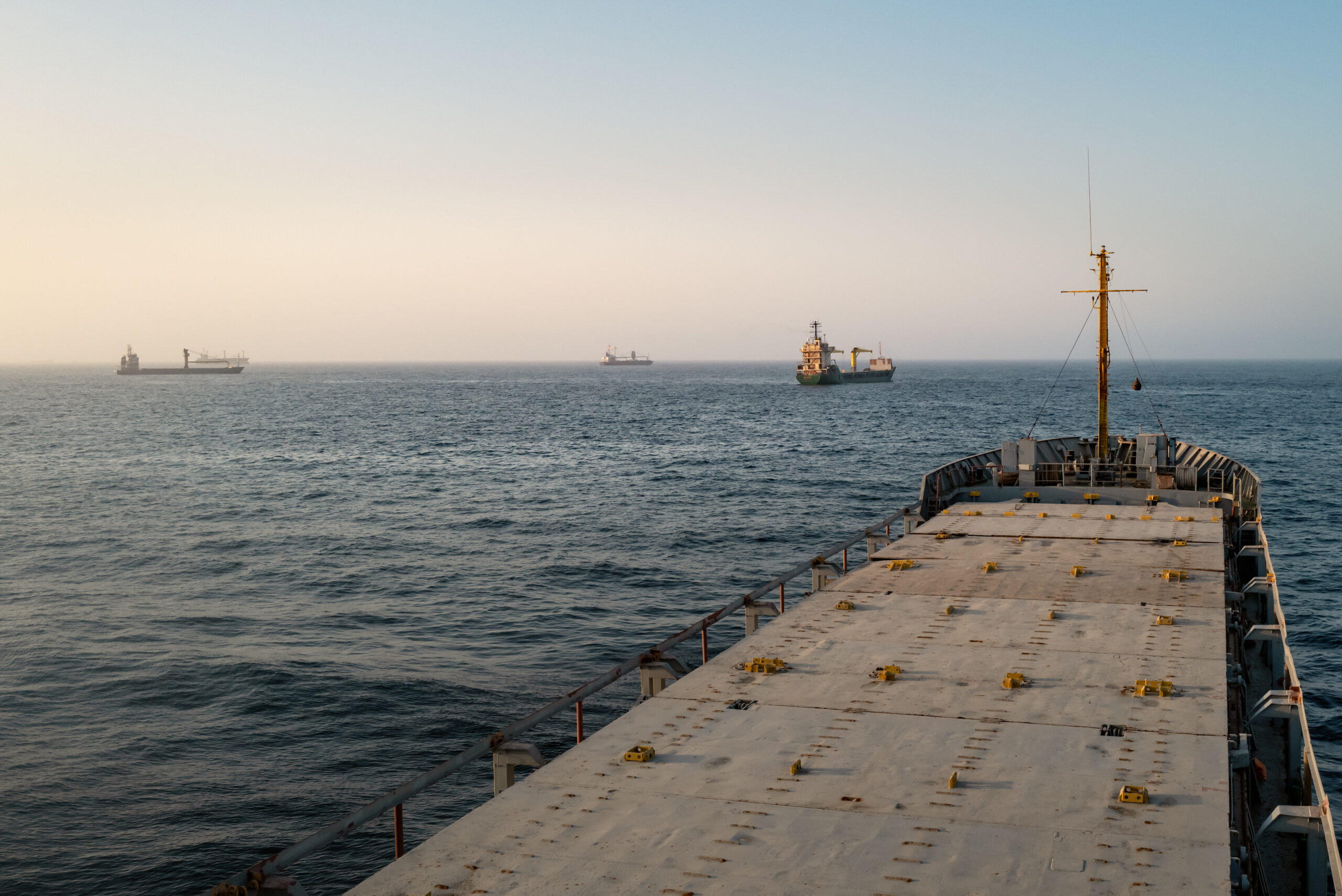
Iran's effective closure of the Strait of Hormuz, through which a fifth of the world's crude oil normally passes, has kept supplies constrained and driven the increase. Oil prices reached $112 a barrel in early April after the closure triggered the largest supply disruption in the history of oil markets, the International Energy Agency said.
U.S. And Iran appeared to move closer to an initial agreement to end the war. , oil prices represented about 51 percent of the price of a gallon of gasoline in 2025, according to the Energy Information Administration. Gasoline prices fell daily for almost two weeks in mid-April amid signs the conflict could be winding down.
After the announcement of the initial ceasefire, crude prices came down, gasoline spot prices followed, and retailers lowered prices, Rob Smith, director of global fuel retail at S&P Global Energy, said. Prices reversed course and began increasing again as hostilities over the strait kept oil supplies constrained.
“There’s a fundamental shortfall that will exist globally or fundamental struggle to meet that demand that will drive up price,” Smith said.
“No matter what a government says or what any market person thinks, there is a true kind of upward pressure that’s being exerted on prices every day the Strait of Hormuz is constrained. Federal and state taxes contributed about 17 percent of the price of gasoline, refining costs and profits contributed 14 percent, and distribution and marketing contributed 17 percent, the EIA said.