U.S. and Gulf States Maintain Strategic Partnership After Iran Conflict
An article in Foreign Affairs argues that the United States and Gulf countries continue to rely on each other for economic and security reasons following the recent war with Iran. The piece notes that Iranian attacks on Gulf states and the blocking of the Strait of Hormuz have disrupted regional economies.
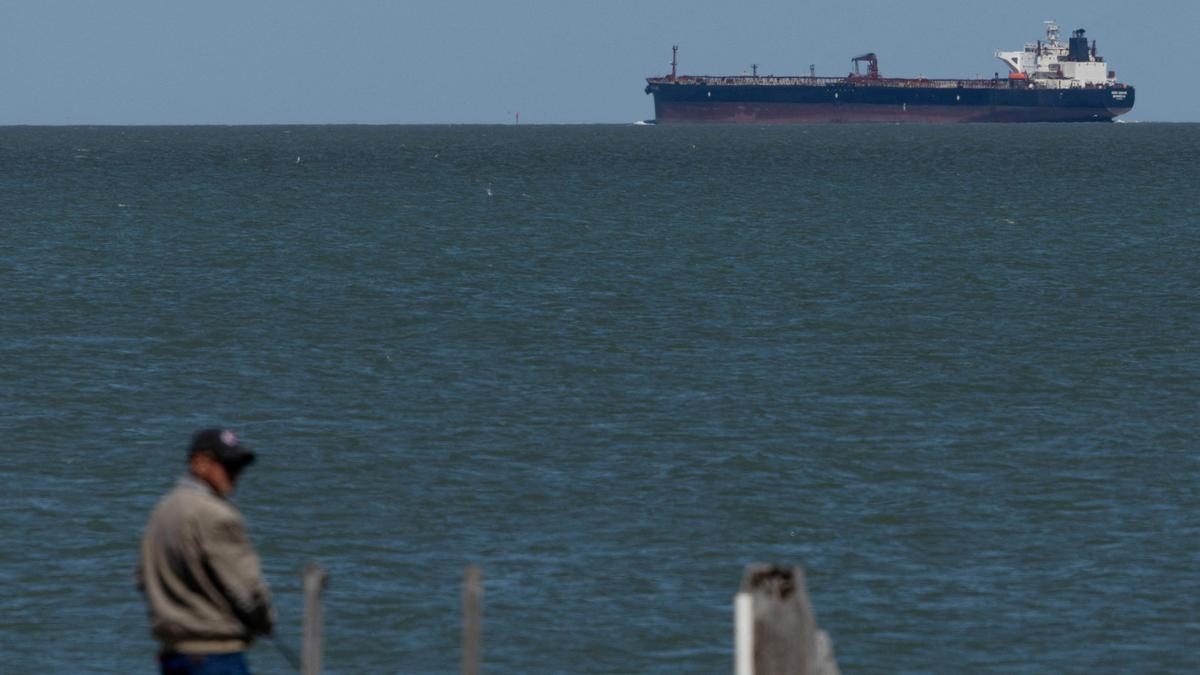 thehindu.com
The United States and Gulf countries continue to depend on their economic and strategic partnership after the recent conflict with Iran, according to an article published in Foreign Affairs on May 8, 2026. Last May, President Donald Trump visited Saudi Arabia, Qatar and the United Arab Emirates.
U.S. and Gulf companies. The situation changed after the United States and Israel began military action against Iran on February 28. Bahrain, Kuwait, Oman, Qatar, Saudi Arabia and the United Arab Emirates faced Iranian missiles and drones targeting military bases, airports, oil refineries and data centers.
A cease-fire took effect on April 8 that stopped most of the fighting. Iran has since blocked the Strait of Hormuz, halting shipping of Gulf oil, gas and other commodities. Gulf leaders have expressed concern about a regional order in which Iran can disrupt their economies' connections to the world.
Some strategists in Gulf states have argued for reducing ties with the United States, noting that American security commitments did not prevent Iranian attacks and drew the region into the conflict.
Gulf countries have spent the past decade diversifying their economies away from fossil fuels and pursuing social reforms. These efforts require regional stability that Gulf states have historically sought from their partnership with the United States.
The article states that alternatives such as separate peace agreements with Iran, collective defense among Gulf nations or seeking new external partners are unlikely to provide the needed stability. It notes that ties between the United States and Gulf states run deep and that the Gulf lacks comparable alternatives.
The authors report that Gulf states' nightmare scenario is an outcome in which Iran is weakened but not defeated, the Strait of Hormuz remains blocked and the Gulf stays vulnerable to retaliation.
Although deterrence failed to prevent Iranian strikes, Gulf defenses largely intercepted the missiles and limited casualties. " Gulf states were not supportive of being drawn into the war, which the article says Washington launched against their advice.
U.S. reliability. The piece concludes that both the United States and the Gulf need the partnership to manage a competitive and unpredictable world. It suggests that securing freedom of navigation in the Strait of Hormuz could allow Washington to strengthen its relationships in the region and participate in postwar economic recovery.
>"In fact, both sides need the economic and strategic partnership the other offers to help them navigate a competitive, unpredictable world.
Key Facts
Story Timeline
4 events- May 2025
President Trump visited Saudi Arabia, Qatar and UAE highlighting investment deals.
1 source@ForeignAffairs - February 28, 2026
United States and Israel began military action against Iran.
1 source@ForeignAffairs - April 8, 2026
Cease-fire took effect stopping most fighting between parties.
1 source@ForeignAffairs - May 8, 2026
Foreign Affairs published article by Daniel Benaim and Elisa Ewers on U.S.-Gulf ties.
1 source@ForeignAffairs
Potential Impact
- 01
Gulf states face continued economic uncertainty from blocked Strait of Hormuz shipping.
- 02
International investor confidence in Gulf as business destination has been damaged.
- 03
U.S. has opportunity to strengthen Gulf partnerships if it secures freedom of navigation.
- 04
Gulf countries may pursue limited collective security measures among themselves.
Transparency Panel
Related Stories
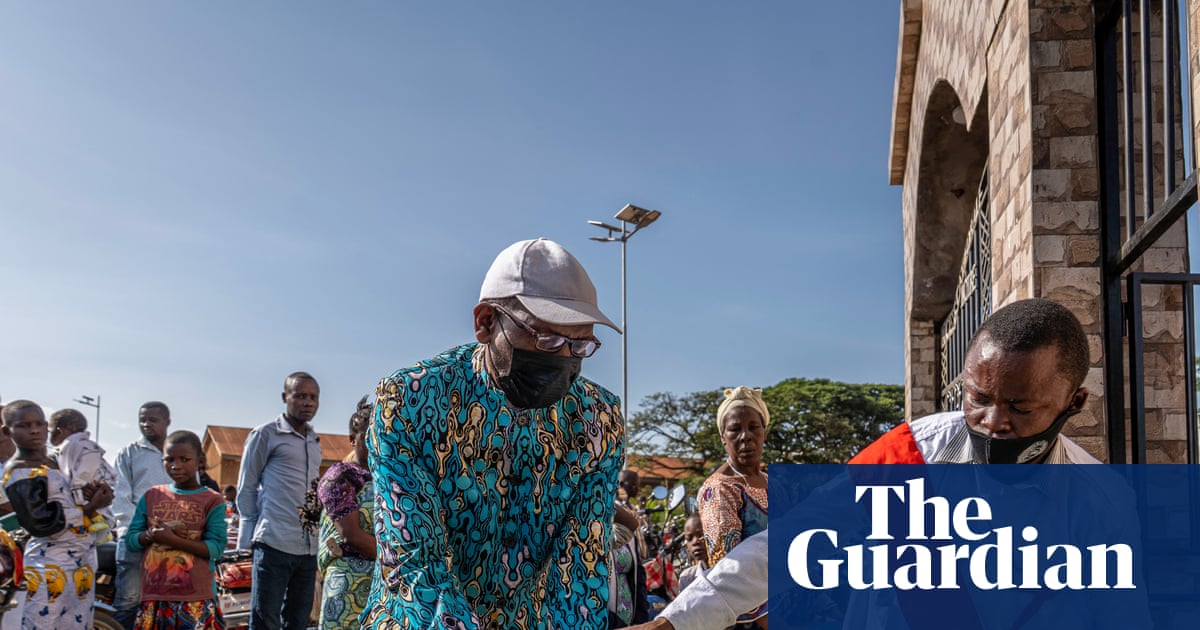 The Guardian
WHO Chief Visits DRC as Ebola Death Rate Reaches 30-50%
World Health Organization director-general Tedros Adhanom Ghebreyesus arrived in the Democratic Republic of the Congo to support containment of a new Ebola outbreak. The agency revised the death rate to 30-50% based on confirmed cases and recorded 10 confirmed and 223 suspected d…
 westernjournal.com
Greek National Charged in UK With Aiding Iran-Linked Intelligence Service
A 46-year-old Greek man living in Germany was charged under the UK National Security Act with assisting an intelligence service believed to be Iran by targeting a journalist at Iran International.
 physicianonfire.com
Bilt Rewards reports $1 billion revenue target for 2026
Bilt Rewards CEO Ankur Jain said the company's flagship credit card accounts for less than 11 percent of revenue. The firm now processes more than $100 billion in annual housing spend across one in four U.S. apartment buildings.