politics
U.S. Indicts Former Cuban Leader Raúl Castro Over 1996 Shootdown
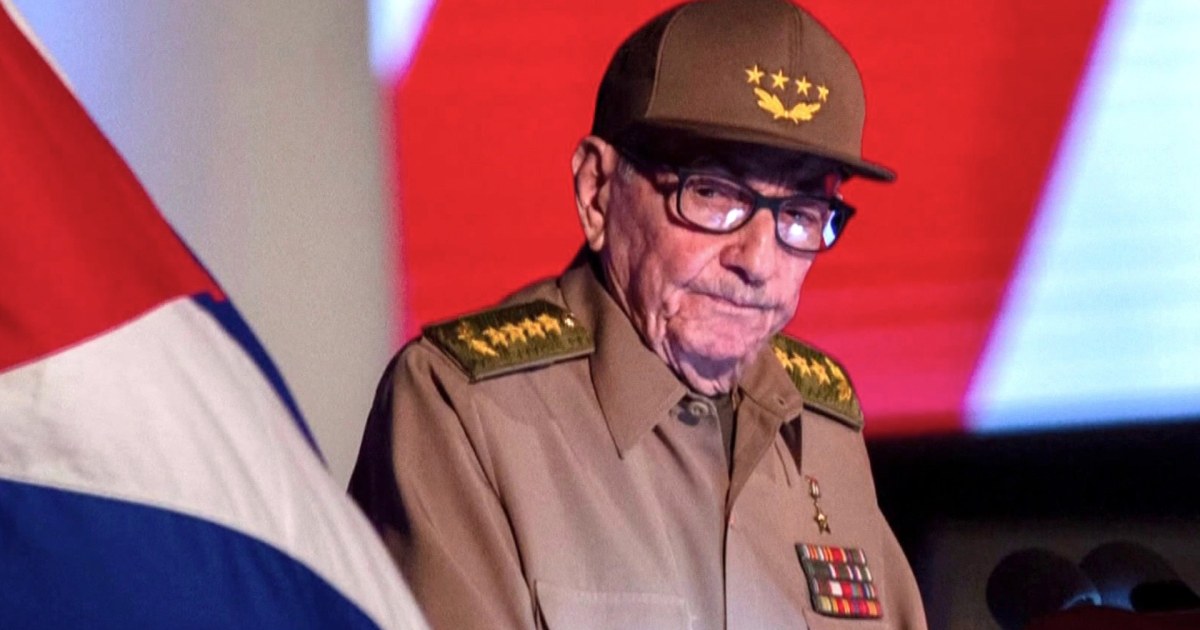
Federal prosecutors announced a grand jury indictment against former Cuban President Raúl Castro for his alleged role in the 1996 downing of two civilian planes. The move comes amid months of U.S. pressure on Cuba's government, including sanctions and diplomatic talks.
May 21, 2:08 PM·2m read2 sources AF
AF
 nbcnews.com
Audio version
Tap play to generate a narrated version.
Federal prosecutors announced a grand jury indictment against former Cuban President Raúl Castro on May 20 in connection with the 1996 shootdown of two planes operated by the Miami-based exile group Brothers to the Rescue. Castro was defense minister at the time of the incident. The indictment marks the latest step in a months-long pressure campaign against Cuba's socialist-controlled government.
Background on the Indictment The Justice Department had been preparing to seek the indictment, three people familiar with the matter told the AP. One of those people said the potential indictment was connected to Castro's alleged role in the 1996 shootdown.
All three people spoke on the condition of anonymity because they were not authorized to discuss an ongoing investigation. The Cuban government did not respond to a request for comment on the potential indictment, which was reported earlier by CBS.
The State Department imposed a new layer of sanctions on several Cuban government agencies, including the Interior Ministry and National Police and Intelligence Directorate, on May 18. U.S. officials said the United States was not looking at imminent military action against Havana despite repeated threats that Cuba is next.
Officials involved in preliminary discussions with Cuban authorities also told the AP that they are not optimistic the communist government will accept an offer for tens of millions of dollars in humanitarian aid, two years of free Starlink internet access for all Cubans, agricultural assistance and infrastructure support.
Rubio warned Cuba on Thursday that the United States was laser-focused on changing the communist system, after the island was stunned by the U.S. indictment of its former president Raúl Castro.
“The moment is extremely challenging and calls upon us once again, as on April 16, 1961, to be ready to confront serious threats, including military aggression.”