U.S. Intercepts Iranian Shadow Fleet Vessel Amid Sanctions on Oil Buyers
U.S. forces intercepted the M/V Sevan, a sanctioned vessel in Iran's shadow fleet, in the Arabian Sea as part of a blockade enforcing sanctions on Iranian ports. The Treasury Department also sanctioned a Chinese refinery and about 40 shipping entities for facilitating Iranian oil trade. These actions aim to pressure Iran economically ahead of peace talks.
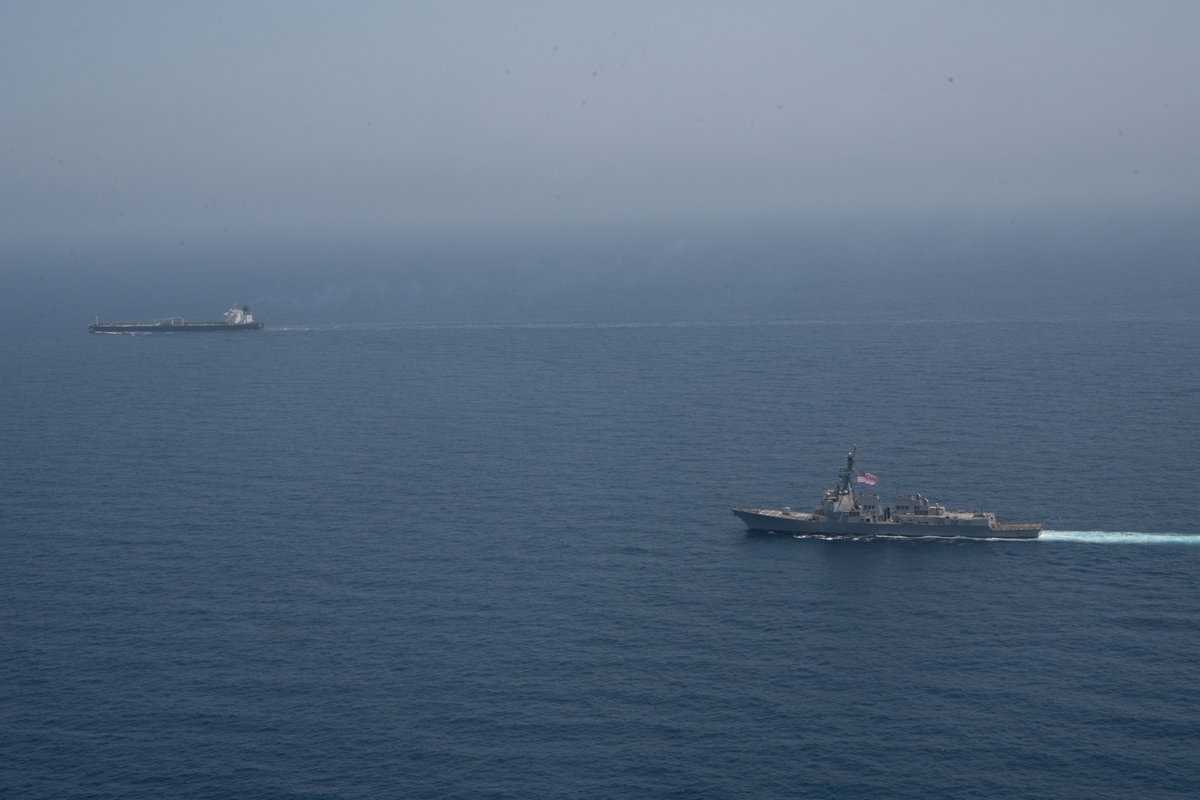
NewsweekU.S. Central Command announced Saturday that its forces intercepted the M/V Sevan, a vessel in Iran's shadow fleet, in the Arabian Sea. The interception involved a U.S. Navy helicopter from the guided-missile destroyer USS Pinckney, and the vessel is now turning back to Iran under escort.
This marks the latest enforcement of a blockade that has redirected 37 vessels since its start. The action is part of Operation Economic Fury, the Trump administration's campaign to apply economic pressure on Iran to secure a peace deal. The Treasury Department sanctioned the vessel among 19 others identified in the shadow fleet.
U.S. forces are enforcing sanctions by blocking ships from entering or departing Iranian ports.
and Shipping Network
On Friday, the Treasury Department imposed sanctions on an independent refinery in China for purchasing billions of dollars worth of Iranian oil. The department's Office of Foreign Assets Control also targeted about 40 shipping companies and vessels linked to Iran's shadow fleet.
These measures aim to disrupt Iran's oil export network, which relies on covert practices like turning off transponders and changing vessel names. China opposes the unilateral sanctions, stating they are illegal and harm normal trade. A spokesperson for the Chinese embassy in Washington urged the U.S. to stop politicizing trade and using sanctions as a weapon against Chinese companies.
China buys more than 80% of Iran's shipped oil, according to 2025 data from analytics firm Kpler.
“We call on the U.S. Independent refiners in China, accounting for a quarter of the country's refinery capacity, have faced narrow margins amid tepid domestic demand. Experts note these refiners have limited exposure to the U.S. financial system, reducing the sanctions' immediate impact. Treasury Secretary Scott Bessent described the measures as imposing a financial stranglehold on Iran. He stated the department will continue targeting vessels, intermediaries, and buyers in Iran's oil network.”
“Treasury will continue to constrict the network of vessels, intermediaries, and buyers Iran relies on to move its oil to global markets.”
The U.S. recently allowed a temporary waiver on Iranian oil sanctions to expire, leading to premiums on Iranian oil over Brent prices. Bessent mentioned the Treasury has warned two Chinese banks about potential secondary sanctions if they facilitate Iranian transactions. These steps occur as Washington and Tehran prepare for another round of peace talks over the weekend.
shadow fleet consists of aging oil tankers and front companies used to evade sanctions. Vessels often operate with falsified locations or rapid flag changes to deliver oil, primarily to Asian buyers. The fleet sustains Iran's oil exports despite enforcement in the Persian Gulf and beyond.
Operation Economic Fury combines sanctions with maritime interdictions and financial targeting to choke Iran's revenue without direct military force. The campaign has issued hundreds of Iran-related sanctions since early 2025. Sources agree on the interception and sanctions announcements but differ slightly on details, with one noting 19 shadow fleet vessels targeted and another specifying about 40 shipping entities.
Key Facts
Story Timeline
6 events- Apr 25, 7:02 PM ET
1 new source added: Washington Examiner
1 sourceWashington Examiner - Today — Saturday
U.S. Central Command intercepted the M/V Sevan in the Arabian Sea and escorted it back to Iran.
2 sourcesNewsweek - Yesterday — Friday
Treasury Department imposed sanctions on a Chinese refinery and about 40 shipping companies and vessels linked to Iran's shadow fleet.
2 sourcesCNBC · Newsweek - Last week
U.S. allowed temporary waiver on Iranian oil sanctions to expire, leading to premiums on Iranian oil.
1 sourceCNBC - April 15, 2026
Treasury Secretary Scott Bessent told reporters about warnings to two Chinese banks regarding potential secondary sanctions.
1 sourceCNBC - Last year
U.S. imposed sanctions on several Chinese refiners, creating hurdles for their operations.
1 sourceCNBC
Potential Impact
- 01
Iran's oil exports to China will decrease due to deterred buyers.
- 02
U.S. may impose secondary sanctions on Chinese banks facilitating trades.
- 03
Peace talks between U.S. and Iran will face added tension from economic pressure.
- 04
Chinese refiners will pay higher premiums for alternative oil sources.
- 05
Iran's shadow fleet operations will adapt with new evasion tactics.
- 06
Global shipping lanes will see increased U.S. naval enforcement actions.
Transparency Panel
Related Stories
rte.ieOil Prices Fall More Than 12% on Reports of US-Iran Deal
Reports indicate the United States and Iran are close to a 14-point memorandum of understanding to conclude the ongoing conflict. Oil prices fell sharply after the news emerged before partially recovering following an Iranian announcement. President Donald J. Trump stated that co…
Ex-JPMorgan Banker Sues Executive Director for Sexual Harassment
Chirayu Rana, 35, sued Lorna Hajdini, 37, in New York County Supreme Court in late April 2026 under the pseudonym John Doe. He accused her of drugging him and forcing repeated sexual encounters. JPMorgan and Manhattan prosecutors found no evidence to support the claims after sepa…
manilatimes.netIsrael Strikes Beirut Suburbs, Kills Senior Hezbollah Commander
Israeli forces struck Beirut's southern suburbs for the second time on Wednesday, causing a loud explosion and extensive damage. Israeli media reported the military assesses that Malek Balout, commander of Hezbollah's elite Radwan Force, was killed in the operation. No confirmati…