Substrate
world

U.S. and Iran Fail to Reach War-Ending Agreement in Pakistan Talks

The United States and Iran did not reach an agreement during talks in Pakistan over the weekend to end their ongoing conflict. The U.S. seeks restrictions on Iran's nuclear program, missile arsenal, and proxy support, while Iran demands sanctions relief and security assurances. The dispute centers on control of the Strait of Hormuz, which both sides have blockaded.

FO
1 source·Apr 26, 7:20 PM(32 days ago)·2m read
U.S. and Iran Fail to Reach War-Ending Agreement in Pakistan TalksSubstrate placeholder — needs review
Audio version
Tap play to generate a narrated version.
Developing·Limited corroboration so far. This page will refresh as more sources emerge.

The United States and Iran failed to reach an agreement during talks in Pakistan over the weekend to end the war that began on February 28, 2026. The U.S. position includes demands for Iran to open the Strait of Hormuz, accept restrictions on its nuclear program, limit its missile arsenal, and reduce support for groups such as Hezbollah.

Iran's demands include the ability to charge fees for strait transit, full sanctions relief with release of frozen assets, a cease-fire in Lebanon, and assurances against future attacks by the U.S. and Israel. Iran has closed the Strait of Hormuz, affecting global commerce.

Following the war's start, Iran attacked at least two ships in the strait, leading maritime insurers to withdraw coverage and stranding vessels in the Persian Gulf. Dozens of ships have paid fees to Iran for passage.

On April 13, 2026, President Trump initiated a U.S. blockade of the strait, aiming to prevent ships from engaging with Iranian ports. This move seeks to limit Iran's revenue from the strait. The source reported that the success of this blockade depends on which side can endure economic pressure longer.

The war has caused economic impacts globally and damaged Iran's infrastructure. Thousands of Iranians have been killed, and Iran's relationships with Gulf neighbors have been affected. The U.S. has supported Israel's actions against groups like Hamas and Hezbollah since the October 7, 2023, attack by Hamas.

Iran's security has relied on its missile program, nuclear capabilities, and support for proxies. In 2024, Israel targeted Hezbollah, and in June 2025, the U.S. and Israel struck Iran's nuclear infrastructure. The recent conflict has highlighted Iran's control over the Strait of Hormuz as a form of deterrence.

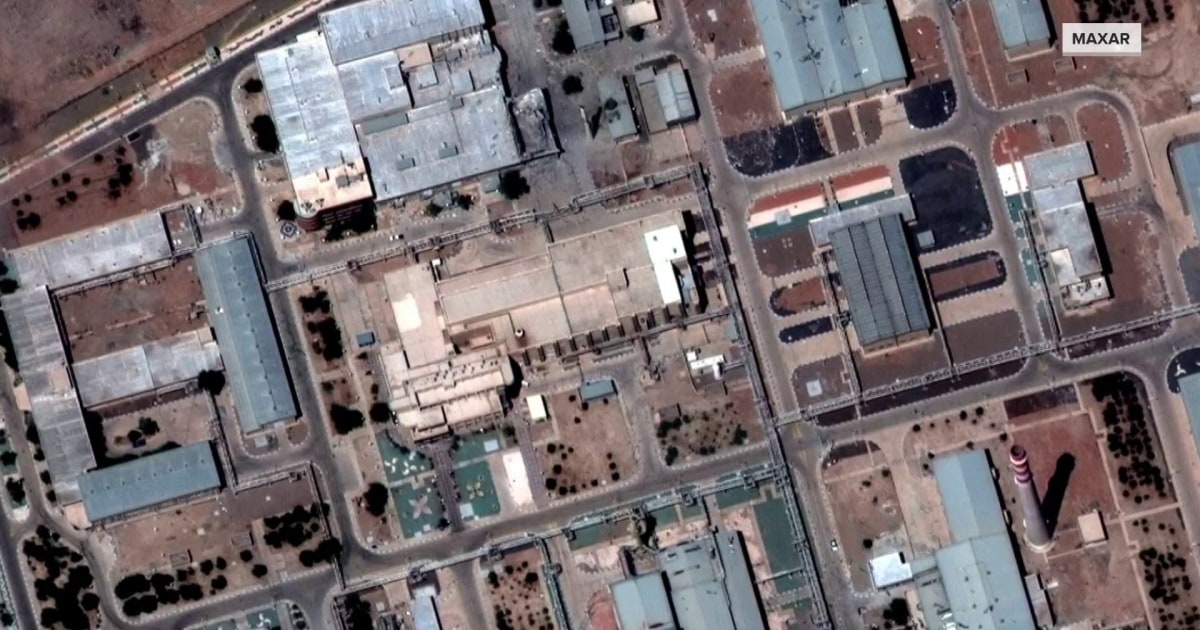
The source indicated that Iran's regime faces internal transitions. Figures such as Supreme Leader Mojtaba Khamenei, Islamic Revolutionary Guard Corps Commander Ahmed Vahidi, and Speaker of the Parliament Mohammad Bagher Ghalibaf may influence future directions.

The regime has maintained cohesion despite losses, including the deaths of former Supreme Leader Ali Khamenei and security chief Ali Larijani.

The source stated that both sides have incentives to end the conflict. The U.S. has caused global economic disruption, while Iran has suffered military and civilian losses. Future talks will depend on addressing Iran's domestic changes and developing a long-term strategy.

Key Facts

Failed negotiations
U.S. and Iran failed to reach agreement in Pakistan over weekend before April 14, 2026.
U.S. blockade
President Trump initiated blockade of Strait of Hormuz on April 13, 2026.
Iran's leverage
Iran effectively closed Strait of Hormuz, with dozens of ships paying exorbitant tolls.
Prior attacks
Israel and U.S. attacked Iran on February 28, 2026, following decimation of proxies like Hamas and Hezbollah.
Internal crises
Iranian forces killed 7,000 protesters in January 2026; President Pezeshkian admitted government incapability.

Story Timeline

6 events
  1. 2026-04-13

    President Trump began a blockade to prevent ships engaging with Iranian ports from entering or leaving the Strait of Hormuz.

    1 sourceForeignAffairs
  2. 2026-02-28

    Israel and the United States attacked Iran.

    1 sourceForeignAffairs
  3. 2026-01

    Iran’s regime security forces killed at least 7,000 Iranian protesters.

    1 sourceForeignAffairs
  4. 2025-06

    Israel and the United States buried much of Iran’s nuclear infrastructure.

    1 sourceForeignAffairs
  5. 2024

    Israel decimated Hezbollah.

    1 sourceForeignAffairs
  6. 2023-10-07

    Hamas conducted an attack.

    1 sourceForeignAffairs

Potential Impact

  1. 01

    Disruption to global maritime traffic and energy prices due to Strait of Hormuz closure.

  2. 02

    Strained U.S.-Iran relations affecting negotiations on nuclear and missile programs.

  3. 03

    Increased economic pressure on Iran from U.S. blockade, potentially prolonging internal crises.

  4. 04

    Potential revenue for Iran from strait tolls amid sanctions.

Transparency Panel

Sources cross-referenced1
Framing risk0/100 (low)
Confidence score75%
Synthesized bySubstrate AI
Word count392 words
PublishedApr 26, 2026, 7:20 PM
Bias signals removed4 across 4 outlets
Signal Breakdown
Loaded 2prescriptive 1Speculative 1

Related Stories

WHO Chief Visits DRC as Ebola Death Rate Reaches 30-50%The Guardian
world1 hr ago

WHO Chief Visits DRC as Ebola Death Rate Reaches 30-50%

World Health Organization director-general Tedros Adhanom Ghebreyesus arrived in the Democratic Republic of the Congo to support containment of a new Ebola outbreak. The agency revised the death rate to 30-50% based on confirmed cases and recorded 10 confirmed and 223 suspected d…

SK
The Guardian
2 sources
Greek National Charged in UK With Aiding Iran-Linked Intelligence Servicewesternjournal.com
world1 hr ago

Greek National Charged in UK With Aiding Iran-Linked Intelligence Service

A 46-year-old Greek man living in Germany was charged under the UK National Security Act with assisting an intelligence service believed to be Iran by targeting a journalist at Iran International.

Reuters
BBC News
2 sources
Bilt Rewards reports $1 billion revenue target for 2026physicianonfire.com
world1 hr agoDeveloping

Bilt Rewards reports $1 billion revenue target for 2026

Bilt Rewards CEO Ankur Jain said the company's flagship credit card accounts for less than 11 percent of revenue. The firm now processes more than $100 billion in annual housing spend across one in four U.S. apartment buildings.

FO
1 source