U.S. and Iran Reach 60-Day Peace Framework to Reopen Strait of Hormuz
The United States and Iran agreed to a 60-day peace framework over the weekend. Iran will reopen the Strait of Hormuz in exchange for the lifting of a U.S. naval blockade, sanctions waivers on Iranian oil, and the release of some frozen assets.
 thehindu.com
The United States and Iran announced a 60-day peace framework over the weekend that calls for Iran to reopen the Strait of Hormuz. In return, the U.S. will lift its naval blockade, waive sanctions on Iranian oil, and release part of Iran's frozen assets.
Iran will be allowed to dilute enriched uranium on site during the 60-day period while further negotiations continue on its nuclear program. The framework also requires an immediate and permanent end to military operations on all fronts, including Lebanon.
Foreign Ministry said the end to military operations took effect Sunday night and that talks depend on the release of assets and the lifting of sanctions. Iran's Deputy Foreign Minister stated that the text of the memorandum of understanding has been finalized and that an official signing will occur on Friday in Switzerland.
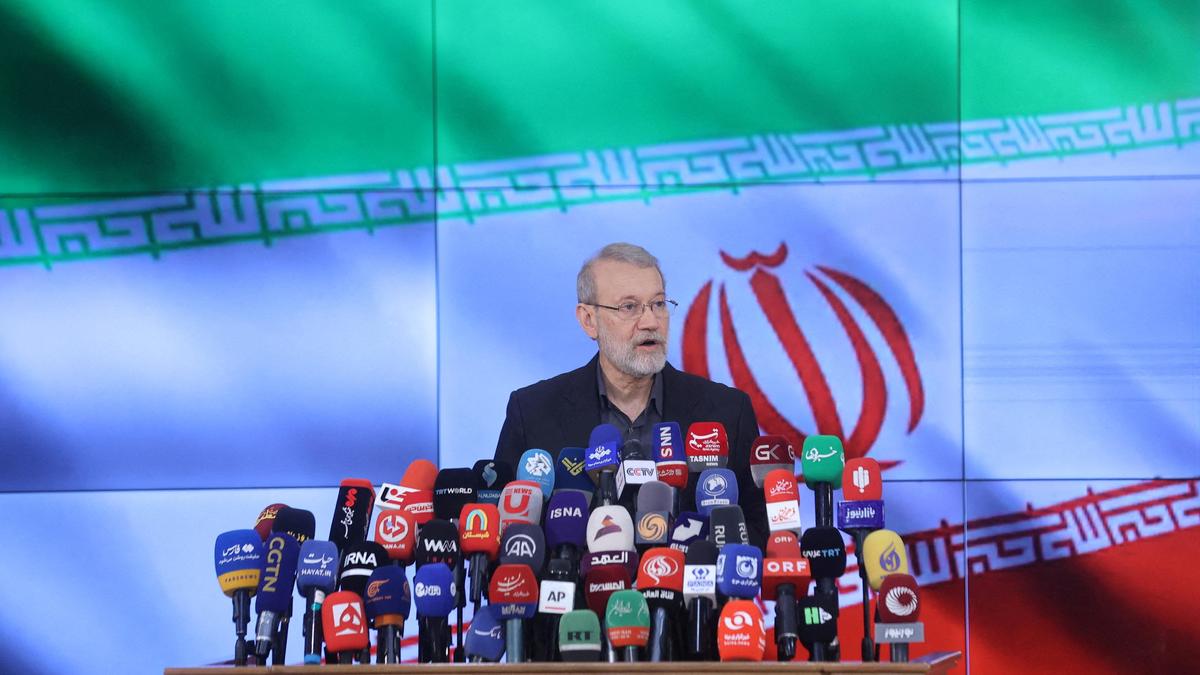
A U.S. official denied reports of an unconditional $12 billion fund release, saying any release of Iranian funds is tied to a pay-for-performance arrangement. Iran's chief negotiator and its Parliament Speaker, along with its Foreign Minister, will travel to Geneva to sign the agreement.
Iranian media reported continued violations of the ceasefire, stating that areas in southern Lebanon were targeted by artillery shelling. The 14-point memorandum of understanding includes U.S. commitments to lift sanctions, withdraw forces from around Iran, reopen the Strait of Hormuz, and present a plan to rebuild Iran's economy.
The final 60-day negotiations will focus on nuclear and economic issues and will not address Iran's missile program. The text of the memorandum still requires review by relevant Iranian institutions.