world
U.S. and Iran sign preliminary accord on Strait of Hormuz passage
Qatari officials described the memorandum as a turning point for regional stability. Iranian negotiators said talks addressed frozen assets and oil sanctions relief. Shipping traffic had begun to recover before Iran announced a renewed closure linked to events in Lebanon.
AJ
 deccanchronicle.com
Audio version
Tap play to generate a narrated version.
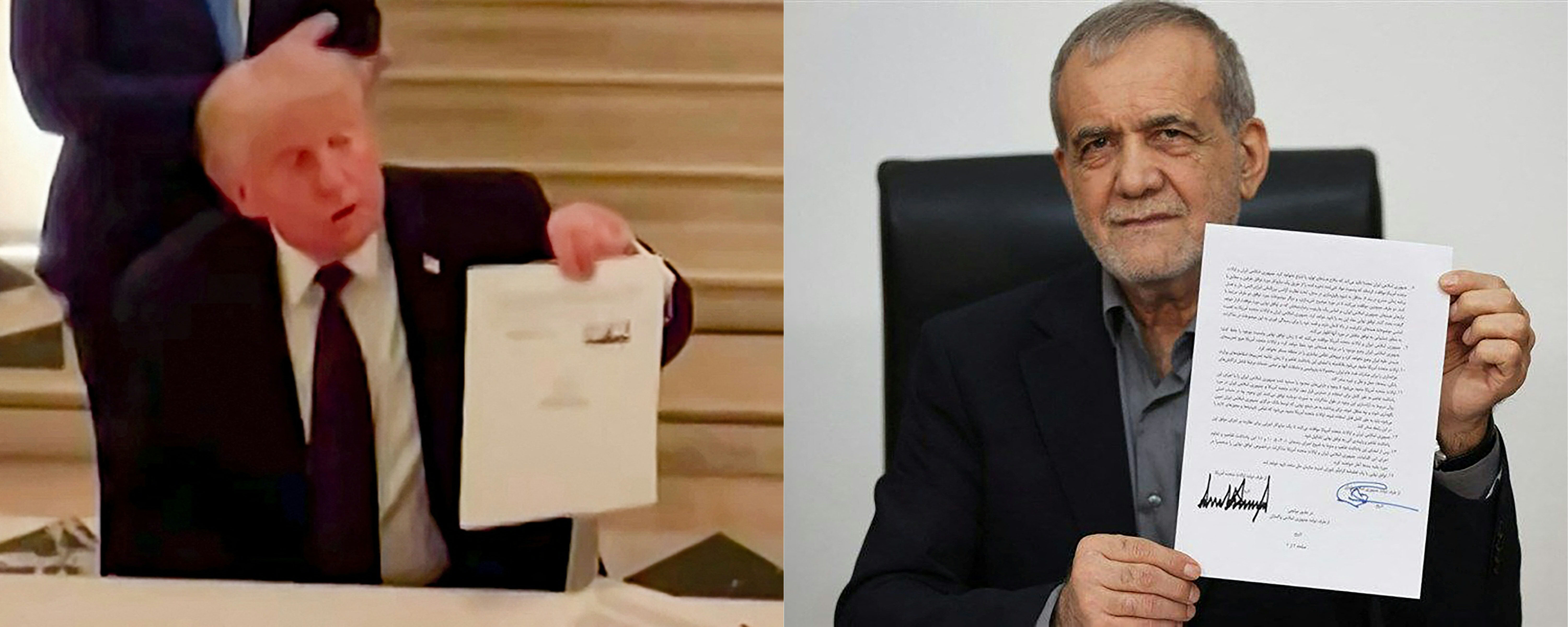
A memorandum of understanding between the United States and Iran was signed earlier this week to address passage through the Strait of Hormuz. Qatar’s prime minister said the agreement marked a potential turning point for regional stability and that technical talks would be needed to implement its terms.
The prime minister added that the past period had been among the most difficult the region had witnessed and that the agreement could allow states to focus on development and cooperation. Iran’s negotiators stated that discussions covered the release of frozen assets and a temporary exemption from sanctions on oil and its derivatives.
Regional reactions Germany’s defence minister said the United States bore responsibility for the earlier closure of the strait and that Europe had an interest in restoring safe passage. Iranian officials described the current phase as more complicated and said questions remained about compliance on the ground.
A U.S. senator said that if diplomatic efforts failed, the United States would take control of the strait and impose fees on shipping. Iran’s parliament speaker dismissed U.S. threats and said Iranian armed forces were prepared to respond. An adviser to Iran’s supreme leader said Tehran would seek to amend rules governing the strait through legal and international mechanisms.
Transparency
4 sources · across multiple outlets
CorroborationLimited · 4 sources


