world
U.S. and Iran Sign Preliminary Agreement to Halt Hostilities and Open 60-Day Talks
Washington and Tehran signed a preliminary agreement in Switzerland this week to end hostilities and launched a 60-day diplomatic process. The talks will address sanctions relief, Iran’s nuclear programme and administration of the Strait of Hormuz. U.S. Secretary of State Marco Rubio began a Gulf tour in Abu Dhabi on June 23.
 winnipegfreepress.com
Audio version
Tap play to generate a narrated version.
The United States and Iran signed a preliminary agreement in Switzerland this week to halt hostilities and launched a 60-day diplomatic process covering sanctions relief, Iran’s nuclear programme and the future administration of the Strait of Hormuz. Pakistan and Qatar helped mediate the initial talks. Negotiations are expected to resume early next week, likely on Tuesday.
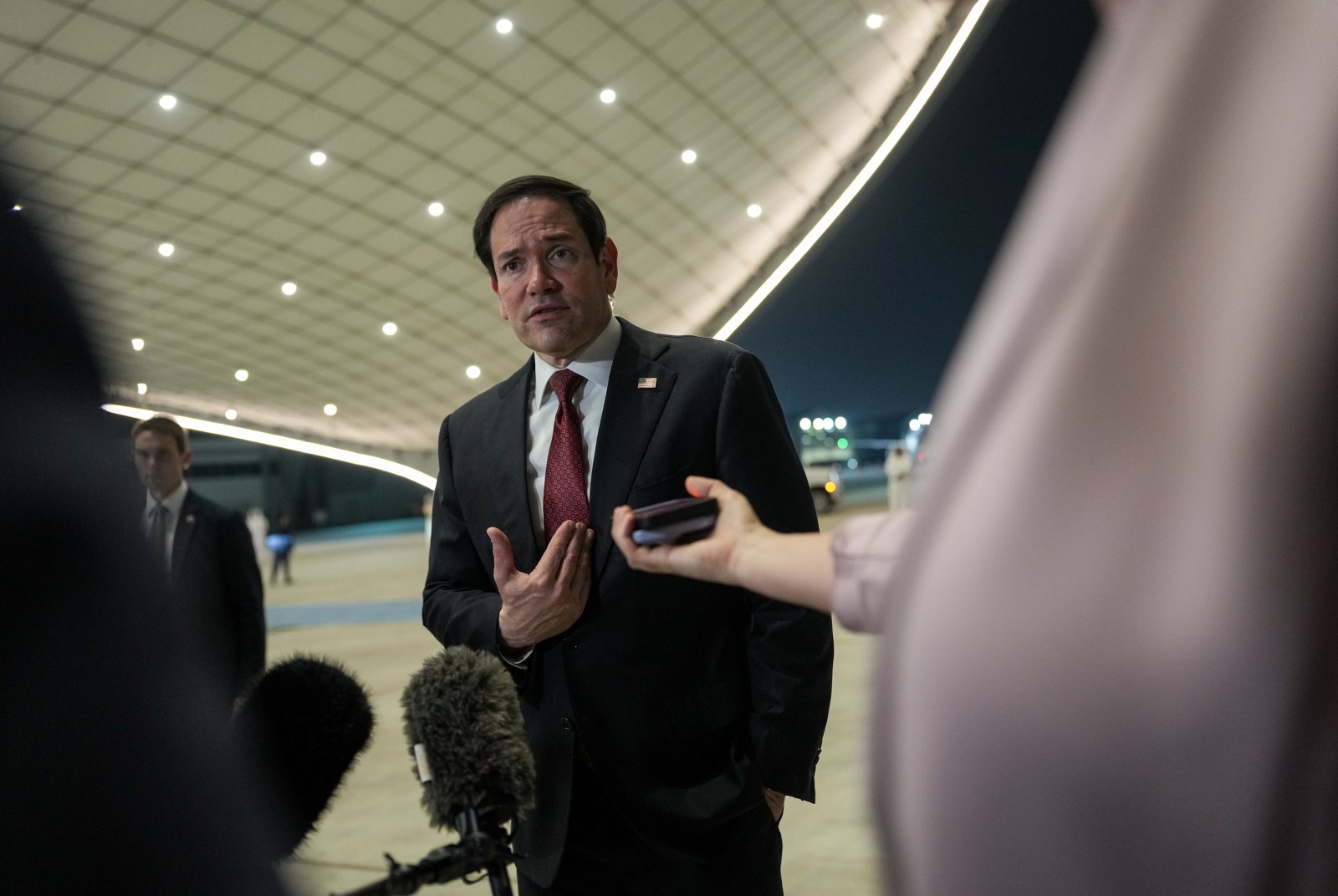
U.S. Secretary of State Marco Rubio arrived at Al Bateen Executive Airport in Abu Dhabi on June 23, the first stop of a three-nation Gulf tour that also includes Kuwait and Bahrain. He stated that the Strait of Hormuz is an international waterway where no country is allowed to charge tolls or fees and said he believed all countries in the region would agree.
Iran announced it would waive planned transit fees through the strait for 60 days while the talks continue. Iran’s Persian Gulf Strait Authority said the fees would be suspended during the negotiation period. Iran and Oman issued a joint statement that they would study the future administration of the route and possible charges for services while maintaining their sovereignty claims over bordering territorial waters.
Iran effectively closed the strait during the four-month US-Israel war. In peacetime, one-fifth of the world’s oil and natural gas supplies pass through the waterway, with prewar daily traffic of 120 to 140 ships including tankers carrying about 20 million barrels of oil. Both sides agreed on Monday to establish communication mechanisms aimed at keeping the strait open.
Oman is working with the United Nations’ International Maritime Organization on temporary arrangements for safe transit and launched an operation to evacuate more than 11,000 stranded sailors. The Joint Maritime Information Center warned ships to avoid central channels due to mines. Iran had ordered vessels to pass close to its coast when it first issued a map of the waterway.
Iran’s chief negotiator Mohammad Bagher Ghalibaf stated that Hormuz will never return to its prewar status. Kazem Gharibabadi stated that access for international inspectors to nuclear facilities damaged during the war would only be addressed as part of a final agreement with Washington.