politics
U.S. and Iranian forces exchange strikes in Strait of Hormuz
Renewed hostilities on July 8 followed a June memorandum of understanding between the two sides. Officials in several Gulf states issued air-raid warnings on July 9, and Iranian authorities reported casualties.
Jul 10, 5:31 AM·1m read4 sources

 +1
+1
Audio version
Tap play to generate a narrated version.
Developing·Limited corroboration so far. This page will refresh as more sources emerge.
U.S. and Iranian forces resumed strikes on July 8 after Washington accused Tehran of firing on three Qatari and Saudi vessels in the Strait of Hormuz. The action followed a memorandum of understanding signed June 17 that aimed to ensure safe passage through the waterway.
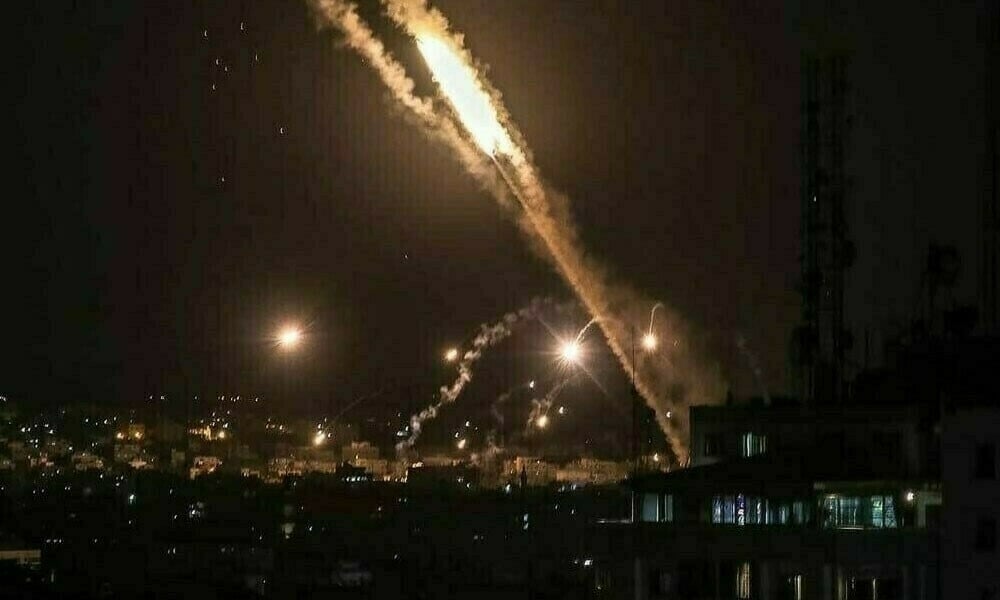
Sirens sounded across Jordan, Bahrain, Qatar, and Kuwait on July 9 in anticipation of Iranian strikes. None of the countries reported major damage. Iranian authorities stated that at least 14 people were killed and 78 wounded on their territory over two days of U.S. strikes, most of them members of the armed forces.
Background to the July 8 strikes The memorandum of understanding, signed at the Château de Versailles, includes an Article 5 provision stating that Iran will make arrangements using its best efforts for the safe passage of commercial vessels. Tehran interpreted the clause as recognition of its control over the strait, which carried 20 percent of global oil consumption before the conflict began in February.
The July 8 strikes occurred despite the earlier agreement and have raised questions about the timeline for resolving the crisis.
Transparency
How sources framed this
These outlets didn't split into competing frames — coverage was uniform.
CorroborationLimited · 4 sources