world
U.S. Military to Add AI Swarming Software to LUCAS Kamikaze Drones
Shield AI will integrate its Hivemind autonomy software into the Low-Cost Uncrewed Combat Attack System. The upgrade aims to enable coordinated drone swarms for future operations.
May 21, 3:02 PM·1m read2 sources
TH
 The War Zone
Audio version
Tap play to generate a narrated version.
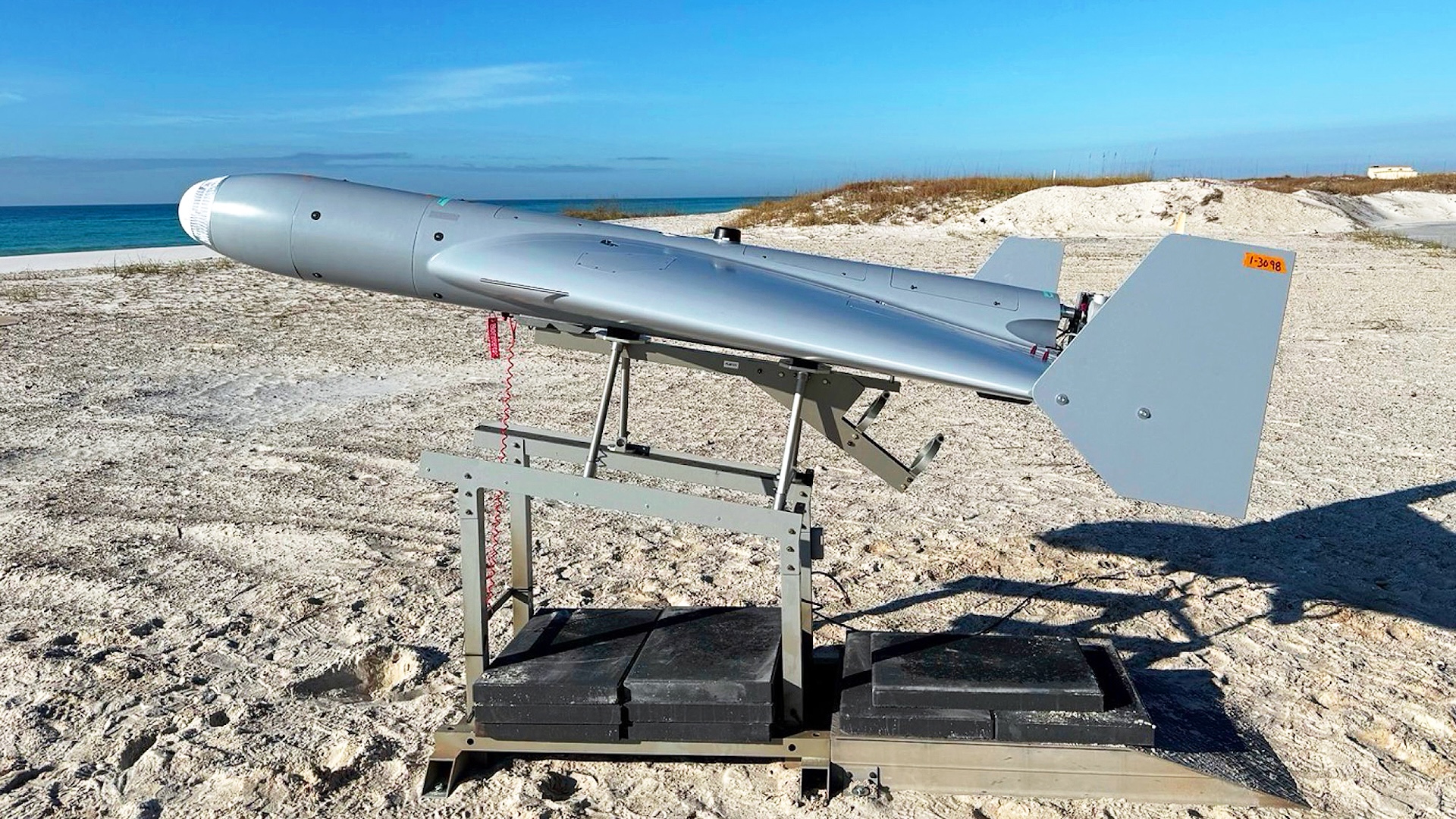
The U.S. military will equip its Low-Cost Uncrewed Combat Attack System, or LUCAS, with Hivemind autonomy software developed by Shield AI. The Office of the Under Secretary of War for Research and Engineering selected the company to add AI-enabled swarming and autonomous teaming capabilities to the drone program.
LUCAS is built by SpektreWorks and designed to deliver affordable mass through large numbers of low-cost drones. Each unit costs around $35,000, a fraction of the price of comparable missiles. The drone is based on the Iranian Shahed-136 design and saw its first combat use in February during Operation Epic Fury, the U.S. portion of a joint U.S.-Israeli attack on Iran.
U.S. Central Command boss Adm. Brad Cooper described the drones as indispensable for preserving magazine depth during the operation.
Hivemind will serve as an AI pilot, allowing groups of LUCAS drones to coordinate movements, adapt to battlefield conditions, and operate in GPS-denied or communications-degraded environments. Initial flight tests with the software are scheduled to begin in July, with an operational demonstration planned for this fall.
“LUCAS is about delivering affordable mass, but mass without coordination is limited in value. Hivemind is the AI pilot that makes that mass intelligent." — Brandon Tseng, president and co-founder of Shield AI Shield AI has already shipped hundreds of similar AI pilots to Ukraine for one-way attack drones, where the company reports improved kill probabilities and reduced costs per effect.”
Human operators will retain final authority over strike decisions, with the AI handling navigation, coordination, and mission execution. The approach follows current U.S. military policy requiring a human in or on the loop for lethal actions. Brandon Tseng noted that the technology draws from approaches used in self-driving cars, using onboard sensors and graphics processing units to perceive the environment and make real-time decisions.