politics
U.S. Military Operation in Caribbean Has Cost $647 Million
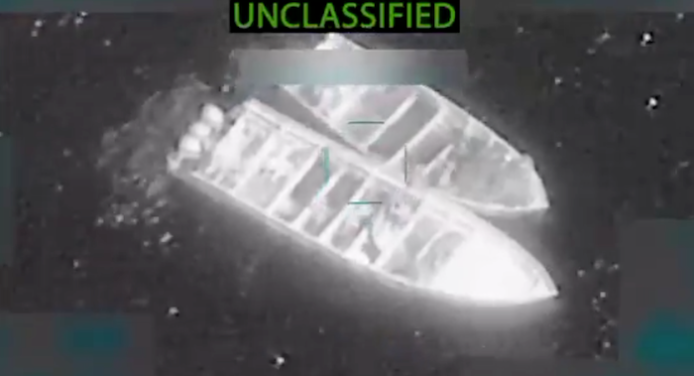
The mission to stop drug smuggling through lethal strikes on suspected vessels has spent $647 million through March 31. At least ten additional strikes have occurred since then.
May 21, 5:36 PM·1m read1 source
 Washington Examiner
Audio version
Tap play to generate a narrated version.
The U.S. military mission known as Operation Southern Spear has spent $647 million on efforts to stop drug smuggling in the Caribbean Sea through March 31, according to a Department of War Office of the Inspector General report released Thursday. The report covers costs from the start of the mission through the first quarter of 2026.
At least ten kinetic strikes have taken place since the March 31 cutoff, which would increase the total beyond the reported figure.
The operation uses lethal targeting of mariners accused of smuggling. Officials said the approach was chosen to create deterrence against cartels. The Coast Guard has historically handled maritime interdictions by boarding vessels and detaining suspects. Officials have not explained in publicly releasable terms how they decide between a lethal strike and a Coast Guard interdiction.
A separate inspector general evaluation announced this week will examine whether components followed the six-phase Joint Targeting Cycle. The review was outlined in a May 11 letter to the leader of U.S. Southern Command and the undersecretary for intelligence and security.
The Pentagon has stated the strikes are legal. The first strike occurred on Sept. 2, 2025, and drew scrutiny after a second strike was ordered on a disabled vessel. In later cases, Southern Command notified the Coast Guard of possible survivors. Two people survived a strike, were rescued, treated, and returned to Ecuador and Colombia.
The administration's national security strategy emphasizes stability in the Western Hemisphere and cooperation against transnational criminal organizations. The military has deployed forces to the Caribbean since last summer. On Wednesday, the Justice Department announced an indictment related to a 1996 aircraft incident.
The next day, Southern Command said the USS Nimitz and three escort warships entered the southern Caribbean Sea. Officials stated the warship movement was not intended to intimidate any country.