politics
U.S. Military Operations in Ukraine and Iran Highlight Rising Costs of Final Phase
Recent U.S. strikes on Iranian facilities and ongoing Russia-Ukraine fighting show how the final stage of military pressure now costs more than earlier phases. The article examines cost ratios for interceptors versus drones and the implications for future U.S. strategy.
May 19, 5:00 AM·1m read1 source
 Fox News
Audio version
Tap play to generate a narrated version.
U.S. military operations against Iran in 2025 and 2026 and the Russia-Ukraine war now in its fifth year illustrate a shift in the economics of modern conflict. Operation Midnight Hammer in June 2025 struck Iranian nuclear sites with fourteen GBU-57 bombs and two dozen Tomahawk missiles.
The operation ended within forty-eight hours. Operation Epic Fury followed eight months later with nearly 900 strikes in twelve hours. American forces reported 13 service members killed and 381 wounded before an April 8 ceasefire.
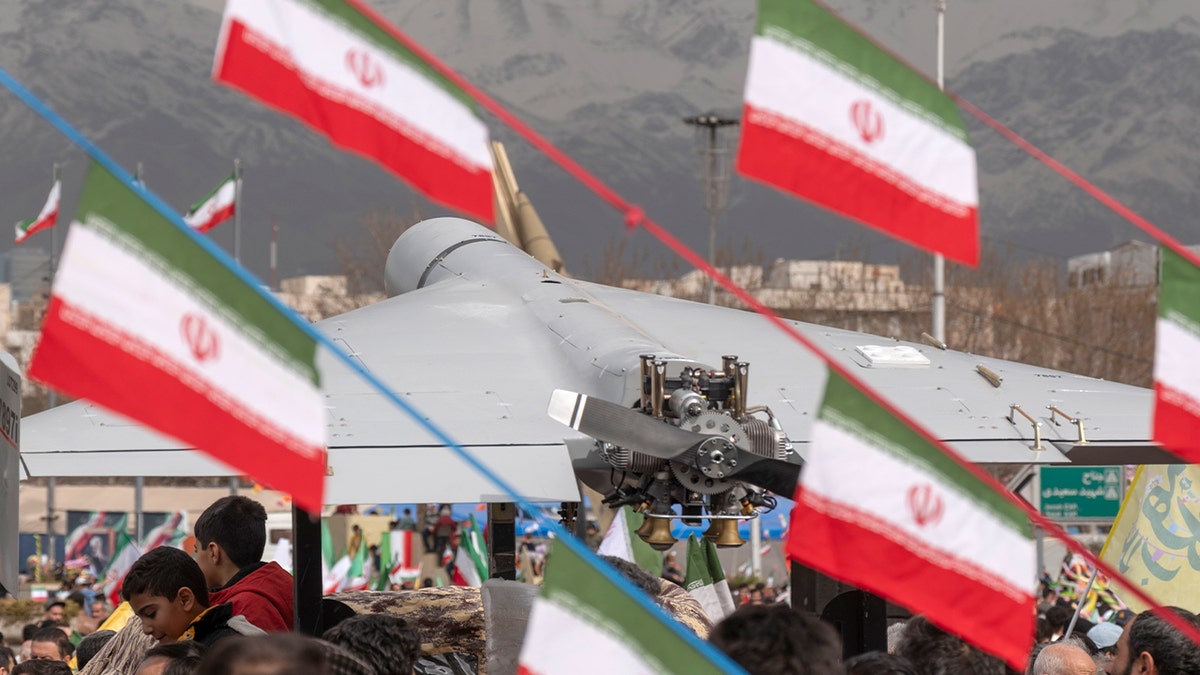
Shahed-136 drones cost between twenty thousand and fifty thousand dollars each. Patriot PAC-3 interceptors cost over four million dollars, and THAAD interceptors cost roughly fifteen million dollars. CENTCOM interceptor spending against Shahed drones exceeded three billion dollars in the first six months of the Iran conflict.
Russia controls roughly twenty percent of Ukraine, an area the size of Pennsylvania. Over the past twelve months Russian forces gained a net 1,669 square miles. Russian casualties exceed one million killed and wounded. Ukrainian casualties are estimated between 250,000 and 300,000.
The November 2025 National Security Strategy states that the gap between low-cost drones and expensive defense systems requires changes in procurement and a national mobilization to develop lower-cost defenses.