U.S. munitions stockpiles depleted by Iran war need years to rebuild
A new CSIS analysis finds that restoring critical U.S. weapons inventories after the recent conflict with Iran will take at least two years and could extend into 2030 or 2031.
 Defense News
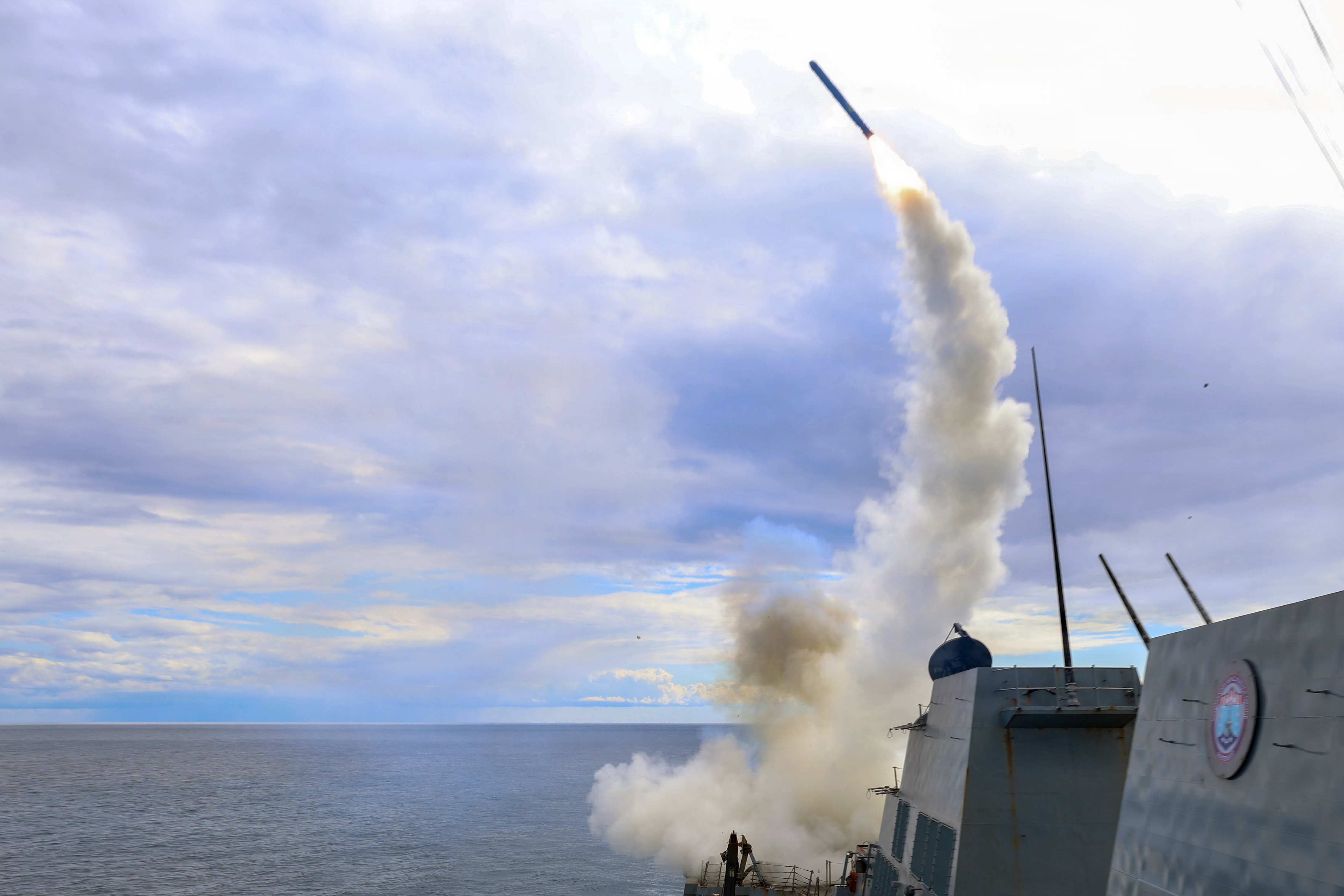
U.S. munitions used during the recent war with Iran will require at least two years and may stretch until 2030 or 2031, according to a new analysis by the Center for Strategic and International Studies. The report warns that the depletion has created a "window of vulnerability" for American forces until stockpiles are restored.
The CSIS study examined inventories of precision-guided munitions, air-defense interceptors, and artillery shells that were drawn down during the conflict. It concluded that production rates for several key systems remain below the levels needed to replace expended rounds within a short timeframe.
Defense News reported that some categories of weapons could take until the end of the decade to return to pre-war levels.
The analysis cited limited manufacturing capacity, long lead times for components, and competition for raw materials as primary constraints. Al Jazeera noted that officials have not released exact figures for remaining inventories, citing operational security.
Industry sources told Defense News that several prime contractors are already operating at maximum output but still cannot meet surge demand.
U.S. ability to sustain simultaneous operations in multiple theaters. It recommends accelerating contracts, expanding production facilities, and exploring allied co-production agreements to shorten the recovery period. No specific timeline for full restoration was provided beyond the 2030-2031 range cited in the analysis.
Key Facts
Story Timeline
2 events- May 2026
CSIS releases analysis on U.S. munitions depletion after Iran war.
2 sourcesAl Jazeera · Defense News - Recent months
U.S. forces expend critical munitions during conflict with Iran.
2 sourcesAl Jazeera · Defense News
Potential Impact
- 01
U.S. forces may face reduced capacity for sustained multi-theater operations.
- 02
Defense contractors could receive expanded production contracts.
- 03
Allied co-production agreements may be pursued to accelerate replenishment.
Transparency Panel
Related Stories
 straitstimes.com
Journalists in Gaza to Receive 2026 Golden Pen of Freedom Award
Three international news agencies will accept the award on behalf of their local staff still reporting from the territory. The World Association of News Publishers cited the journalists' continued coverage under extreme conditions.
 upi.com
Supreme Court Revives Havana Docks Lawsuit Over Confiscated Cuban Property
The U.S. Supreme Court sent a Helms-Burton Act case back to lower courts for further argument. The suit seeks damages from cruise lines that used docks seized by Cuba in 1959.
 France 24
Pakistan Population Growth Outpaces Infrastructure as Male Contraception Stays Taboo
Pakistan's population exceeds 258 million and could reach 300 million by 2030. Contraception remains largely taboo in a society shaped by traditional values. The country continues to lag behind neighbors India and Bangladesh in key social sectors.