Substrate
politics

U.S. Nuclear Weapons Production Reaches Highest Level Since Cold War Amid Concerns Over Arsenal Strain and Arms Race Risks

Energy Secretary Chris Wright told a Senate committee Thursday that the National Nuclear Security Administration is delivering more new nuclear weapons and plutonium pits than at any time since the Cold War. Lawmakers highlighted China's rapid nuclear expansion, now exceeding 600 operational warheads, and Iran's progress toward weapons-grade uranium.

Fox News
1 source·May 14, 3:51 PM(15 days ago)·2m read
U.S. Nuclear Weapons Production Reaches Highest Level Since Cold War Amid Concerns Over Arsenal Strain and Arms Race RisksFox News
Audio version
Tap play to generate a narrated version.
Developing·Limited corroboration so far. This page will refresh as more sources emerge.

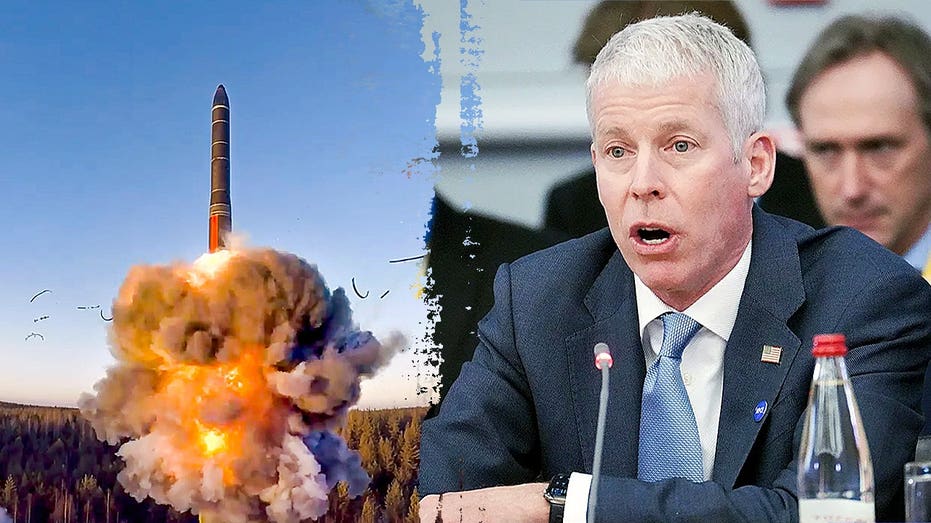
The United States is producing nuclear weapons at levels not seen since the Cold War, Energy Secretary Chris Wright told lawmakers on Thursday. "Today, NNSA is delivering more new nuclear weapons and plutonium pits than at any time since the Cold War," Wright said during a Senate Armed Services Committee hearing.

U.S. Nuclear renaissance, with seven major warhead programs underway simultaneously. Wright said thanks to President Trump's leadership, America's nuclear renaissance is here. Senate Armed Services Committee Chairman Roger Wicker warned that China is moving beyond a minimum deterrence posture.

Wicker said China is building a far larger and more sophisticated nuclear force under Chinese President Xi Jinping. China is engaged in rapid construction of hundreds of new missile silos and has expanded mobile missile systems, ballistic missile submarines, and investments in long-range bombers. Pentagon estimates project China’s arsenal could exceed 1,000 operational nuclear warheads by 2030.

China has more than 600 operational nuclear warheads today. By comparison, the United States maintains roughly 3,700 active nuclear warheads in its stockpile. A member of the People's Liberation Army stands near DF-5C nuclear missiles during a military parade in Beijing, China, on Sept.

3, 2025. E. Warren Air Force Base in Wyoming on July 9, 2025. U.S. Effort. The National Nuclear Security Administration dismissed hundreds of trained nuclear personnel last year. The agency previously had roughly 2,000 personnel supporting Pentagon nuclear requirements.
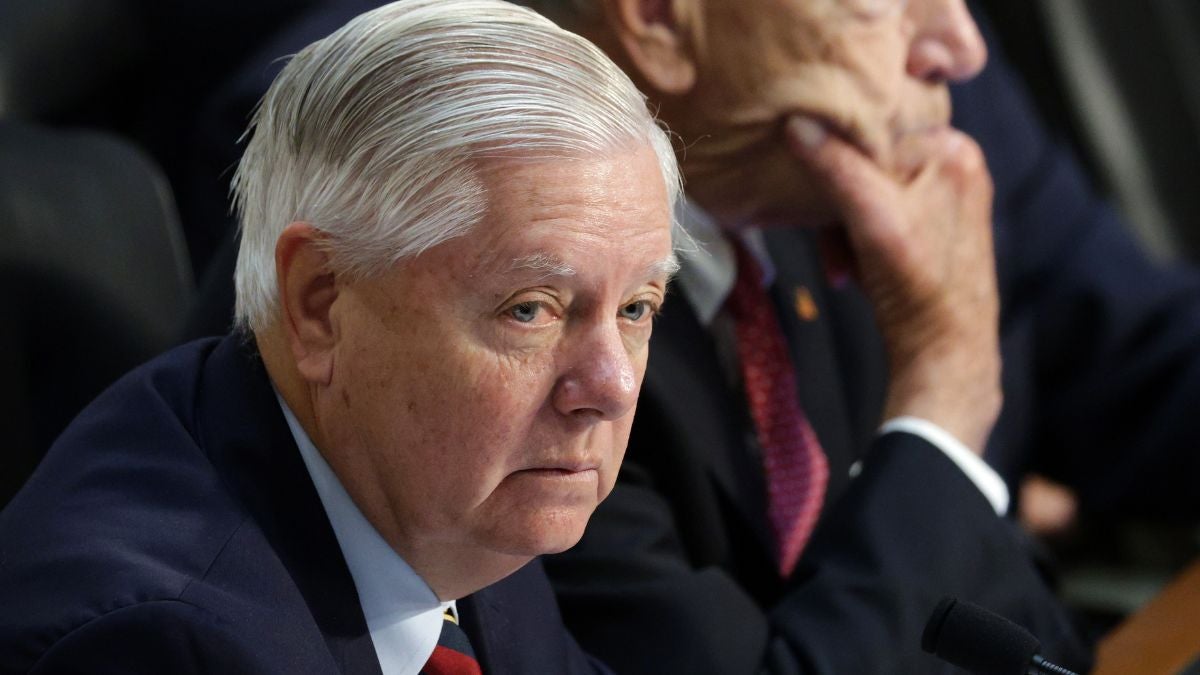
Sen. Jack Reed warned that the National Nuclear Security Administration is already under strain. "These experts are exceedingly hard to recruit and retain," Reed said. He cautioned that new proposals could further stretch resources.

Roger Wicker criticized the administration for failing to request funding for a nuclear sea-launched cruise missile warhead program. "The United States cannot afford to forego credible, flexible response options while our adversaries' nuclear forces grow day by day," he said. The hearing also addressed Iran's nuclear program.

Energy Secretary Chris Wright said Iran is weeks — a small number of weeks — away from enriching uranium to weapons grade. Iran already possesses uranium enriched to 60% and possesses significant quantities of uranium enriched to 20%. Iran’s full stockpile of enriched uranium is estimated at roughly 12 tons.

U.S. should target Iran’s full stockpile of enriched uranium, Wright said he thinks that is the wise strategy and that the ultimate goal is to prevent future enrichment of uranium as well. "When you're at 60%, you are … way more than 90% of the way there for the enrichment necessary for weapons grade uranium," he said.

Tensions with Iran have raised concerns about potential disruptions to oil flows through the Strait of Hormuz. Wright said a whole administration was well aware of the risk of disruptions to oil flows through the Strait of Hormuz.

U.S. Would ensure the free movement of oil through the region either in an agreement or without a deal. Wright defended the administration’s nuclear funding requests. U.S. lost its mojo a bit in designing new weapons and modernizing our weapons.

"It is absolutely essential that every power in the world believes and understands that the United States has the top nuclear arsenal," Wright said. A ground-based intercontinental ballistic missile launched from the Plesetsk facility in northwestern Russia during drills on Dec. 9, 2020.

Fox News reported these developments.

Key Facts

U.S. nuclear production reaches post-Cold War high
NNSA is delivering more new nuclear weapons and plutonium pits than at any time since the Cold War, with seven major warhead programs underway
China's nuclear arsenal expanding rapidly
More than 600 operational warheads today with Pentagon projection exceeding 1,000 by 2030, including hundreds of new missile silos
Iran weeks from weapons-grade uranium
Iran possesses uranium enriched to 60% with full stockpile estimated at roughly 12 tons and is a small number of weeks from weapons grade

Story Timeline

4 events
  1. 2026-05-14

    Senate Armed Services Committee hearing occurs where Energy Secretary Chris Wright and senators discuss U.S. nuclear production, China threat, and Iran nuclear status

    1 sourceFox News
  2. 2025-09-03

    People's Liberation Army displays DF-5C nuclear missiles during military parade in Beijing

    1 sourceFox News
  3. 2025-07-09

    Unarmed LGM-30G Minuteman III missile documented inside silo at F.E. Warren Air Force Base

    1 sourceFox News
  4. 2020-12-09

    Russia conducts ground-based intercontinental ballistic missile launch during drills

    1 sourceFox News

Potential Impact

  1. 01

    U.S. nuclear modernization push to maintain perceived top arsenal status amid China's expansion beyond minimum deterrence

  2. 02

    Increased strain on National Nuclear Security Administration following dismissal of hundreds of trained personnel last year from previous level of roughly 2,000

  3. 03

    Potential disruption to oil flows through Strait of Hormuz prompting U.S. commitment to ensure free movement of oil with or without agreement

Transparency Panel

Sources cross-referenced1
Confidence score65%
Synthesized bySubstrate AI
Word count544 words
PublishedMay 14, 2026, 3:51 PM
Bias signals removed1 across 1 outlet
Signal Breakdown
Loaded 1

Related Stories

Trump Meets Advisers to Decide on Iran Ceasefire ExtensionBBC News
politics1 hr ago

Trump Meets Advisers to Decide on Iran Ceasefire Extension

President Trump said he is holding a Situation Room meeting to make a final decision on a possible deal with Iran. The proposed agreement would extend the ceasefire by 60 days and reopen the Strait of Hormuz.

Al Jazeera
JA
MA
AF
AJ
+6
11 sources
Trump to Decide on Iran Deal in Situation Room Meetingmiddleeasteye.net
politics1 hr ago

Trump to Decide on Iran Deal in Situation Room Meeting

President Trump said Friday he is heading into the Situation Room to make a final determination on a potential agreement with Iran. The proposed deal would reopen the Strait of Hormuz without tolls and require destruction of Iran's highly-enriched uranium.

LI
Just the News
CBS News
3 sources
Vietnam Clears Graves for Trump Organization Project in Hung Yen Provincebenzinga.com
politics1 hr ago

Vietnam Clears Graves for Trump Organization Project in Hung Yen Province

Farmers in Hung Yen province are exhuming family graves to make way for a $1.5 billion Trump Organization development that includes hotels, villas and a golf course. The project, approved last year, has drawn local resistance over compensation levels and relocation of remains.

The Independent
1 source