Substrate
politics

U.S. Officials Report Near Agreement to Reopen Strait of Hormuz

U.S. officials announced Saturday that an agreement to reopen the Strait of Hormuz is largely negotiated. The deal would involve Iran gradually reopening the strait, U.S. easing of a naval blockade, and phased sanctions relief.

Fortune
1 source·May 23, 9:37 PM(5 days ago)·1m read
U.S. Officials Report Near Agreement to Reopen Strait of HormuzFortune
Audio version
Tap play to generate a narrated version.

U.S. officials announced Saturday that an agreement to reopen the Strait of Hormuz is largely negotiated between the United States, Iran, and several other countries. The deal would allow the strait to be opened, include a 60-day ceasefire extension, and feature Iran agreeing to discuss its uranium stockpile.

In return, the U.S. would ease its naval blockade while phasing in sanctions relief and the unfreezing of Iranian assets held overseas.

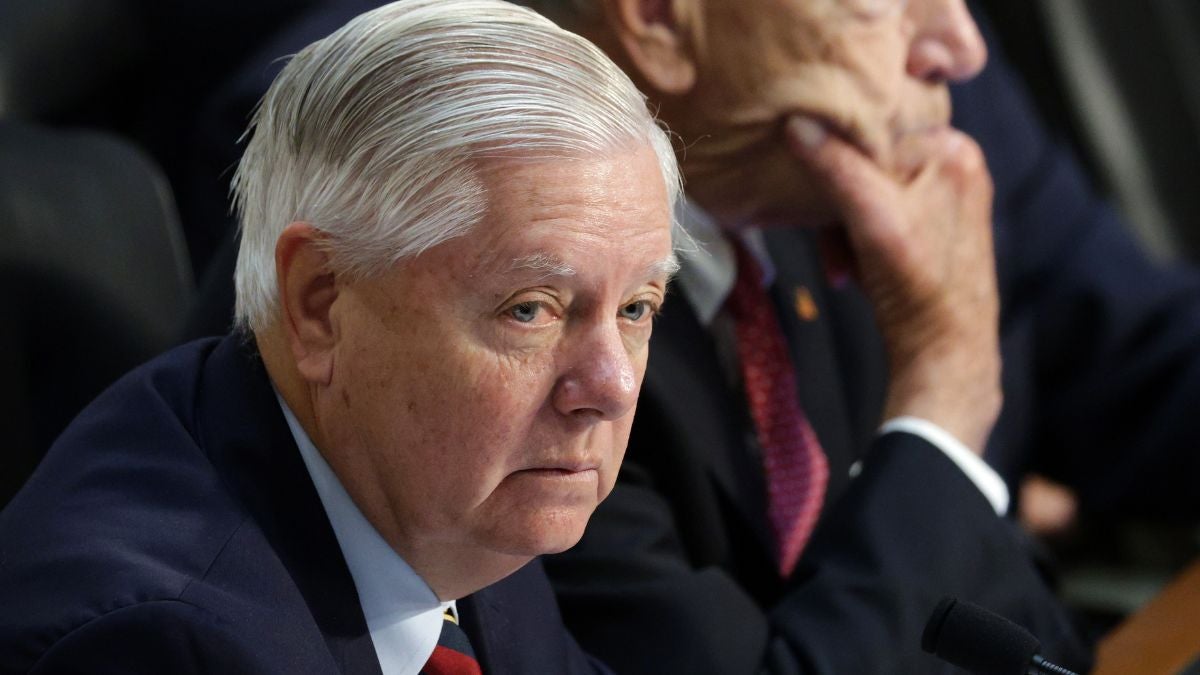
A Republican senator warned against a deal that would recognize Iran's ability to control the strait. The senator stated that such a perception would represent a major shift in the regional balance of power. The same senator added that it would make one wonder why the war started if these perceptions are accurate.

The senator expressed skepticism that Iran cannot be denied the ability to terrorize the strait. A second Republican senator warned that a 60-day ceasefire extension would be a disaster. The senator urged the president to renew hostilities and open the strait by force, saying the president is getting bad advice.

The second senator posted that further pursuit of an agreement with Iran's regime risks a perception of weakness.

Key Facts

Strait of Hormuz agreement
largely negotiated between U.S., Iran and other countries
60-day ceasefire extension
would include gradual reopening of the strait by Iran
U.S. sanctions relief
phased in alongside unfreezing of Iranian assets

Story Timeline

3 events
  1. Saturday

    U.S. officials announced an agreement to reopen the Strait of Hormuz is largely negotiated.

    1 sourceFortune
  2. Saturday

    Republican senators posted warnings against the reported 60-day ceasefire extension.

    1 sourceFortune
  3. Friday

    One senator urged renewal of hostilities to reopen the strait by force.

    1 sourceFortune

Potential Impact

  1. 01

    Reopening the strait could restore normal oil shipping routes through the Persian Gulf.

  2. 02

    Phased sanctions relief could allow gradual return of Iranian oil exports to global markets.

Transparency Panel

Sources cross-referenced1
Confidence score75%
Synthesized bySubstrate AI
Word count194 words
PublishedMay 23, 2026, 9:37 PM
Bias signals removed2 across 1 outlet
Signal Breakdown
Loaded 1Speculative 1

Related Stories

Trump Meets Advisers to Decide on Iran Ceasefire ExtensionBBC News
politics38 min ago

Trump Meets Advisers to Decide on Iran Ceasefire Extension

President Trump said he is holding a Situation Room meeting to make a final decision on a possible deal with Iran. The proposed agreement would extend the ceasefire by 60 days and reopen the Strait of Hormuz.

Al Jazeera
JA
MA
AF
AJ
+6
11 sources
Trump to Decide on Iran Deal in Situation Room Meetingmiddleeasteye.net
politics38 min ago

Trump to Decide on Iran Deal in Situation Room Meeting

President Trump said Friday he is heading into the Situation Room to make a final determination on a potential agreement with Iran. The proposed deal would reopen the Strait of Hormuz without tolls and require destruction of Iran's highly-enriched uranium.

LI
Just the News
CBS News
3 sources
Trump Says U.S. Will Lift Iran Naval Blockade After Nuclear and Hormuz Pledgesrealitytea.com
politics2 hrs agoDeveloping

Trump Says U.S. Will Lift Iran Naval Blockade After Nuclear and Hormuz Pledges

President Trump stated the U.S. will end its naval blockade of Iran once Tehran commits to forgoing nuclear weapons and opens the Strait of Hormuz to unrestricted shipping. The announcement came via Truth Social and a live statement.

FI
LI
MA
3 sources