finance
U.S. Suspends Naval Escorts in Strait of Hormuz
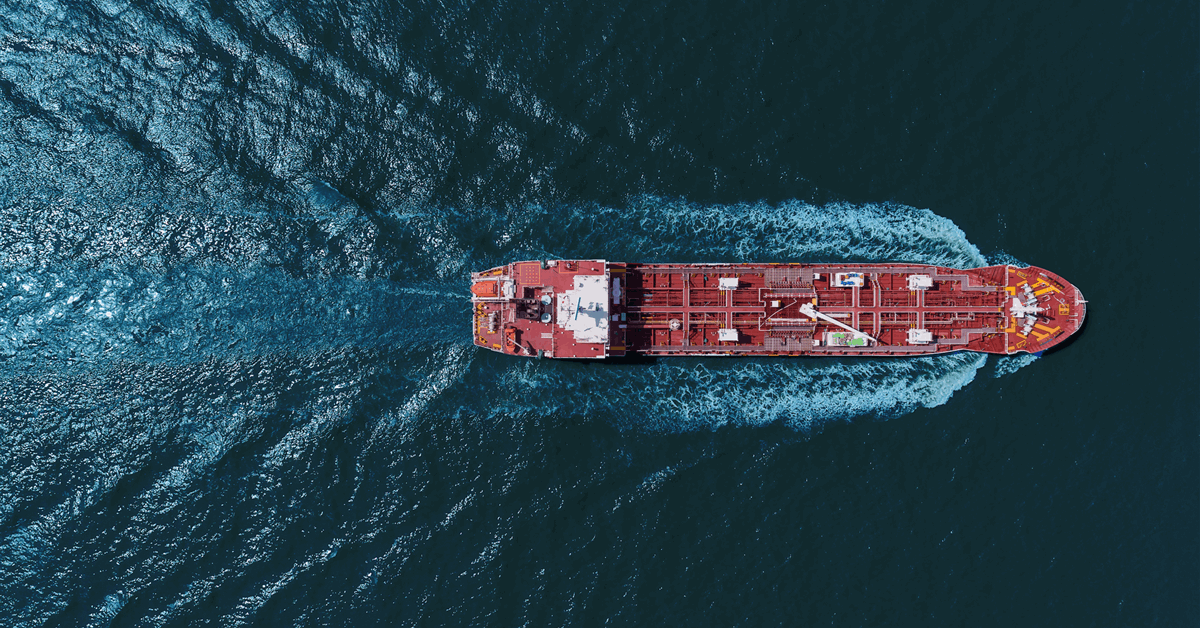
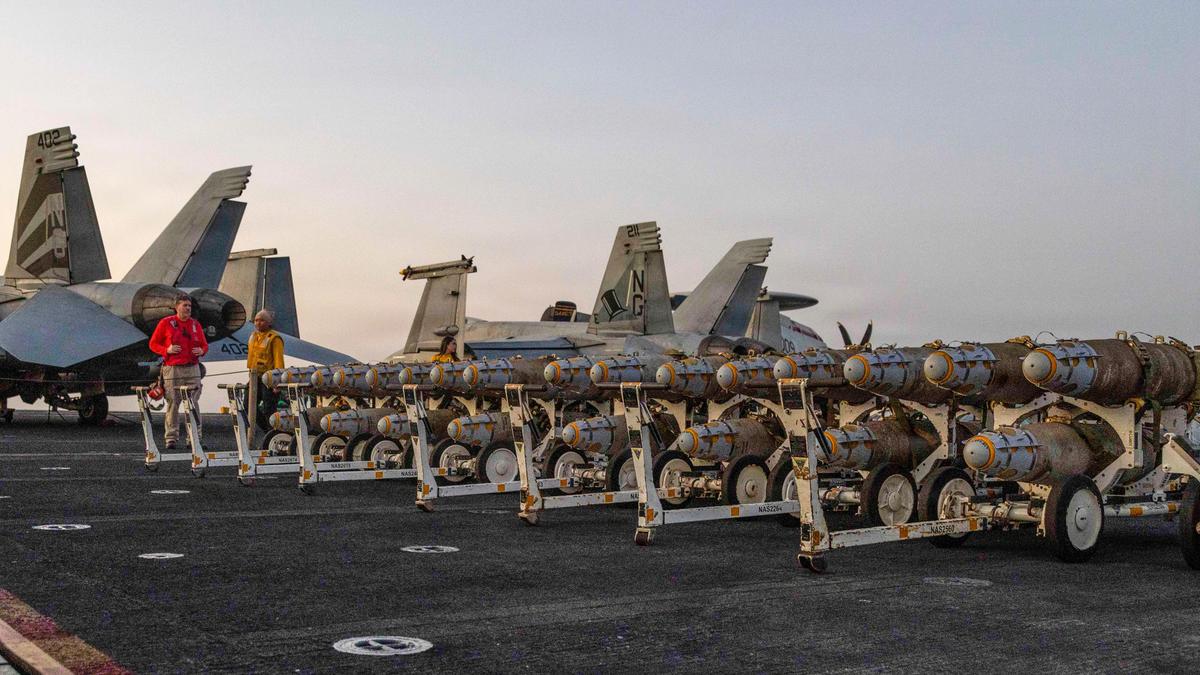
President Trump announced Tuesday that the United States would pause its days-old naval operation escorting ships through the Strait of Hormuz. The decision followed claims of great progress on a potential agreement and requests from Pakistan and other countries. Oil prices fell sharply and stock markets rose on Wednesday while gasoline prices reached new highs since the war began.
May 6, 7:39 AM·2m read2 sources KO
KO
 thehindu.com
Audio version
Tap play to generate a narrated version.
Developing·Limited corroboration so far. This page will refresh as more sources emerge.
The United States has paused its naval escorts through the Strait of Hormuz following requests from Pakistan and other countries, according to The New York Times. The pause comes as the U.S. and Iran near a 14-point “memorandum of understanding” to end the Iran War, according to financial analyst @KobeissiLetter citing officials familiar with the talks.
The memorandum would include Iran committing to a moratorium on uranium enrichment for the long term. In exchange the U.S. would lift sanctions and release billions in frozen Iranian funds. Both sides would also lift restrictions around transit through the Strait of Hormuz. The agreement would formally end the war and begin a 30-day negotiation period.
The U.S. Navy began efforts to guide ships through the strait on Monday. Iran announced a new mechanism on Tuesday to oversee traffic. Ships seeking to cross the Strait of Hormuz will receive an email laying out transit regulations from the Persian Gulf Strait Authority and must obtain a transit permit. The new transit mechanism is now operational.
The Islamic Revolutionary Guard Corps Navy stated that the only safe route was an Iran-designated corridor and that it would take action against any vessels that deviated. More than two months into the conflict, some 1,600 ships remain stranded in the Strait of Hormuz with roughly 20,000 seafarers on board. The strait normally carries as much as one-fifth of the world’s oil supply.
China’s foreign minister Wang Yi held talks with Iran’s foreign minister Abbas Araghchi in Beijing on Wednesday. Araghchi is the first senior Iranian official to visit China since the war broke out in late February. Wang Yi said that stopping the war was a matter of urgency, that China believes a comprehensive cessation of hostilities should not be delayed, that any reigniting of hostilities is even less desirable, and that sticking to negotiations is particularly important.