technology
U.S. safety agency directs autonomous vehicle makers to fix interference with first responders
The National Highway Traffic Safety Administration identified repeated cases of driverless vehicles blocking emergency vehicles. The agency set an end-of-July deadline for manufacturers to present solutions.
Jul 9, 4:30 AM·1m read1 source
 Engadget
Audio version
Tap play to generate a narrated version.
Developing·Limited corroboration so far. This page will refresh as more sources emerge.
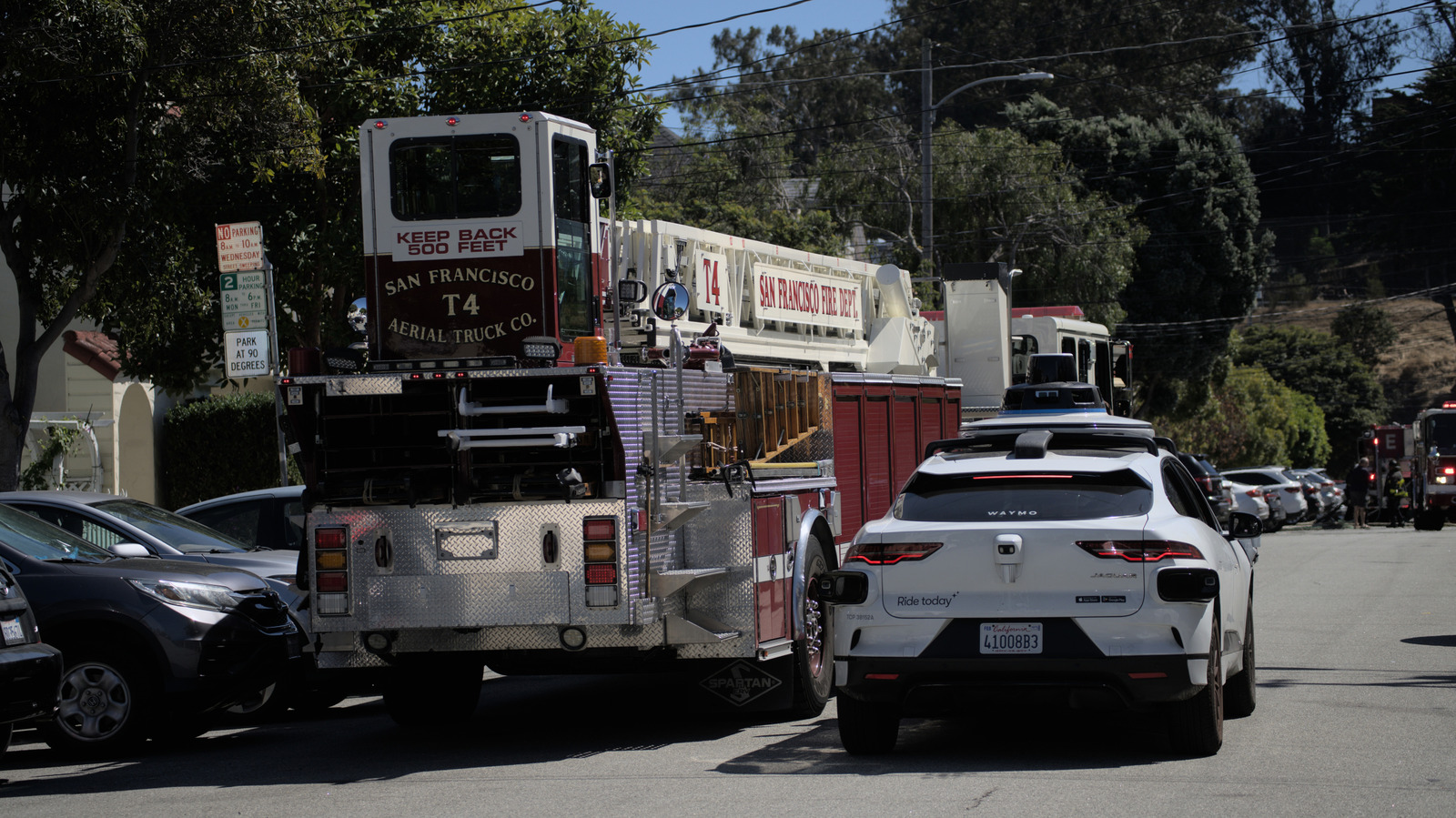
The U.S. Department of Transportation's National Highway Traffic Safety Administration identified a pattern of driverless vehicles interfering with law enforcement and other first responders over recent months. The agency is requiring autonomous vehicle makers to submit solutions by the end of July.
The agency stated that emergency situations are common and not edge cases. It directed developers and operators to prioritize fixes that allow vehicles to yield to emergency responders.
Reported incidents In March, a vehicle blocked an ambulance responding to a shooting in Austin, Texas. An officer had to drive the vehicle manually, delaying the response by several minutes. Officials from San Francisco and Austin reported that vehicles have frozen in place, blocked fire stations, and failed to recognize hand signals from first responders.
They described the performance as having worsened over time.
Agency response The agency will hold meetings with manufacturers by the end of July to review proposed fixes. It noted that human drivers who impede emergency vehicles can face fines or jail time, and stated that autonomous vehicles must not create similar obstructions.