U.S. Seeks China's Help to Pressure Iran on Nuclear Talks and Gulf Shipping
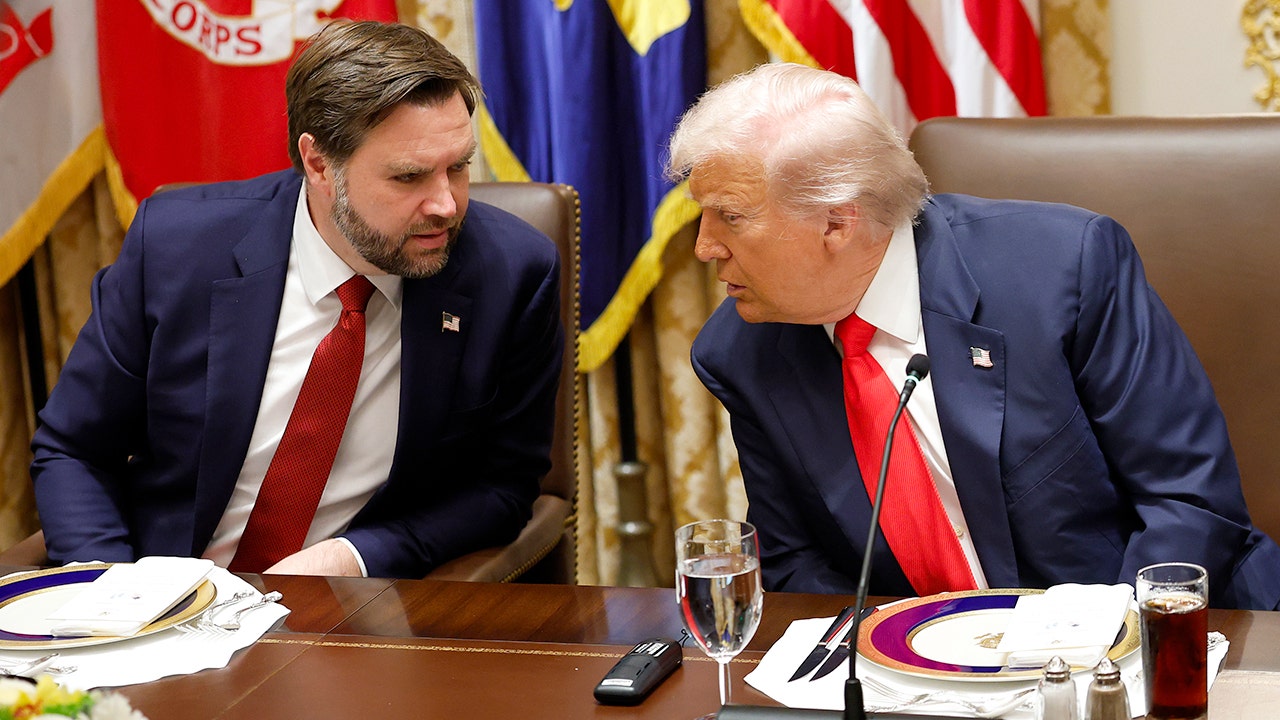
Senior White House officials said China has already pressed Iran to reach an agreement as the Trump administration pursues a diplomatic path on Iran's nuclear program. Secretary of State Marco Rubio stated the U.S. is urging Beijing to take a more active role in persuading Iran to change course in the Persian Gulf and open the Strait of Hormuz.
 Fox News
Senior White House officials said China has already pressured Iran to reach an agreement on its nuclear program, according to POLITICO reporting. The disclosure underscores the Trump administration's reliance on Beijing to advance diplomatic efforts even as direct U.S. talks with Tehran continue.
Secretary of State Marco Rubio told Fox News the administration is trying to convince China to play a more active role in getting Iran to walk away from its current activities in the Persian Gulf. Rubio specifically cited the need to persuade Iran to reopen the Strait of Hormuz, a critical waterway for global oil shipments that has faced disruptions tied to regional tensions.
The comments reflect an open acknowledgment that U.S. strategy on Iran requires Chinese cooperation. Rubio made the remarks in an interview aired Wednesday, emphasizing diplomatic pathways for now while pressing allies and partners to exert influence.
In separate remarks, a senior administration official said talks with Iran are still progressing. The official added that President Trump needs to feel confident that a number of protections are in place to ensure Iran will never have a nuclear weapon.
The focus remains on a diplomatic resolution despite ongoing challenges in the Gulf. Iran has faced repeated calls to scale back its nuclear activities and ease restrictions on maritime traffic through the strait, which handles roughly one-fifth of global oil trade.
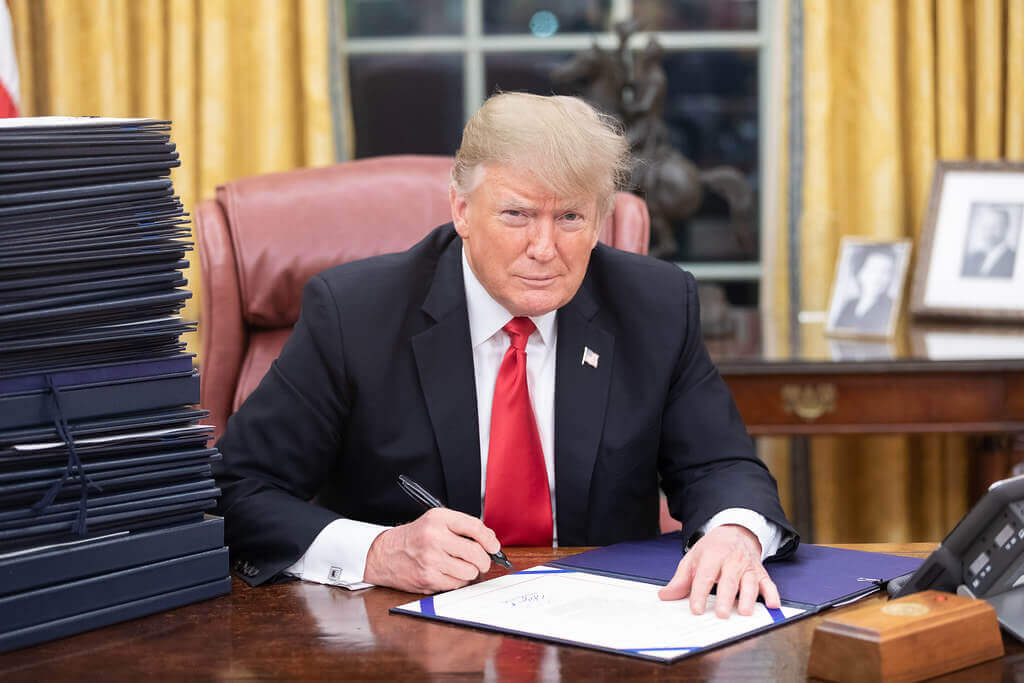
President The disclosure came amid broader discussions of continuity planning within the administration. The letter outlines steps for a smooth transition of power in the event of an assassination or other crisis that removes the president from office. Officials described the document as a precautionary measure stored in the historic desk used by multiple presidents.
Rubio's outreach to China forms part of a wider effort to isolate Iran's destabilizing actions in the region. By enlisting Beijing, which maintains significant economic ties to Tehran, the administration aims to amplify pressure without immediate resort to military options.
The Persian Gulf tensions have raised concerns about potential disruptions to energy markets. Reopening the Strait of Hormuz fully would ease pressure on shipping routes and help stabilize oil prices that have fluctuated with threats of closure. Officials have not detailed specific concessions Iran might offer or the exact nature of Chinese interventions to date.
However, the repeated emphasis on Beijing's role indicates it has become central to the current U.S. approach.
“We’ve made the...”
The administration continues to monitor Iran's nuclear advancements closely. Progress in talks hinges on verifiable steps that would prevent Tehran from developing weapons capability, according to the senior official's description of the president's requirements.
No immediate breakthroughs were announced, but both the nuclear discussions and Gulf maritime issues remain active priorities for U.S. diplomacy in the coming weeks.
Key Facts
Story Timeline
4 events- May 13, 2026
Secretary of State Marco Rubio interviewed on Fox News about seeking greater Chinese pressure on Iran.
4 sourcesAl-Monitor · New York Post · Fox News · @JavierBlas - May 13, 2026
Senior White House official reveals President Trump stored a letter of instructions for the vice president in the Resolute Desk.
2 sourcesThe Washington Times · Fox News - May 14, 2026
Senior White House official states China has already pressured Iran toward an agreement.
2 sources@unusual_whales · POLITICO - Recent
Vice presidential discussions confirm Iran talks are progressing but stress need for strong protections against nuclear weapons.
2 sources@sentdefender · @Investingcom
Potential Impact
- 01
Potential reduction in tensions affecting oil transit through the Strait of Hormuz.
- 02
Continued emphasis on verifiable protections in any Iran nuclear agreement.
- 03
U.S. reliance on third-party nations to influence Iranian behavior becomes more visible.
- 04
Succession planning document now publicly known within White House operations.
Transparency Panel
Related Stories
 The Hill
Golden Dome Missile Defense Architecture Estimated at $1.2 Trillion Over 20 Years
The Congressional Budget Office estimated Tuesday that a national missile defense system matching the Trump administration's Golden Dome plan would cost $1.2 trillion to develop, deploy and operate through 2046. The largest share, $743 billion, would go toward a constellation of…
 pbs.org
Federal Judge Blocks U.S. Sanctions on U.N. Expert Over Gaza Criticism
A federal judge ruled that the State Department violated the First Amendment rights of Francesca Albanese by imposing sanctions after she urged war crimes prosecutions related to Israel's war in Gaza. The temporary block halts measures that froze her U.S. assets and barred her en…
 theconservativetreehouse.com
Trump Administration Defers $1.3 Billion in Medicaid Payments to California Over Fraud Concerns
Vice President JD Vance announced on May 13, 2026, that the federal government is deferring $1.3 billion in Medicaid reimbursements to California, citing the state's failure to combat fraud. The action is part of a broader anti-fraud initiative that also suspends roughly 800 hosp…