world
U.S. Seeks to Restore Oil Tanker Traffic Through Strait of Hormuz
President Trump said the U.S. is reimposing a blockade on Iranian ports and will charge other ships for safe passage. Restoring prewar traffic levels may require additional warships or ground forces, according to analysts cited by Cbs News.
Jul 14, 7:01 AM·1m read3 sources


Audio version
Tap play to generate a narrated version.
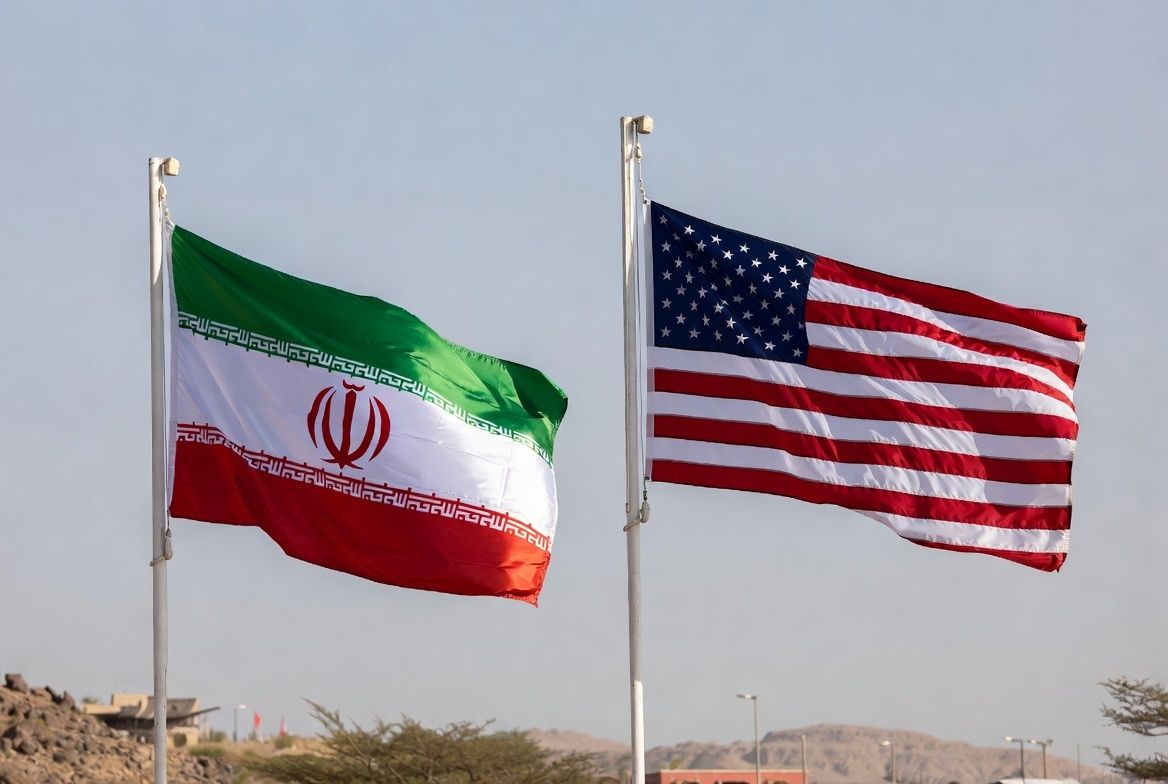
President Trump said Monday the U.S. is reinstating a blockade on Iran's ports and will allow other countries fair use of the Strait of Hormuz while charging a 20% fee on cargo shipments. The president posted on Truth Social that the U.S. would "probably run" the strait. Iran has insisted it controls the waterway, through which 20% of the world's oil normally flows.
Analysts said restoring tanker traffic to prewar levels would likely require a larger U.S. naval presence or tens of thousands of troops on Iranian soil. Jason H. Campbell, a senior fellow at the Middle East Institute and former Pentagon official, said Iran has prepared for asymmetric conflict for decades.
Campbell said U.S. ground forces would be needed to secure hundreds of miles of coastline and remove hidden munitions. He estimated the effort would take months and involve high costs.
Eisenstadt, a former U.S. military analyst now at the Washington Institute for Near East Policy, said escort operations would require a substantial share of the U.S. fleet on an open-ended basis. He noted Iran has developed advanced drone and missile capabilities since the 1980s escort missions.
Commercial vessels have shifted to a southern route along Oman's coast under U.S. overwatch. Capt. Tim Hawkins, U.S. Central Command spokesman, said mine clearance continues on traditional routes while alternative pathways remain open.
Raydan, a senior fellow at the Washington Institute for Near East Policy, said Iranian threats alone can deter shipping without actual attacks. Clayton Seigle, a nonresident scholar at the Center for Strategic and International Studies, said earlier U.S. promises of naval escorts and ground forces were not fulfilled.
Eric Lob, a nonresident scholar at the Carnegie Endowment for International Peace, said the standoff represents a test of how much economic pain Iran is willing to absorb and what political costs it may create for U.S. leadership ahead of midterm elections.