Substrate
world

U.S. Strike Kills ISIS West Africa Commander in Northeastern Nigeria

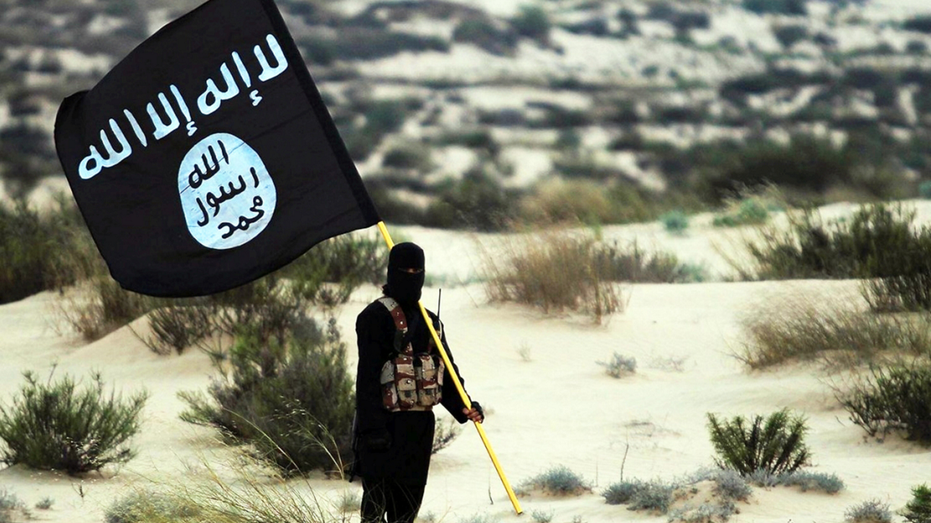
A U.S. precision strike killed ISIS West Africa commander Abu-Bilal al-Minuki on May 16 in northeastern Nigeria. The operation relied on human intelligence and disrupted operations in the Lake Chad region. The group's overall leader remains at large.

Fox News
1 source·May 17, 10:10 PM(11 days ago)·1m read
U.S. Strike Kills ISIS West Africa Commander in Northeastern NigeriaFox News
Audio version
Tap play to generate a narrated version.

U.S. precision strike killed ISIS West Africa commander Abu-Bilal al-Minuki on May 16 in northeastern Nigeria. m. in the Metele region of Borno State. Nigerian army officials described it as a meticulously planned precision air-land operation.

Strike Details U.S. Africa Command placed the strike in northeastern Nigeria.

The Nigerian army said the target had been shielded by deep local networks for years. Human intelligence sources provided the information that allowed the strike to succeed. Dr. Omar Mohammed, Senior Research Fellow at the GW Program on Extremism, said al-Minuki relied on courier-based communications and moved constantly between small camps.

He added that time eventually generates patterns that human sources can exploit. The strike is described as the most significant blow to ISIS leadership since the 2019 raid that killed al-Baghdadi.

Data from the Armed Conflict Location & Event Data Project shows more than two-thirds of global Islamic State activity now occurs in Africa. Mohammed stated that Africa has become the operational and financial center of the group. Funding comes mainly from local taxation, ransom, and smuggling.

The overall ISIS leader, Abu Hafs al-Hashimi al-Qurashi, remains at large. Reports indicate he moved from Syria or Iraq through Yemen to Somalia's Puntland region. His exact location is unknown.
Key Facts

Abu-Bilal al-Minuki
ISIS West Africa commander killed May 16
Metele, Borno State
Strike location in northeastern Nigeria
Human intelligence
Primary method used to locate the target
Abu Hafs al-Hashimi al-Qurashi
Overall ISIS leader still at large

Story Timeline

3 events
  1. May 16, 2026

    U.S. strike killed ISIS West Africa commander Abu-Bilal al-Minuki in Metele, Nigeria.

    1 sourceFox News
  2. May 16, 2026

    Nigerian army described the strike as a precision air-land operation conducted between midnight and 4 a.m.

    1 sourceFox News
  3. May 18, 2026

    Dr. Omar Mohammed stated the strike was the most significant blow to ISIS leadership since 2019.

    1 sourceFox News

Potential Impact

  1. 01

    ISIS operations in northeastern Nigeria face short-term disruption.

  2. 02

    Local networks in the Lake Chad region may face increased pressure.

Transparency Panel

Sources cross-referenced1
Confidence score65%
Synthesized bySubstrate AI
Word count208 words
PublishedMay 17, 2026, 10:10 PM

Related Stories

WHO Chief Visits DRC as Ebola Death Rate Reaches 30-50%The Guardian
world20 min ago

WHO Chief Visits DRC as Ebola Death Rate Reaches 30-50%

World Health Organization director-general Tedros Adhanom Ghebreyesus arrived in the Democratic Republic of the Congo to support containment of a new Ebola outbreak. The agency revised the death rate to 30-50% based on confirmed cases and recorded 10 confirmed and 223 suspected d…

SK
The Guardian
2 sources
Greek National Charged in UK With Aiding Iran-Linked Intelligence Servicewesternjournal.com
world20 min ago

Greek National Charged in UK With Aiding Iran-Linked Intelligence Service

A 46-year-old Greek man living in Germany was charged under the UK National Security Act with assisting an intelligence service believed to be Iran by targeting a journalist at Iran International.

Reuters
BBC News
2 sources
Journalists in Gaza to Receive 2026 Golden Pen of Freedom Awardstraitstimes.com
world2 hrs ago

Journalists in Gaza to Receive 2026 Golden Pen of Freedom Award

Three international news agencies will accept the award on behalf of their local staff still reporting from the territory. The World Association of News Publishers cited the journalists' continued coverage under extreme conditions.

Al-Monitor
AF
2 sources