U.S. Strikes Iranian Targets in Strait of Hormuz
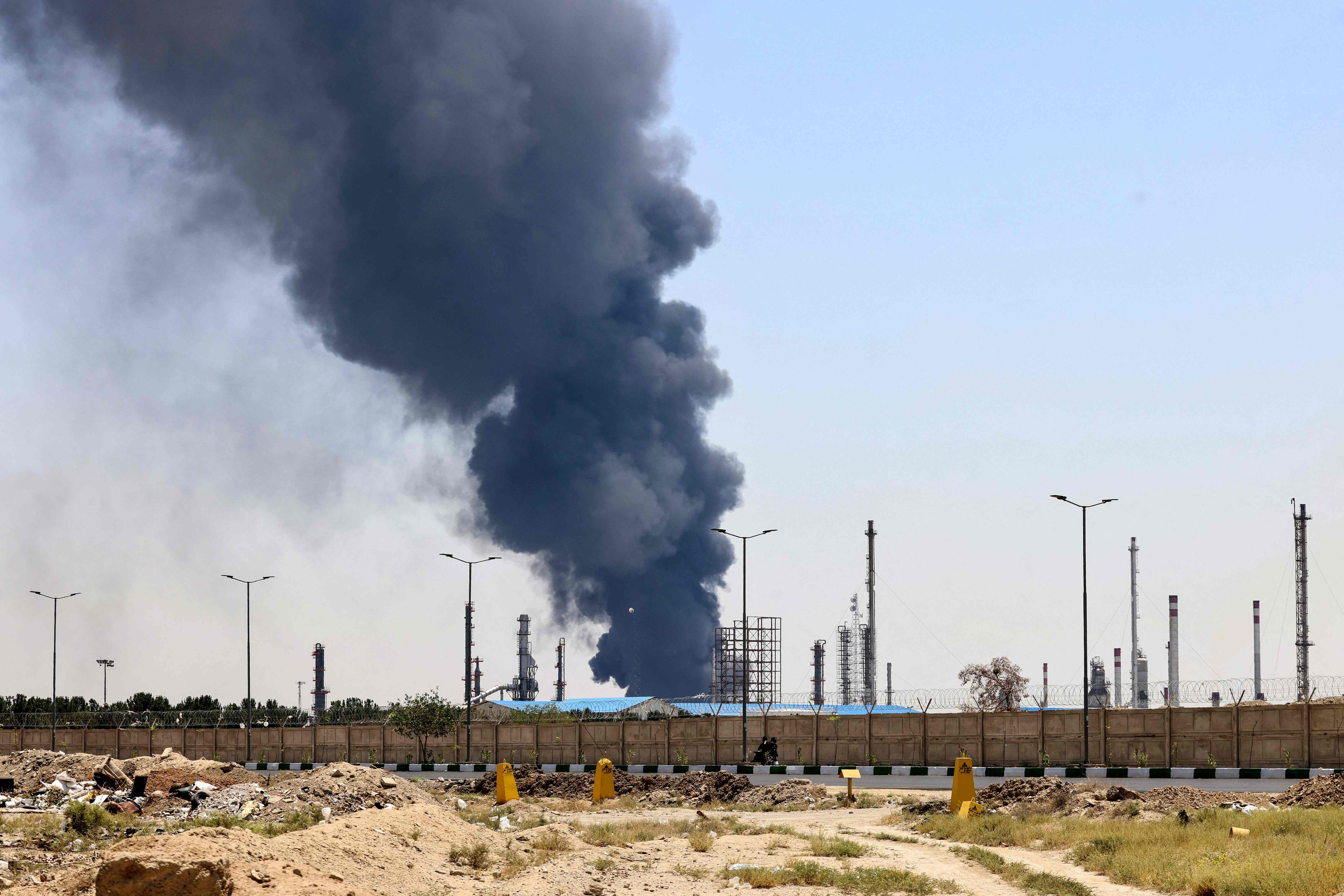
U.S. Central Command said American forces conducted self-defense strikes against Iranian military facilities after three Navy destroyers came under unprovoked attack while transiting the Strait of Hormuz on Thursday. Iranian state media reported blasts near Bandar Abbas and on Qeshm Island. The exchange occurred amid efforts to reopen the waterway, where Iran has blocked roughly 1,500 vessels.
deccanchronicle.comU.S. Central Command said American forces responded to unprovoked Iranian attacks on three Navy guided-missile destroyers transiting the Strait of Hormuz on Thursday and conducted self-defense strikes against Iranian military facilities. The destroyers USS Truxtun, USS Rafael Peralta and USS Mason came under fire from multiple missiles, drones and small boats as they sailed toward the Gulf of Oman.
No U.S. assets were struck. CENTCOM said the targeted Iranian sites included missile and drone launch locations, command and control centers, and intelligence, surveillance and reconnaissance nodes responsible for the attacks. The strikes were described as defensive and not a resumption of broader combat operations.
Iranian state media reported explosions near the port of Bandar Abbas and on Qeshm Island in the strait, though the precise targets and damage remained unclear.
Iran's military said it fired missiles at enemy units after what it described as a U.S. attack on an Iranian tanker and another vessel entering the Strait of Hormuz. Tehran’s IRIB broadcaster, citing a military official, called the American action a violation of a ceasefire.
U.S. officials rejected that characterization, stating the response was limited to neutralizing immediate threats. About 1,500 ships and their crews remain trapped in the Gulf because of the Iranian blockade of the strait, according to the secretary general of the United Nations' International Maritime Organization.
The closure has disrupted global energy flows and prompted diplomatic efforts to restore safe passage.
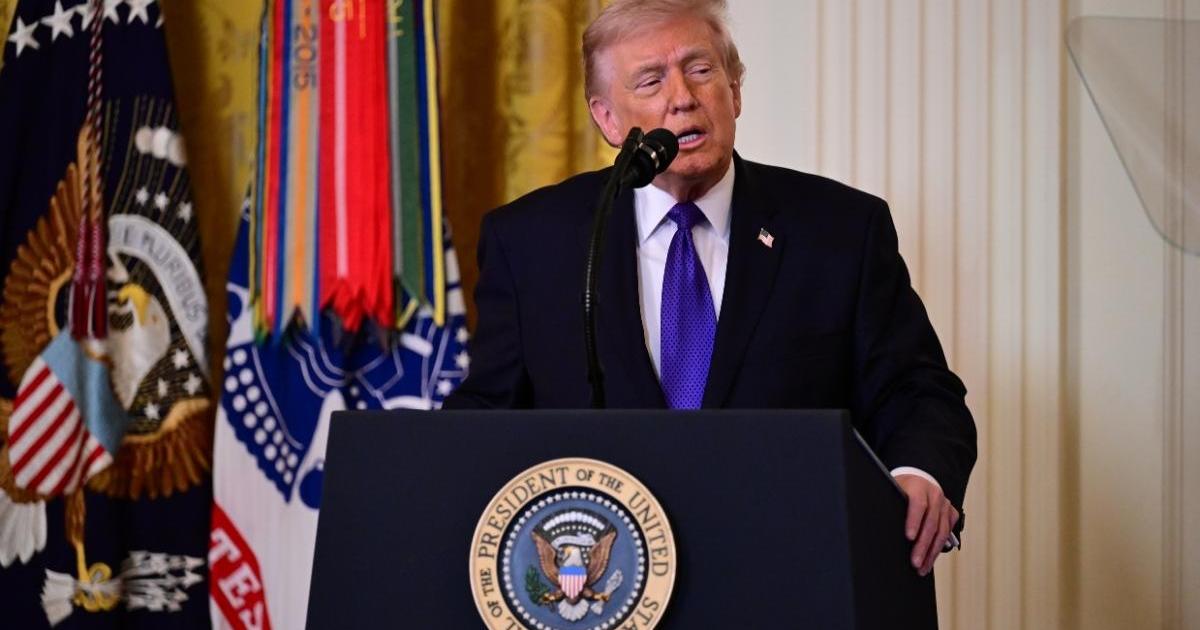
“U.S. forces intercepted unprovoked Iranian attacks and responded with self-defense strikes as U.S. Navy guided-missile destroyers transited the Strait of Hormuz to the Gulf of Oman." — U.S. The talks come even as each side accuses the other of violating earlier understandings. The United States urged countries to back a United Nations resolution demanding that Iran halt its attacks and mining activities in the strait, but diplomats said China and Russia are likely to veto the measure. Earlier this week, the U.S. military disabled an Iranian-flagged unladen oil tanker, the M/T Hasna, that attempted to breach a naval blockade in international waters. The incident followed President Donald Trump’s announcement that the Navy would escort commercial vessels through the strait as part of renewed Project Freedom operations.”
The latest flare-up occurred one day after the U.S. announced naval escorts for commercial shipping. Iranian forces had previously launched 15 ballistic and cruise missiles at the United Arab Emirates’ Fujairah Port, drawing condemnation from Persian Gulf states.
Satellite imagery published by Iranian state-affiliated media and reviewed by The Washington Post indicated damage to at least 228 U.S. military structures or pieces of equipment, though CENTCOM has not corroborated those figures. Iran has told regional countries it is prepared to meet international standards to demonstrate that its nuclear program is peaceful, according to statements relayed through Turkish media.
The Iranian presidency said the country stands ready to offer assurances under global monitoring mechanisms while criticizing what it called contradictory U.S. policies that combine pressure with calls for negotiation. The nuclear issue has been excluded from immediate war-ending talks at Iran’s insistence.
The Strait of Hormuz remains a critical chokepoint for global oil transit. Reducing U.S. dependence on foreign oil has been cited by some analysts as a long-term way to lessen the strategic leverage Iran derives from controlling the waterway.
Key Facts
Story Timeline
5 events- May 7, 2026
U.S. Central Command announces self-defense strikes on Iranian military sites after attacks on three Navy destroyers in the Strait of Hormuz.
8 sourcesZeroHedge · TheWarZoneWire · Osinttechnical - May 7, 2026
Iranian state media reports blasts near Bandar Abbas and on Qeshm Island following U.S. action.
4 sourcesInvestingcom · TheWarZoneWire · business - May 6, 2026
Iran fires missiles at UAE’s Fujairah Port, prompting heightened tensions.
2 sourcesJust the News - May 2026
Tehran and Washington discuss one-page plan to reopen Strait of Hormuz for 30 days while negotiating broader deal.
2 sourcesJavierBlas · NYT - May 2026
UN's IMO reports 1,500 ships trapped in Gulf due to Iranian blockade.
1 sourceAFP
Potential Impact
- 01
Global oil transit remains disrupted by continued closure of the Strait of Hormuz.
- 02
UN resolution calling on Iran to halt attacks faces likely veto by China and Russia.
- 03
Naval escort operations under Project Freedom continue for commercial vessels in the region.
- 04
Diplomatic talks between U.S. and Iran focus on 30-day ceasefire tied to reopening the waterway.
- 05
Iran offers to demonstrate peaceful nature of its nuclear program to regional states.
Transparency Panel
Related Stories
BBC NewsTrump Meets Advisers to Decide on Iran Ceasefire Extension
President Trump said he is holding a Situation Room meeting to make a final decision on a possible deal with Iran. The proposed agreement would extend the ceasefire by 60 days and reopen the Strait of Hormuz.
Trump to Decide on Iran Deal in Situation Room Meeting
President Trump said Friday he is heading into the Situation Room to make a final determination on a potential agreement with Iran. The proposed deal would reopen the Strait of Hormuz without tolls and require destruction of Iran's highly-enriched uranium.
benzinga.comVietnam Clears Graves for Trump Organization Project in Hung Yen Province
Farmers in Hung Yen province are exhuming family graves to make way for a $1.5 billion Trump Organization development that includes hotels, villas and a golf course. The project, approved last year, has drawn local resistance over compensation levels and relocation of remains.