world
U.S. Treasury Issues Alert on IRGC Sanctions Evasion Tactics
FinCEN warned financial institutions on May 11 about Iranian Islamic Revolutionary Guard Corps efforts to launder proceeds from illicit oil sales. Treasury Secretary Scott Bessent announced new sanctions under the "Economic Fury" initiative while President Donald Trump described a ceasefire with Iran as on "life support."
May 13, 12:00 PM·2m read1 source
ZE
 al-monitor.com
Audio version
Tap play to generate a narrated version.
Developing·Limited corroboration so far. This page will refresh as more sources emerge.
U.S. Treasury Department’s Financial Crimes Enforcement Network issued an alert to financial institutions on May 11 warning of efforts by the Iranian Islamic Revolutionary Guard Corps to evade sanctions. FinCEN said the IRGC has been facilitating and laundering the proceeds of illicit oil sales using networks of financial facilitators and shell companies.
The alert provides red flags on the IRGC’s oil smuggling, digital assets, and front-company abuse. Treasury Secretary Scott Bessent stated that financial institutions have a responsibility to stop IRGC-related activity. “Degraded by Economic Fury, the Iranian military is desperately trying to fund its weapons programs and terrorist proxies,” Bessent said.
He added that Treasury will continue to deny the Islamic Revolutionary Guard Corps access to the financial networks it exploits to fund its terrorist acts. ” The IRGC is described as a parallel organization to Tehran’s regular armed forces which reports directly to Ayatollah Mojtaba Khamenei. -designated foreign terrorist organization.
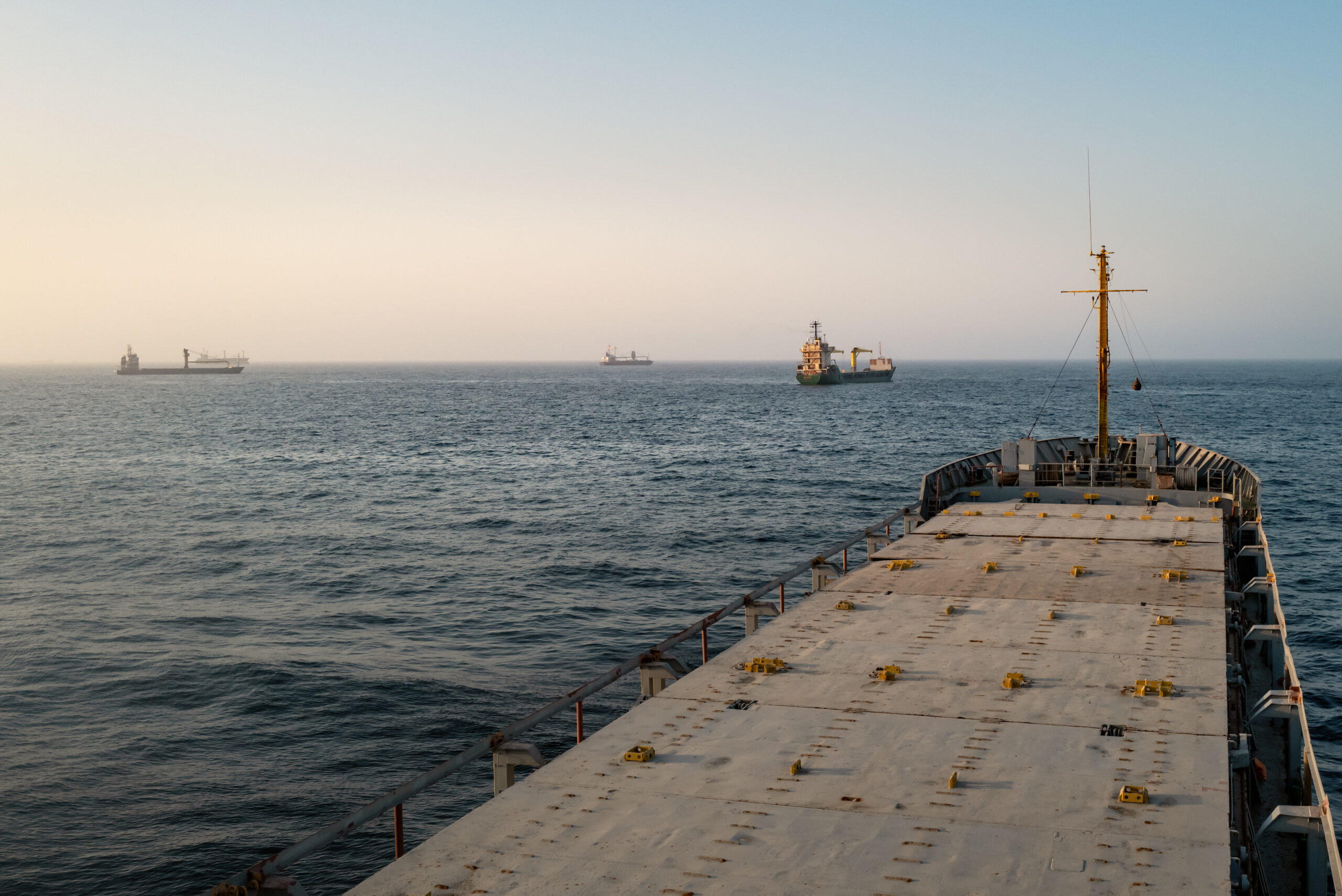
The IRGC smuggles oil using a “shadow fleet” of vessels that operate outside normal maritime rules. IRGC oil smuggling vessels are often owned and operated by companies outside Iran. Proceeds from these sales are laundered through “shadow banking” networks.
Sanctioned entities like the IRGC use front company accounts outside Iran to receive and remit payments without repatriating funds to Iran. IRGC oil sale proceeds are used to fund the procurement and development of weapons and terrorist activity abroad. @zerohedge reported that the alert aims to help banks identify and report suspicious transactions tied to these schemes.