Substrate
politics

U.S. and UAE in Talks on Currency Swap Line

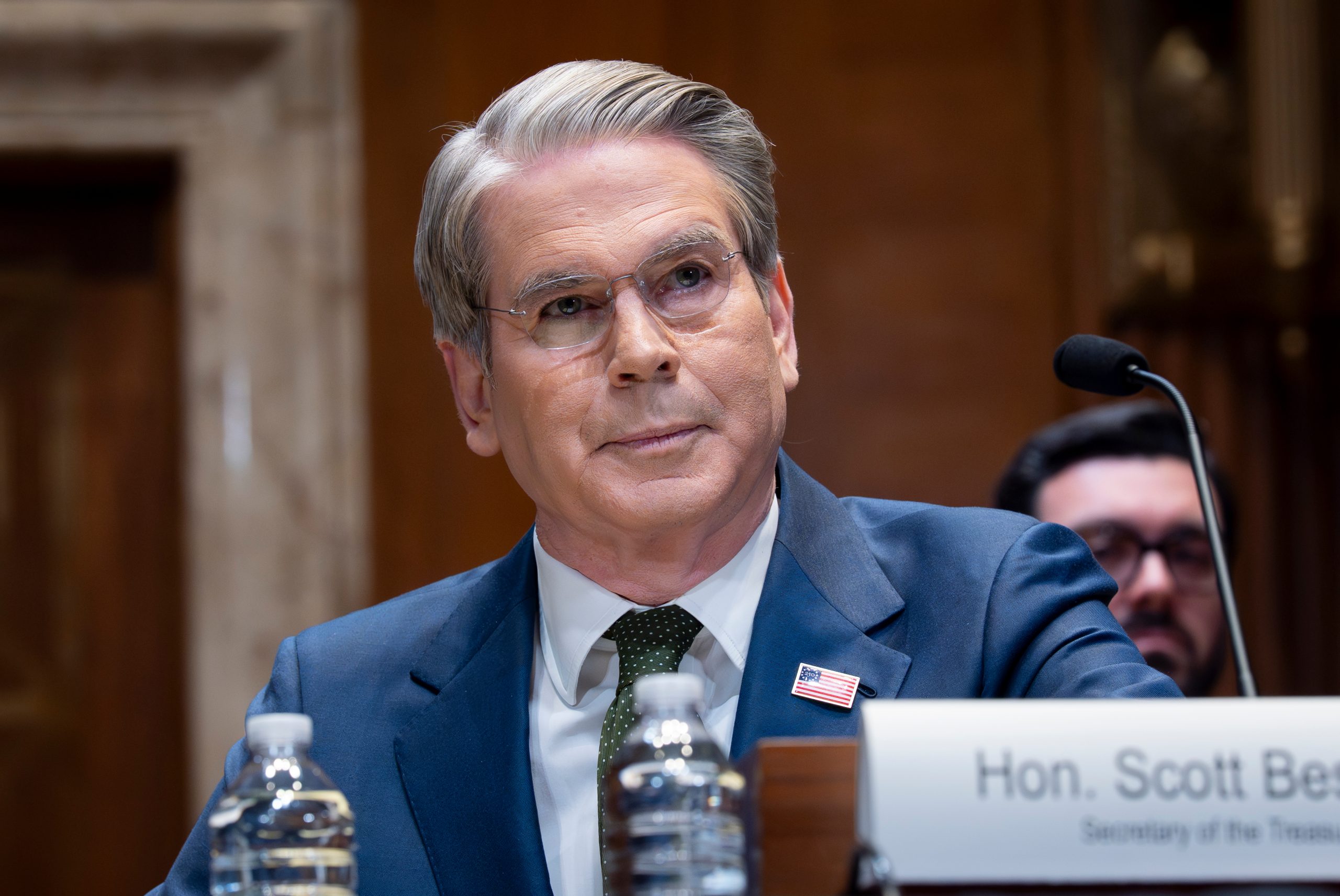
Treasury Secretary Scott Bessent disclosed discussions between the United States and the United Arab Emirates on a currency swap to address the UAE's liquidity issues. The crisis stems from the ongoing war with Iran, which has disrupted regional economies. Bessent noted similar requests from other U.S. allies in the region short on dollars for oil trading.

Washington Monthly
1 source·Apr 26, 5:10 PM(33 days ago)·1m read
U.S. and UAE in Talks on Currency Swap LineSubstrate placeholder — needs review
Audio version
Tap play to generate a narrated version.
Developing·Limited corroboration so far. This page will refresh as more sources emerge.

Washington Monthly reported that Treasury Secretary Scott Bessent publicly disclosed on April 22 that the United Arab Emirates was in discussions with the United States government about a currency swap. The discussions aim to assist the United Arab Emirates amid its liquidity crisis, which was caused by the war with Iran.

U.S. allies in the region have asked for swap lines amid the economic shock of the Iran war. U.S. allies in the region short on dollars, the currency for oil trading. Washington Monthly reported that this shortage occurred as shipping through the Strait of Hormuz has all but stopped.

Key Facts

U.S.-UAE currency swap discussions disclosed
Treasury Secretary Scott Bessent announced on April 22 that the UAE is in talks with the U.S. for a currency swap to address its liquidity crisis from the Iran
Bessent supports swap concept
Bessent expressed support for the currency swap with the UAE and noted similar requests from other regional U.S. allies.
Economic impact of Iran war
The war has caused dollar shortages for oil trading among U.S. allies, with shipping through the Strait of Hormuz nearly halted.

Story Timeline

3 events
  1. 2026-04-22

    Treasury Secretary Scott Bessent publicly disclosed discussions on a currency swap between the U.S. and UAE.

    1 sourceWashington Monthly
  2. Ongoing as of 2026-04-26

    UAE faces liquidity crisis caused by the war with Iran, prompting swap discussions.

    1 sourceWashington Monthly
  3. Recent period amid Iran war

    Multiple U.S. allies in the region request swap lines due to economic shock and dollar shortages.

    1 sourceWashington Monthly

Potential Impact

  1. 01

    Potential stabilization of UAE's liquidity through U.S. dollar access

  2. 02

    Broader support for other regional allies facing similar dollar shortages

  3. 03

    Easing of economic pressures from disrupted oil trade in the region

Transparency Panel

Sources cross-referenced1
Framing risk0/100 (low)
Confidence score70%
Synthesized bySubstrate AI
Word count100 words
PublishedApr 26, 2026, 5:10 PM
Bias signals removed2 across 2 outlets
Signal Breakdown
Loaded 1Speculative 1

Related Stories

Trump Meets Advisers to Decide on Iran Ceasefire ExtensionBBC News
politics1 hr ago

Trump Meets Advisers to Decide on Iran Ceasefire Extension

President Trump said he is holding a Situation Room meeting to make a final decision on a possible deal with Iran. The proposed agreement would extend the ceasefire by 60 days and reopen the Strait of Hormuz.

Al Jazeera
JA
MA
AF
AJ
+6
11 sources
Trump to Decide on Iran Deal in Situation Room Meetingmiddleeasteye.net
politics1 hr ago

Trump to Decide on Iran Deal in Situation Room Meeting

President Trump said Friday he is heading into the Situation Room to make a final determination on a potential agreement with Iran. The proposed deal would reopen the Strait of Hormuz without tolls and require destruction of Iran's highly-enriched uranium.

LI
Just the News
CBS News
3 sources
Vietnam Clears Graves for Trump Organization Project in Hung Yen Provincebenzinga.com
politics1 hr ago

Vietnam Clears Graves for Trump Organization Project in Hung Yen Province

Farmers in Hung Yen province are exhuming family graves to make way for a $1.5 billion Trump Organization development that includes hotels, villas and a golf course. The project, approved last year, has drawn local resistance over compensation levels and relocation of remains.

The Independent
1 source