Substrate
finance

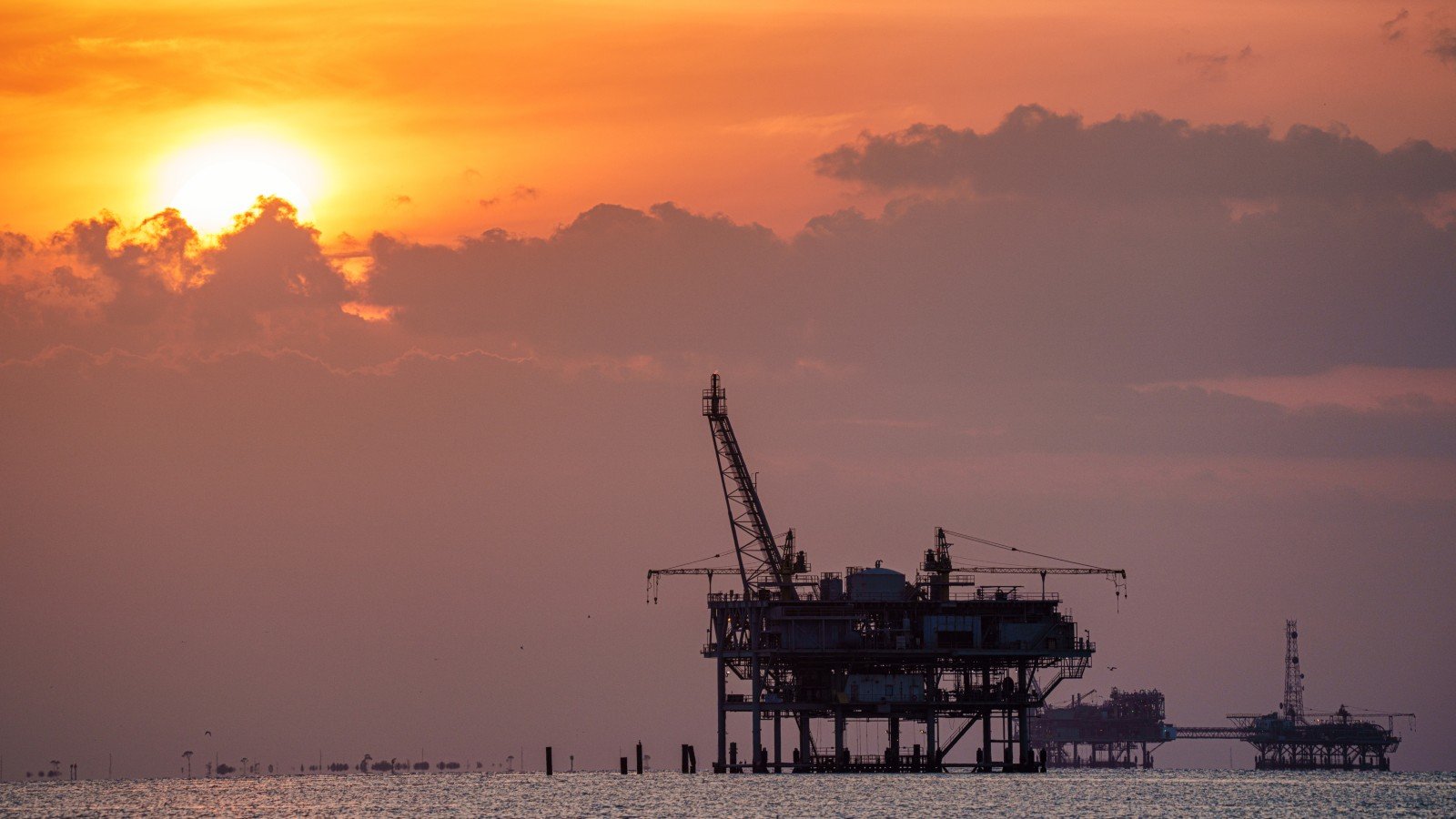
UAE Leaves OPEC to Increase Oil Production

The United Arab Emirates has withdrawn from OPEC after nearly 60 years, aiming to increase its oil output without quota constraints. The move comes amid elevated crude prices above $110 per barrel due to the ongoing U.S.-Iran war and the blockade of the Strait of Hormuz. Experts say this weakens the cartel's market influence, particularly on spare production capacity.

cnbc.com
IA
PE
JA
JK
The New York Times
+9
15 sources·Apr 28, 11:00 PM(7 days ago)·3m read
|
UAE Leaves OPEC to Increase Oil ProductionGB News
Audio version
Tap play to generate a narrated version.

The United Arab Emirates announced its departure from OPEC, effective May 1, allowing it to pursue higher oil production levels independently. The decision enables the UAE to target 5 million barrels per day by next year, exceeding its previous OPEC quota by about 1.5 million barrels.

This exit occurs as Brent crude prices surged above $110 per barrel, driven by supply disruptions from the U.S.-Iran conflict. UAE Energy Minister Suhail al-Mazrouei stated that the timing minimizes disruption to other producers, given the current closure of the Strait of Hormuz.

He emphasized the move aligns with national interests and addresses pressing market needs during the crisis. Oil futures showed little immediate reaction, as the blockade continues to constrain exports.

The UAE's withdrawal removes a key member with significant spare production capacity, second only to Saudi Arabia. Jorge Leon, head of geopolitical analysis at Rystad Energy, noted that the UAE and Saudi Arabia together control most of the world's spare capacity, over 4 million barrels per day.

This loss structurally weakens OPEC's ability to manage supply shocks and influence prices. David Goldwyn, a former State Department energy official, said the exit undermines Saudi Arabia's leadership within the cartel. Analysts indicate this could lead to higher oil price volatility in the long term, especially during future supply gluts.

The UAE's departure therefore removes one of the core pillars underpinning OPEC's ability to manage the market.

Jorge Leon, head of geopolitical analysis at Rystad Energy (cnbc.com)

John Kilduff, founder of Again Capital, described the development as bearish for prices over time, as it erodes the cohesion needed to prevent oversupply. Andy Lipow, president of Lipow Oil Associates, predicted the UAE would maximize production once the Strait of Hormuz reopens. This could flood the market, countering current scarcity driven by the war.

The announcement highlights growing rivalry between the UAE and Saudi Arabia, including disputes over Yemen. Giacomo Luciani, an expert in energy geopolitics, called the exit a manifestation of dissatisfaction with Saudi Arabia. Sources report longstanding tensions, with the UAE seeking autonomy from quotas that limited its low-cost production.

The UAE joined OPEC in 1967 and was its fourth-largest producer. Its departure follows Qatar's exit in 2019, signaling cracks in the cartel's unity. OPEC, which controls about 40 percent of global oil supply and 80 percent of proven reserves, expanded to OPEC+ in 2016 by including Russia.

Saul Kavonic, head of energy research at MST Financial, stated the loss represents about 15 percent of OPEC's capacity. He suggested this could mark the beginning of the end for the organization. The group has historically influenced global events, such as the 1973 oil shock after the Yom Kippur War.

Crude prices have faced upward pressure from the U.S.-Iran war, now in its second month, with attacks on Gulf infrastructure. Chevron CEO Mike Wirth said this pressure is likely to continue due to significant supply reductions. The conflict has blocked the Strait of Hormuz, freezing supply chains and ruining critical facilities.

President Trump has accused OPEC of inflating prices in the past. The UAE's move may align with U.S. interests by increasing competition among producers. Michael Brown, senior research strategist at Pepperstone, termed the exit a pivotal event for global energy markets.

When the conflict between the USA and Iran ends and the Strait of Hormuz reopens, I expect that the UAE will produce as much oil as they can, utilizing any spare capacity that they have held in reserve.

Andy Lipow, president of Lipow Oil Associates (cnbc.com)

Despite promises of higher output, experts say immediate impacts are limited by the ongoing blockade. Once resolved, the reopening could coincide with increased UAE production, potentially leading to a supply deluge. This scenario contrasts with current market scarcity, where demand nears a peak.

Helima Croft of RBC noted that the exit does not alter short-term energy fundamentals. However, it shifts calculations for low-cost producers, who see quotas as missed opportunities. The UAE's strategy reflects a bet on post-war market dynamics, prioritizing rapid expansion over cartel constraints.

Key Facts

May 1
UAE exit from OPEC effective date
$110
Brent crude price per barrel post-announcement
5 million bpd
UAE target oil production by next year
15%
OPEC capacity loss from UAE departure
4 million bpd
Global spare oil capacity controlled by UAE and Saudi Arabia

Story Timeline

6 events
  1. May 1, 2026

    The UAE officially exited OPEC, ending its 59-year membership.

    10 sourcescnbc.com · Wired · GB News
  2. Apr 30, 2026 — 1 day ago

    UAE Energy Minister Suhail al-Mazrouei explained the exit decision in a CNBC interview.

    2 sourcescnbc.com
  3. Recent weeks

    Brent crude prices rose above $110 per barrel amid the U.S.-Iran war and Strait of Hormuz blockade.

    5 sourcesGB News · OilPrice.com · cnbc.com
  4. 2019

    Qatar left OPEC, citing a focus on gas and autonomy from Gulf neighbors.

    2 sourcesGB News
  5. 2016

    OPEC expanded to OPEC+ by including Russia to coordinate production.

    2 sourcesGB News
  6. 1967

    The UAE joined OPEC as a founding member.

    3 sourcesGB News · Wired

Potential Impact

  1. 01

    OPEC's ability to manage global oil supply shocks weakens without UAE spare capacity.

  2. 02

    UAE ramps up production to 5 million barrels per day once Strait of Hormuz reopens.

  3. 03

    Oil price volatility increases in future supply gluts due to reduced cartel cohesion.

  4. 04

    Saudi Arabia faces challenges in leading OPEC without UAE as a key ally.

  5. 05

    Rivalry between UAE and Saudi Arabia intensifies over regional energy dominance.

  6. 06

    Global oil markets see downward pressure on prices from increased UAE output post-war.

Transparency Panel

Sources cross-referenced15
Framing risk42/100 (moderate)
Confidence score98%
Synthesized bySubstrate AI
Word count690 words
PublishedApr 28, 2026, 11:00 PM
Bias signals removed5 across 4 outlets
Signal Breakdown
Amplifying 2Speculative 2Loaded 1

Related Stories

Sen. Tim Scott Criticizes Fed Chair Powell's Plan to Stay After Term EndsThe United States Senate - Office of Senator Kelly Loeffler / Wikimedia (Public domain)
finance1 hr agoFraming55Framing risk55/100Lede misdirection foregrounds Scott's criticism over Powell's substantive decision to stay on the Fed board amid investigations, burying the core event.Click to jump to full framing analysis

Sen. Tim Scott Criticizes Fed Chair Powell's Plan to Stay After Term Ends

Republican Sen. Tim Scott criticized Federal Reserve Chair Jerome Powell for planning to remain on the Fed's Board of Governors after his chair term ends on May 15, 2026. Scott said the move breaks 75 years of precedent and suggested it might be aimed at President Trump. Powell c…

cnbc.com
New York Post
RealClearPolitics
3 sources
Samsung Electronics Surges Past $1 Trillion Market Cap as Shares Jump Over 15%upi.com
finance1 hr agoDeveloping

Samsung Electronics Surges Past $1 Trillion Market Cap as Shares Jump Over 15%

Samsung Electronics reached a $1 trillion market capitalization on Wednesday as shares surged more than 15%, driven by strong first-quarter results and AI demand. The company became the second Asian firm to hit this milestone after TSMC. Related stocks like SK Hynix also rose sha…

cnbc.com
Japan Times
2 sources
DOJ Sues to Block Minnesota's Climate Fraud Case Against Energy Companieswinnipegfreepress.com
finance5 hrs agoFraming55Framing risk55/100Lede misdirects by foregrounding DOJ's lawsuit process over the substantive climate fraud allegations against energy companies, burying the core event.Click to jump to full framing analysis

DOJ Sues to Block Minnesota's Climate Fraud Case Against Energy Companies

The U.S. Department of Justice filed a complaint against Minnesota officials to block a 2020 state lawsuit accusing energy companies of misleading the public on climate change. The action follows a 2025 executive order by President Trump directing federal intervention in such cas…

The New York Times
ZeroHedge
2 sources