world
UAE Oil Chief Says Full Flows Through Strait of Hormuz Unlikely Before 2027
Sultan Al Jaber, chief executive of ADNOC, said full oil flows through the Strait of Hormuz are unlikely to resume before the first or second quarter of 2027. The assessment came at an Atlantic Council event on Wednesday.
May 21, 7:29 AM·1m read1 source
 The Independent
Audio version
Tap play to generate a narrated version.
Full oil flows through the Strait of Hormuz are unlikely to resume before the first or second quarter of 2027, even if the current Middle East conflict ends immediately, the chief executive of the United Arab Emirates' state oil firm said. Sultan Al Jaber, the CEO of ADNOC, said it would take at least four months to reach 80 percent of pre-conflict flows even if the conflict ended immediately.
Full flows would not return before the first or second quarter of 2027, he added.
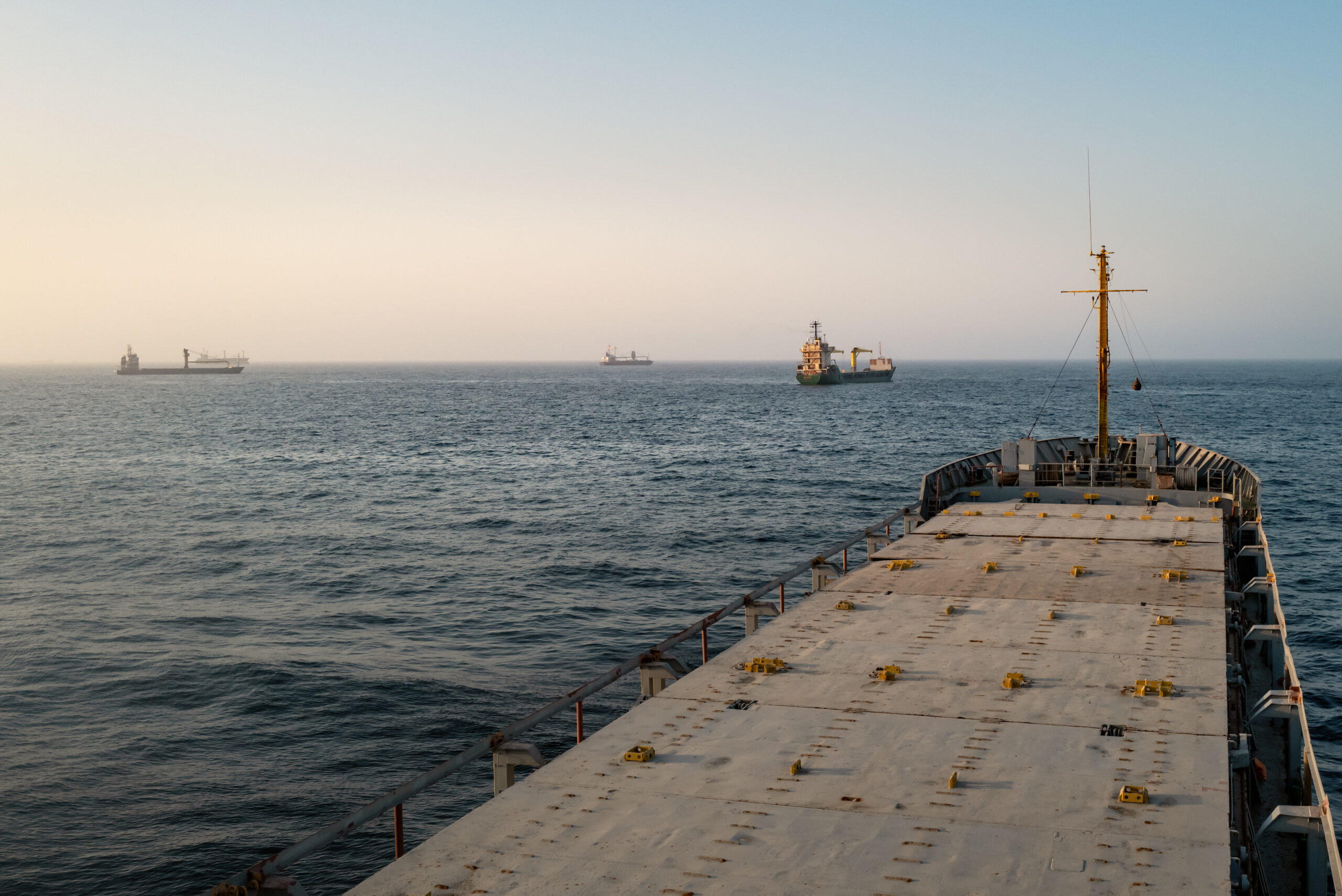
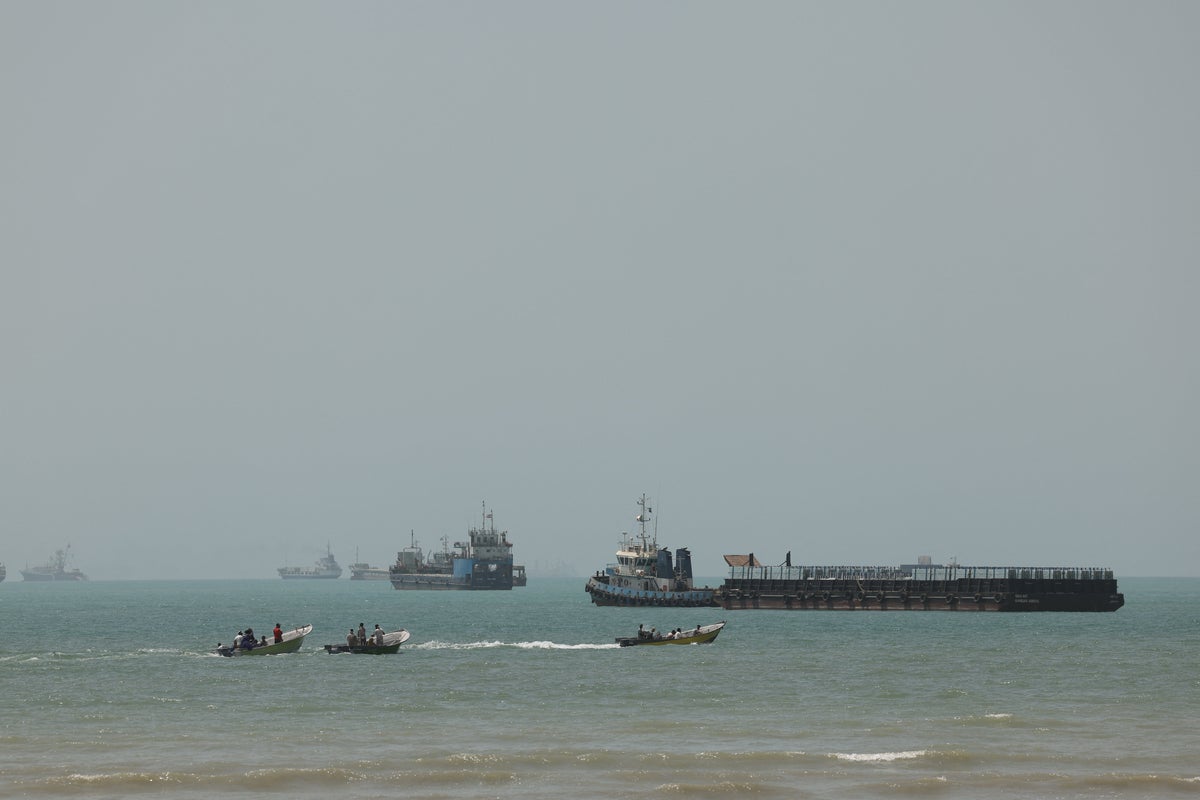
The International Energy Agency has described the situation as the largest ever energy crisis because of the near-closure of the strait. The waterway carries approximately one-fifth of the world's oil supply. Iran has established de facto control over the strait through checkpoints, vetting procedures, and fees, Reuters reported on Tuesday.
Tehran began attacking vessels after the US-Israeli assault against Iran began on 28 February.
Jaber said the conflict has produced a 30 percent rise in fuel prices, a 50 percent increase in fertiliser costs, and a 25 percent rise in airfares. He noted that just over 80 days into the conflict, almost 80 countries have taken emergency measures to support their economies.
"This is not just an economic problem. In fact, this sets a dangerous precedent. Once you accept that a single country can hold the world's most important waterway hostage, freedom of navigation as we know it is just finished," he said. Mr Al Jaber urged renewed investment to strengthen global energy resilience.