UAE Leaves OPEC
The United Arab Emirates has withdrawn from OPEC after 60 years, dealing a blow to the oil cartel's influence amid a global energy crisis. Oil prices reached their highest level in four years as US-Iran negotiations stalled, with warnings of prolonged blockades. Experts anticipate worsening fuel shortages over the summer.
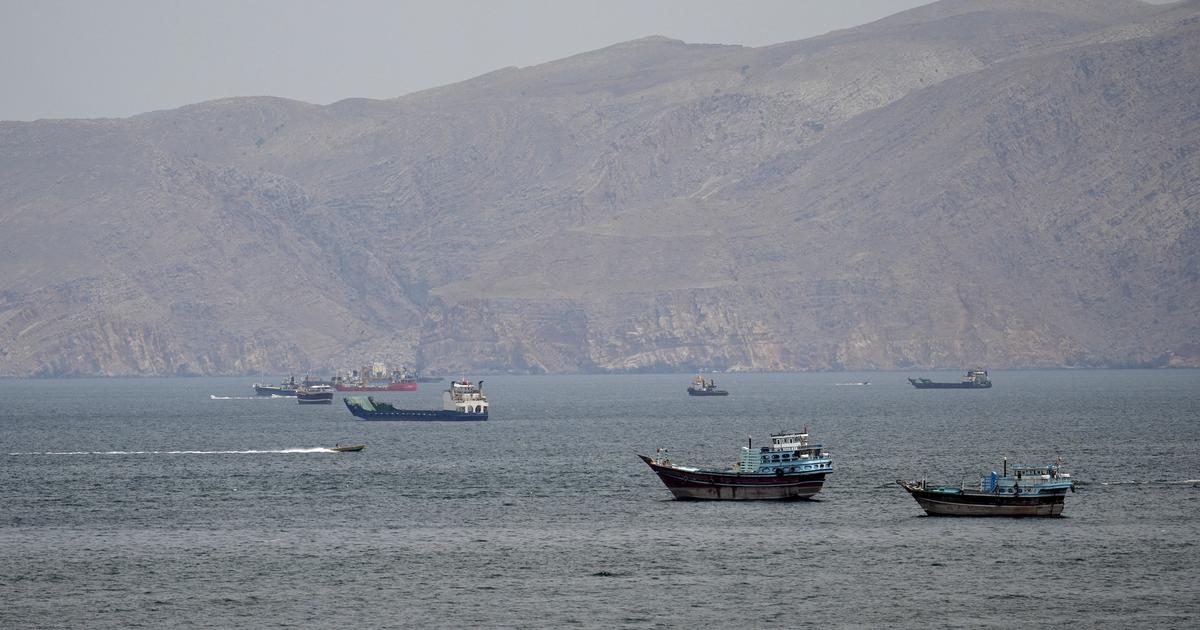
Evnt007 / Wikimedia (CC BY-SA 4.0)The United Arab Emirates has quit the OPEC oil cartel after 60 years of membership, marking a significant shift in global energy dynamics. This departure, from OPEC's third-largest producer, is expected to weaken the group's ability to influence oil prices through collective production decisions.
Multiple sources confirmed the UAE's exit, which comes during the biggest supply crisis in history. Global oil prices surged to their highest level in four years, with Brent prices rebounding amid fading hopes for a resolution to the US-Iran standoff.
Oil topped $125 a barrel this week, driven by expectations of a prolonged interruption of exports from the Persian Gulf. The US blockade on Iranian ports has contributed to these price increases, as negotiations show no sign of progress.
Trump warned that the US blockade on Iranian ports could last for months. Iran's supreme leader declared that the United States had suffered a defeat and rejected the warning. Iran stated it will not capitulate in the face of the blockade.
“Iran 'will not capitulate', conflict resolution expert says" — Oliver McTernan, director and co-founder of Forward Thinking, in an interview with FRANCE 24's Sharon Gaffney (France 24). The dual blockade of the Strait of Hormuz by the US and Iran has halted tanker traffic, exacerbating the crisis. Expectations for a temporary ceasefire leading to a durable settlement have evaporated. During the 1973/74 Arab oil embargo, it took three to six months for full impacts to affect users, leading to economic contraction.”
Global fuel shortages are projected to worsen over the summer as stocks of crude and refined fuels deplete. Oil prices have begun anticipating a more prolonged export interruption from the Persian Gulf. For oil-importing countries, including motorists and airline passengers, the worst impacts may still be ahead.
The UAE's exit leaves OPEC less influential on global oil pricing, according to analysis. The organization has been accused of inflating prices, and the loss of a key member weakens its de facto leader, Saudi Arabia. A permission was granted to transport crude oil and petroleum products between the United States and Canada.
This development occurs amid the broader energy disruptions.
Weafer stated that the UAE's OPEC exit signals the organization's declining grip on oil markets. Oliver McTernan, in discussion with Sharon Gaffney, described the US actions against Iran as a miscalculation and illicit aggression. Betting on rising oil prices has been likened to a high-risk activity, given the market volatility.
The crisis echoes historical embargoes, with potential for economic activity and employment contractions if shortages persist.
Key Facts
Story Timeline
5 events- Today
Oil prices touched their highest level in four years amid stalled US-Iran negotiations.
4 sourcesABC · Semafor · MarketWatch · JKempEnergy - Thursday
Iran's supreme leader declared US defeat and rejected blockade warnings.
1 sourceFrance 24 - This week
Global oil prices topped $125 a barrel.
1 sourceMarketWatch - Apr 28, 2026
UAE quit OPEC after 60 years.
2 sourcesThe Guardian · Al Jazeera - Recent days
President Donald Trump warned US blockade on Iranian ports could last months.
2 sourcesSemafor · France 24
Potential Impact
- 01
Oil-importing countries will face higher fuel costs for motorists and airlines.
- 02
Economic contraction may occur in affected regions due to shortages.
- 03
OPEC's influence on global oil prices will diminish further.
- 04
US-Iran tensions will prolong Strait of Hormuz blockade.
- 05
Saudi Arabia's leadership in OPEC will weaken.
Transparency Panel
Related Stories
Sen. Tim Scott Criticizes Fed Chair Powell's Plan to Stay After Term Ends
Republican Sen. Tim Scott criticized Federal Reserve Chair Jerome Powell for planning to remain on the Fed's Board of Governors after his chair term ends on May 15, 2026. Scott said the move breaks 75 years of precedent and suggested it might be aimed at President Trump. Powell c…
upi.comSamsung Electronics Surges Past $1 Trillion Market Cap as Shares Jump Over 15%
Samsung Electronics reached a $1 trillion market capitalization on Wednesday as shares surged more than 15%, driven by strong first-quarter results and AI demand. The company became the second Asian firm to hit this milestone after TSMC. Related stocks like SK Hynix also rose sha…
winnipegfreepress.comDOJ Sues to Block Minnesota's Climate Fraud Case Against Energy Companies
The U.S. Department of Justice filed a complaint against Minnesota officials to block a 2020 state lawsuit accusing energy companies of misleading the public on climate change. The action follows a 2025 executive order by President Trump directing federal intervention in such cas…