Ugandan Opposition Figure Bobi Wine Describes Artistic Influences on His Politics
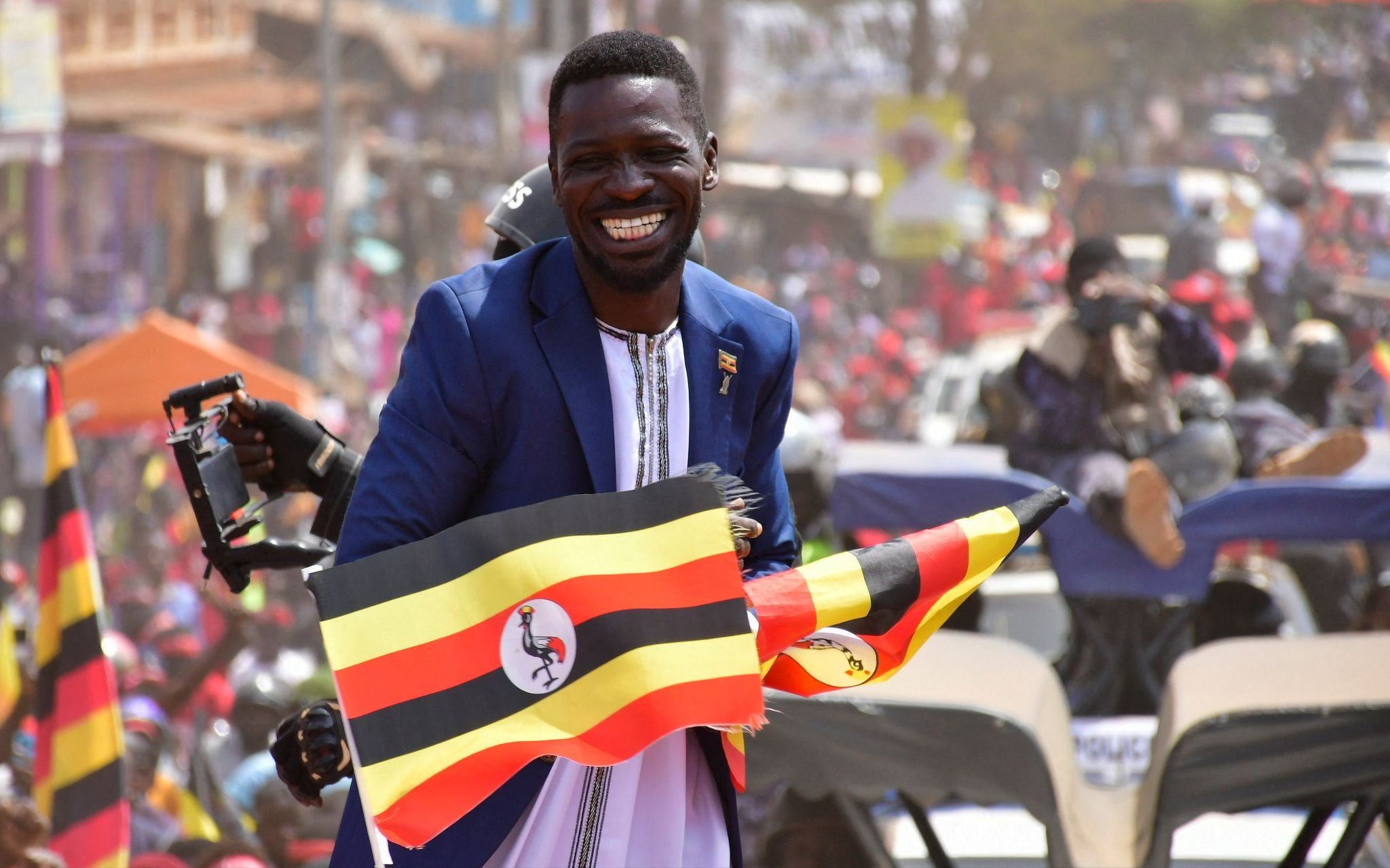
Bobi Wine, a pop star turned opposition politician, said his political vision draws from African literature and music. He spoke in an interview while in self-imposed exile in the United States following Uganda’s disputed January election. Wine stated that art remains central to dissent despite censorship under President Yoweri Museveni.
 Semafor
Ugandan opposition figure Bobi Wine said his political vision is shaped by African literature and music. In an interview, he pointed to works such as Chinua Achebe’s Things Fall Apart and writings by Kenya’s Ngũgĩ wa Thiong’o as key influences. Bobi Wine, whose real name is Robert Kyagulanyi Ssentamu, is in self-imposed exile in the United States.
He left Uganda after facing escalating security threats following the country’s disputed January election. Wine explained how he communicates with ordinary Ugandans, many of whom engage more with performance than with printed material. “They don’t read as much as before — they listen, they dance and that’s where I deliver my message,” he said.
He added that the approach shows art remains central to dissent despite censorship under Ugandan President Yoweri Museveni.
Wine rose to prominence as a popular musician before entering politics. He has used his artistic platform to reach audiences in Uganda where traditional political messaging has faced restrictions. The opposition figure continues to speak publicly from exile about the role of creative expression in political movements across Africa.
Key Facts
Story Timeline
3 events- May 6, 2026
Bobi Wine gave interview outlining artistic influences on his politics.
1 sourceSemafor - January 2026
Uganda held disputed election that prompted Wine to flee the country.
1 sourceSemafor - 2026
Wine entered self-imposed exile in the United States.
1 sourceSemafor
Potential Impact
- 01
Wine continues public statements on art and politics from exile in the US.
- 02
Opposition messaging in Uganda may continue to rely on performance media.
- 03
International audiences gain direct perspective from Ugandan opposition figure.
Transparency Panel
Related Stories
 The Guardian
WHO Chief Visits DRC as Ebola Death Rate Reaches 30-50%
World Health Organization director-general Tedros Adhanom Ghebreyesus arrived in the Democratic Republic of the Congo to support containment of a new Ebola outbreak. The agency revised the death rate to 30-50% based on confirmed cases and recorded 10 confirmed and 223 suspected d…
 westernjournal.com
Greek National Charged in UK With Aiding Iran-Linked Intelligence Service
A 46-year-old Greek man living in Germany was charged under the UK National Security Act with assisting an intelligence service believed to be Iran by targeting a journalist at Iran International.
 physicianonfire.com
Bilt Rewards reports $1 billion revenue target for 2026
Bilt Rewards CEO Ankur Jain said the company's flagship credit card accounts for less than 11 percent of revenue. The firm now processes more than $100 billion in annual housing spend across one in four U.S. apartment buildings.