world
UK Climate Committee Recommends Workplace Temperature Limits and Cooling Measures
The Climate Change Committee has called for maximum workplace temperature rules and expanded cooling systems in public buildings and homes. The report estimates adaptation costs at £11 billion per year through 2050 while current climate impacts already cost up to £60 billion annually.
 The Independent
Audio version
Tap play to generate a narrated version.
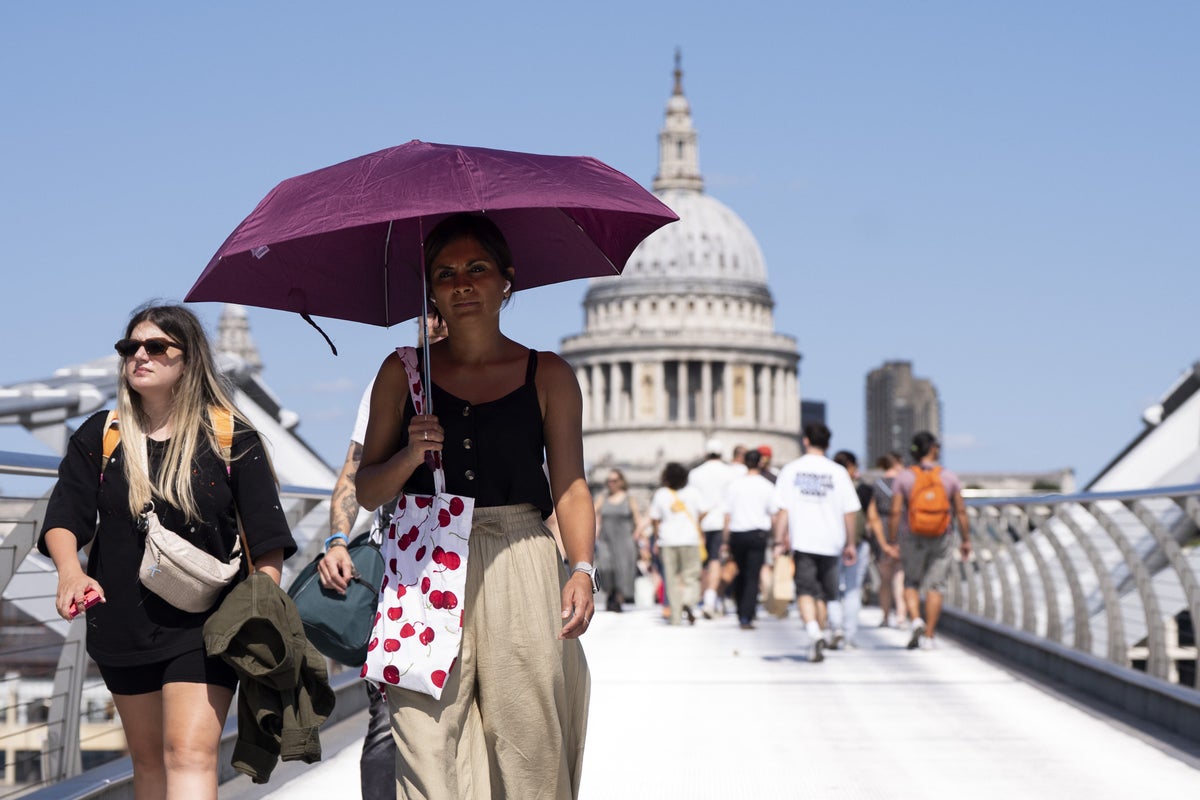
The advisory Climate Change Committee has recommended that the UK government introduce mandatory maximum temperature regulations for workplaces and install cooling systems in hospitals, care homes, and homes of vulnerable people. The committee also advised considering adjustments to the school calendar so national exams are not held during periods of extreme summer heat.
Baroness Brown, chairwoman of the CCC’s Adaptation Committee, said pupils may not have been able to sleep properly and are “absolutely not at their best” during such conditions.
4C due to human activities and projects that temperatures could reach 2C above pre-industrial levels by 2050, with a risk of 4C warming by 2100 under worst-case scenarios. Without additional adaptation measures, the committee estimates up to 10,000 excess deaths per year from heatwaves in the 40Cs by mid-century.
It also projects that heavy rainfall could become more intense, sea levels could rise 20-45cm, and peak river flows could nearly double, increasing flood risk. The committee warned that water shortages of up to five billion litres a day could become common by 2050.
The CCC estimates that investing to protect the UK from climate change will cost around £11 billion a year of public and private money through 2050. Current climate impacts are already costing up to £60 billion a year in flood damages, crop losses, excess deaths, productivity decreases, and disruption to transport and health services.
2 billion across the UK. It recommends that new homes not be built in undefended flood-risk areas and that data centres be located where they will not increase regional drought risk.
Trade unions have endorsed the call for a workplace temperature cap. The GMB union noted the current inconsistency of having a minimum temperature standard without a corresponding legal limit for heat. Lib Whitfield, GMB senior organiser, said the union has long campaigned for a maximum heat limit of 25C.