technology
UK Government Signs Agreement With Wayve to Advance Self-Driving Car Technology
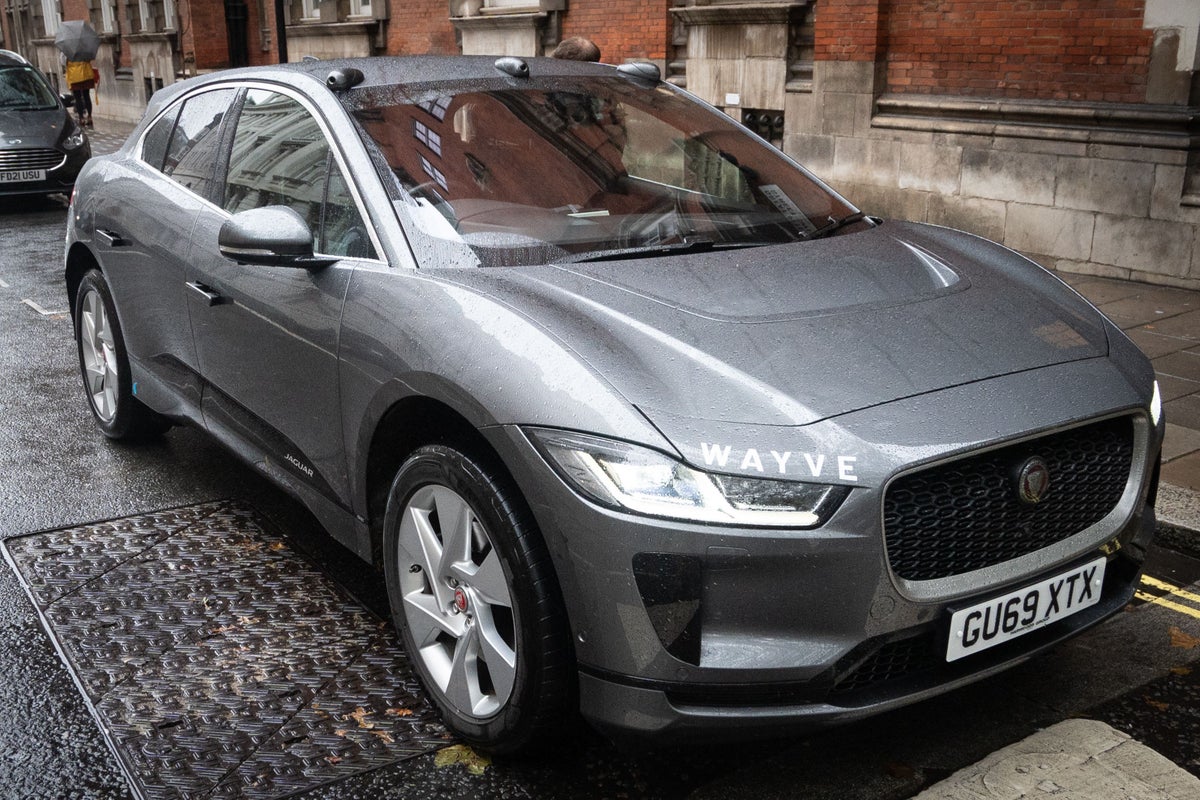
Wayve has signed a memorandum of understanding with the UK government to share research on self-driving vehicles. The agreement aims to support responsible deployment of the technology. The company plans to launch robotaxi trials in London in 2026.
May 12, 9:05 AM·1m read1 source
 The Independent
Audio version
Tap play to generate a narrated version.
Developing·Limited corroboration so far. This page will refresh as more sources emerge.
Wayve has reached an agreement with the UK government to develop self-driving car technology in the country. The memorandum of understanding focuses on sharing research to support responsible deployment of self-driving cars, according to the Department for Business and Trade.
Business Secretary Peter Kyle said the partnership demonstrates that the government is backing high-growth British scale-ups.
The agreement forms part of the government's modern industrial strategy to turn research into real-world applications. The company plans to launch self-driving taxis in London later this year through a partnership with Uber. It intends to begin commercial robotaxi trials in the city in 2026.
Wayve aims to deploy its supervised autonomy software in consumer vehicles from 2027. The company's technology relies on artificial intelligence models that learn to drive from video content, driving data and pattern recognition. US rival Waymo has also announced plans to offer driverless private hire vehicles in London from next year.
" — Peter Kyle (The Independent) Wayve co-founder and chief executive Alex Kendall said the company shares the government's ambition to drive economic growth through the self-driving vehicle sector in the UK and globally. Kendall added that strengthening domestic capabilities will anchor high-value manufacturing in the UK, create thousands of skilled jobs across the supply chain and support the future of the automotive industry.
The partnership comes as the self-driving sector prepares for expanded commercial operations in major cities.