Unbiased AI-powered news
The UK government announced measures allowing airlines to merge passengers onto fewer flights and temporarily return airport slots without penalty over the summer, responding to elevated jet fuel prices from the Middle East war. Jet fuel costs hit $179 per barrel amid the Strait of Hormuz blockade. Officials stated no immediate supply issues exist, but Europe may face shortages by June.
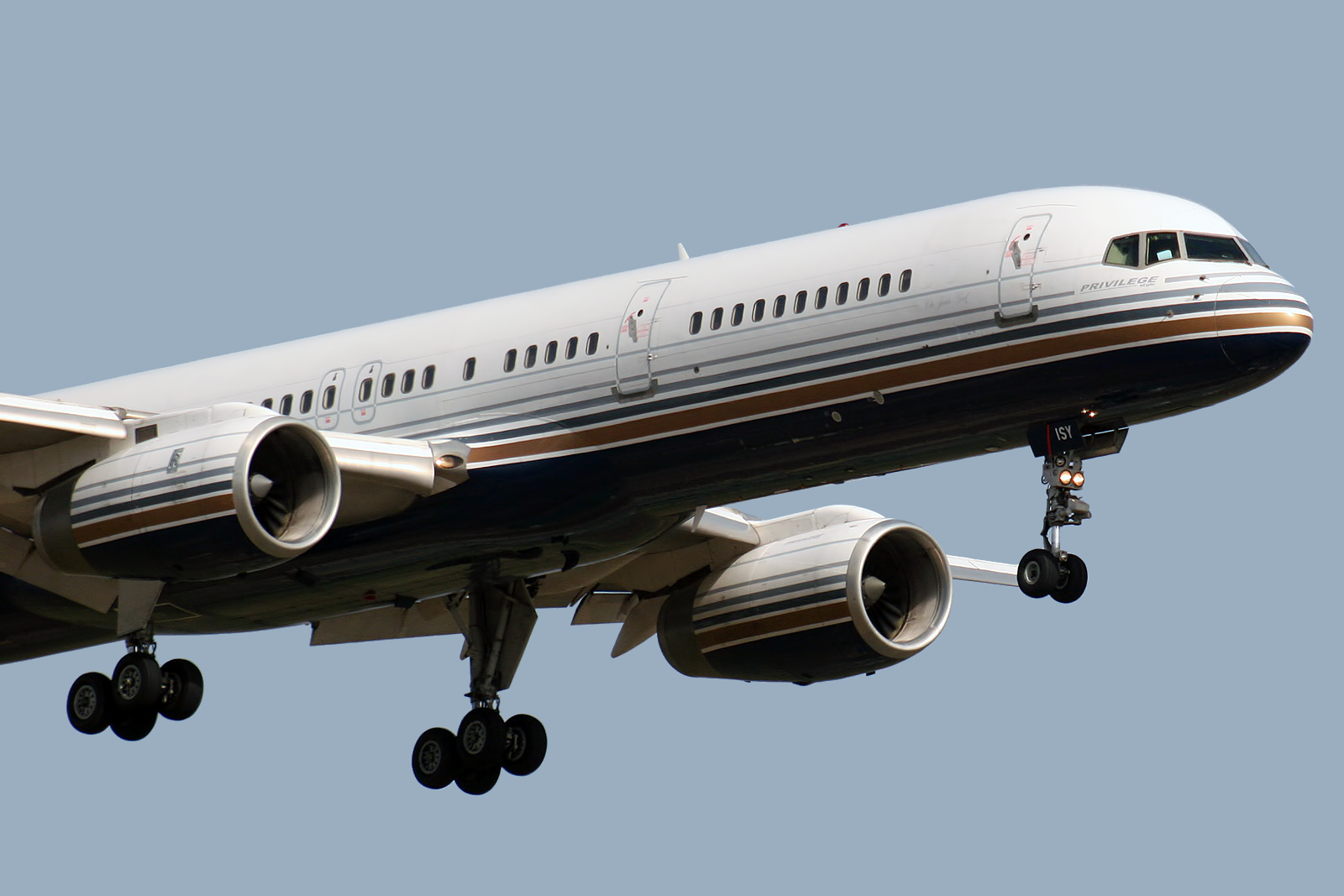
theolivepress.esThe UK government announced on Sunday plans to temporarily allow airlines to consolidate passengers onto fewer planes over the summer holiday season, aiming to prevent last-minute cancellations as jet fuel prices remain high due to the Middle East war.
The measures also permit carriers to give back some take-off and landing slots without losing them the following season. These steps come as the average price of jet fuel surged to $179 per barrel for the week ending April 24, according to the International Air Travel Association's Jet Fuel Price Monitor.
The war in the Middle East began on February 28, leading to the blockade of the Strait of Hormuz, which has blocked jet fuel supplies from the Middle East from reaching Britain. Britain imports roughly 65 percent of its jet fuel, with a substantial portion typically arriving from the Middle East.
The UK government is asking its four domestic refineries to maximise jet fuel production and is importing more jet fuel from the US and the west coast of Africa, as stated by UK Transport Secretary Heidi Alexander.
UK Transport Secretary Heidi Alexander said the government has been monitoring jet fuel supplies daily since the closure of the Strait of Hormuz. She added that there are no immediate supply issues with jet fuel. 'We're preparing to give families long-term certainty and avoid unnecessary disruption at the departure gate this summer,' Alexander said.
The International Energy Agency warned that Europe could face jet fuel shortages by June unless alternative sources are secured. Under current regulations, carriers must use their allocated airport slots at least 80 percent of the time during a season or risk losing them.
The government's new plan allows carriers to temporarily return unused slots while preserving their rights for the following year.
The legislation aims to let carriers cancel flights at least a fortnight in advance. 'These temporary measures would allow airlines to, for example, consolidate schedules on routes where there are multiple flights to the same destination on the same day,' the UK government said in a statement.
The plan would also prevent carriers from running flights which have not sold a significant proportion of tickets and reduce wasted fuel from flying near-empty planes.
Tim Alderslade, CEO of Airlines UK, said UK airlines continue to operate normally and are not experiencing issues with jet fuel supply. He added that the plan would allow carriers to avoid unnecessary flying and continue operating as efficiently as possible while protecting connectivity for passengers and trade.
Passengers whose flights are severely delayed or cancelled are entitled to rebooking on alternative flights or a refund under existing rules. They are also entitled to food, drink, and overnight accommodation when required. Financial compensation is available to passengers if significant flight disruption occurs under existing rules.
Ryanair CEO Michael O'Leary spoke to CNBC on Thursday, stating that Ryanair hedged 80% of its fuel. He predicted real failures for other airlines if the price of jet fuel did not fall. US budget carrier Spirit Airlines shut down on Saturday after failing to secure an agreement with bondholders on an 11th-hour bailout from the Trump administration.
The contingency preparations are designed to give families greater confidence when travelling this summer by enabling airlines to plan realistically and lock in schedules earlier, the UK government said. Airlines would be allowed to move passengers onto similar services much earlier, helping avoid stressful delays at the airport.
The UK imports about 65% of the jet fuel it uses, with a significant portion of the UK's jet fuel coming from the Middle East under normal circumstances.
Alexander said she was confident most people travelling this summer would have a similar experience to last year, noting that there may be a need for airlines to trim their schedules slightly. The rules as they stand are contained in the Airports Slot Allocation Regulations 2025, which incorporated the EU's rules into UK law.
Carriers have become increasingly concerned about what would happen to their slots if they have to respond to fuel shortages in the coming months. In late April, the government said new guidance for airlines made clear they would not lose their slots if a lack of fuel prevented them from flying.
The new plan goes further by letting carriers hand back unused slots temporarily while retaining the right to use them the following year.
theiranproject.comSyrian President Ahmad al-Sharaa stated that Iran gained the most from the recent conflict, describing the war as containing multiple mistakes in its objectives and formation.
middleeasteye.netIran fired missiles at Israel for the first time since the April ceasefire, hours after Israel struck Beirut’s Dahiyeh district. Alerts sounded across Tel Aviv as residents moved to shelters.
washingtonpost.comEva Clarke, Hana Berger-Moran and Mark Olsky were born to Jewish mothers who hid their pregnancies at Auschwitz and survived a 16-day death train to Mauthausen.