finance
UK Issues Licenses Allowing Imports of Diesel and Jet Fuel Processed from Russian Oil
The United Kingdom on May 19 issued licenses permitting imports of diesel and jet fuel made from Russian crude processed in third countries. A separate license covers maritime transport of LNG from two Russian terminals until January 2027.
May 19, 5:38 PM·1m read4 sources
JA
 +1
+1
 The Kyiv Independent
Audio version
Tap play to generate a narrated version.
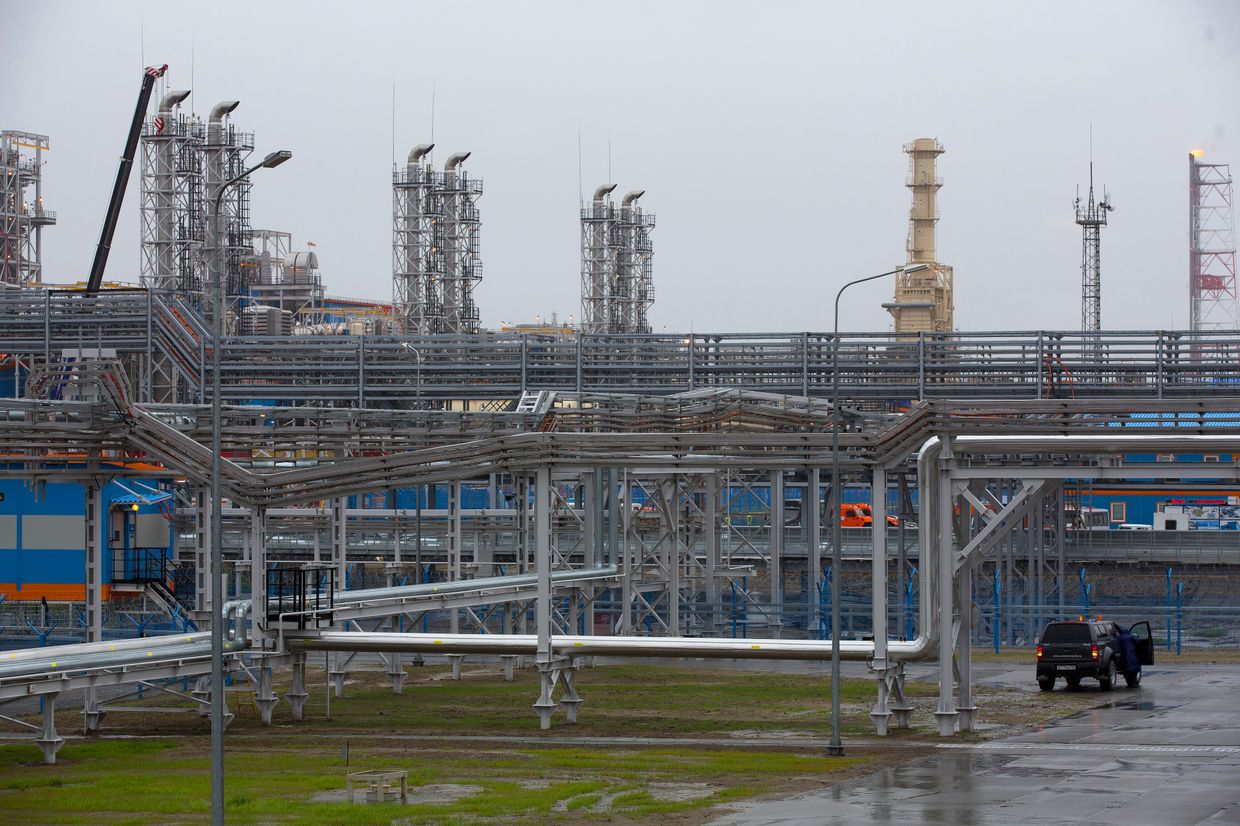
The United Kingdom on May 19 issued a general trade license authorizing imports of diesel and jet fuel processed from Russian crude in third countries. The license takes effect May 20 and remains in force indefinitely unless revoked or suspended. A separate license issued the same day permits the maritime transport of liquefied natural gas from Russia's Sakhalin-2 and Yamal LNG terminals.
That license expires January 1, 2027.
The diesel and jet fuel license covers products falling under specific commodity codes after processing outside Russia. It exempts qualifying shipments from prohibitions in the Russia (Sanctions) (EU Exit) Regulations 2019. The LNG transport license applies only to deliveries by ship from the two named terminals.
Both licenses require compliance with record-keeping rules and prohibit any action that would breach other sanctions provisions.
U.K. government spokesperson told the BBC the measures balance sanctions enforcement with protection of critical supply chains and market stability. The licenses were issued one day after the United States extended its own sanctions waiver on Russian oil. -Israeli conflict with Iran. Jet fuel costs have increased, contributing to higher airfares and travel disruptions.
U.K. defense attaché to Kyiv and Moscow, described the decision as cynical but understandable. He noted it undercuts the United Kingdom's leadership role in the coalition of the willing supporting Ukraine. Alexander Kirk of the NGO Urgewald said Russian state media is already presenting the waivers as evidence that Western resolve weakens when fuel prices rise.
He warned the political signal to Moscow could be read as weakness. U.K. action. The G7 issued a statement the same day reaffirming pressure on Russia's energy sector and actions against third-country entities supporting the war effort. Ukraine has continued strikes on Russian energy infrastructure, including a Lukoil refinery and an oil pumping station hit on May 18-19.