politics
UK Prime Minister Starmer Criticizes Trump Over Iran War's Economic Effects on Energy Prices
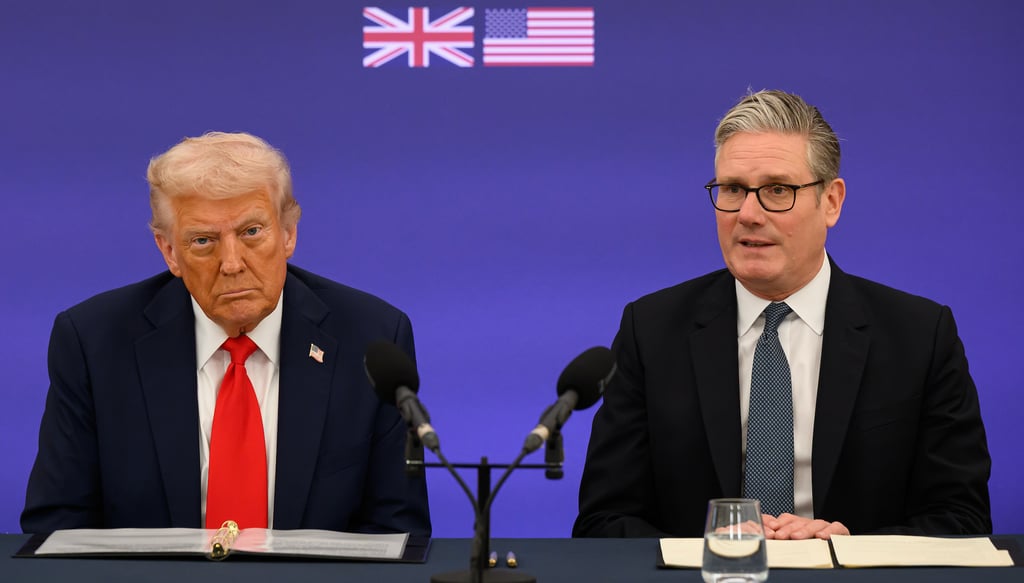
British Prime Minister Keir Starmer expressed frustration with U.S. President Donald Trump's actions in the Iran war, linking them to rising energy costs in the UK. He called for greater energy independence and European resilience amid a temporary cease-fire. European leaders have distanced themselves from U.S. policy, emphasizing diplomacy to reopen the Strait of Hormuz.
Mar 24, 6:44 AM·2m read23 sources

 +3
+3
 Time
TimeAudio version
Tap play to generate a narrated version.
Efforts and Cease-Fire A temporary cease-fire was agreed upon earlier in the week, halting active hostilities.
A leader arrived in Qatar, concluding a three-day visit to Gulf states focused on reopening the Strait of Hormuz. During talks, emphasis was placed on regional involvement, particularly from Gulf states neighboring Iran, to sustain the cease-fire. The situation was discussed with the U.S. president, conveying perspectives from Gulf leaders.
The U.S. president criticized Iran's handling of the Strait, responding to reports of possible tolls for passage by stating they must stop. Iran maintains control over the waterway despite the cease-fire.
“I had a discussion with the U.S. president last night and set out to him the views of the region here, these Gulf states are the neighbours of Iran, and therefore, if the ceasefire is to hold, and we hope it will, it has to involve them.”
Reactions and Transatlantic Tensions European leaders have expressed concerns over the war's impact on global stability and the economy. The conflict has strained the UK-U.S. special relationship and broader Europe-U.S. alliance. Threats to withdraw from NATO and criticism of non-participating nations have prompted European calls for restraint and a permanent end to the fighting.
A Danish foreign minister adopted a cautious stance on the cease-fire. A European Commission's high representative for foreign affairs called it a step back from escalation. A Spanish prime minister criticized the war's chaos and destruction, refusing U.S. military access to airbases and closing airspace to U.S. aircraft in late March.