UK Raises EV Home Charger Grant to £500 but Scheme Ends March 2027 and Many Councils Still Ban Cross-Pavement Installs
The government increased the grant from £350 to £500 and extended it through March 2027. Planning changes from 2025 also eased installation rules for off-street chargers in England.
 The Independent
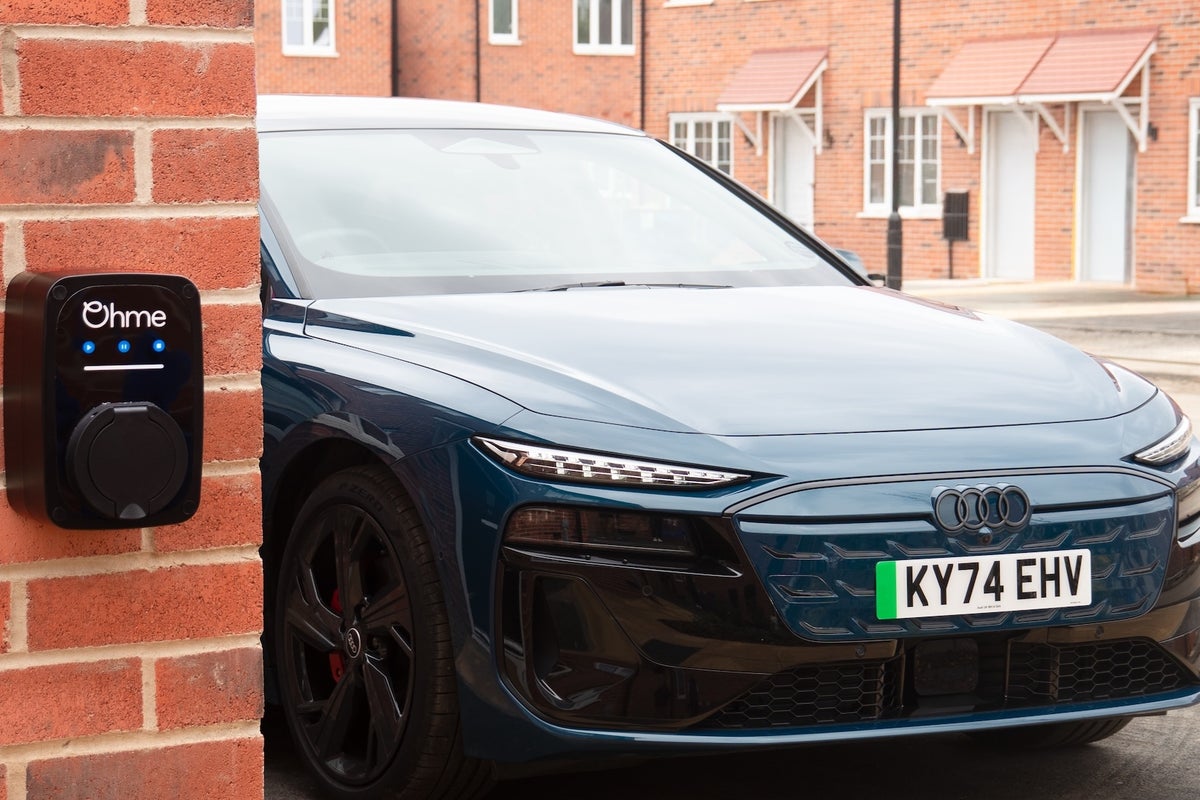
The UK Government raised the EV home charger grant from £350 to £500, a sum it says could cover almost half the cost of a typical installation. The higher grant runs until March 2027, which officials expect will be the final year of the scheme. Households with on-street parking can now claim up to £500 if they install an approved cross-pavement charging solution such as a cable channel or gully.
The grant covers 75 per cent of the cost of buying and installing a socket, up to the £500 maximum. Temporary solutions such as cable covers or mats do not qualify. Applicants must obtain permission from their local highways authority before any cross-pavement work begins.
The Government has consulted on further planning changes that would bring approved cross-pavement solutions under permitted development rights, removing the need for a separate planning application in some cases. Planning rules already relaxed in 2025 made it easier to install off-street EV charge points in England by removing some limits on where wall-mounted chargers can be placed.
The changes cut the need for planning applications in certain cases for both homes and businesses.
The Government is also simplifying the grant system from eight types down to five. Schools can claim up to £2,000 per socket, and landlords can claim support across eligible properties. Aviation, Maritime and Decarbonisation Minister Keir Mather said the measures aim to make EV ownership affordable for families, flat owners, renters and small businesses.
He noted that home charging can cost as little as 2p a mile and that EV drivers could save up to £1,400 in running costs compared with a similar petrol car when using cheaper domestic electricity rates. Mel Lane, CEO at Pod Point, welcomed the extension and increase, saying access to affordable charging is a crucial part of the transition for renters, landlords, flat owners and businesses.
Not every council will approve cross-pavement solutions.
The Royal Borough of Kensington and Chelsea stated it does not allow cross-pavement charging.
Transparency
Reported by a single outlet. This score reflects source tier and factual specificity — corroboration is limited with one source.
Story details
Related Stories
 thehindu.com
Five Eyes agencies report Chinese military intelligence LinkedIn recruitment
Intelligence services from the U.S., Australia, Canada, New Zealand and Britain issued a joint alert stating that Chinese military intelligence is using fake profiles and job offers on professional networking sites to target government and military personnel with security clearan…
 nbcnews.com
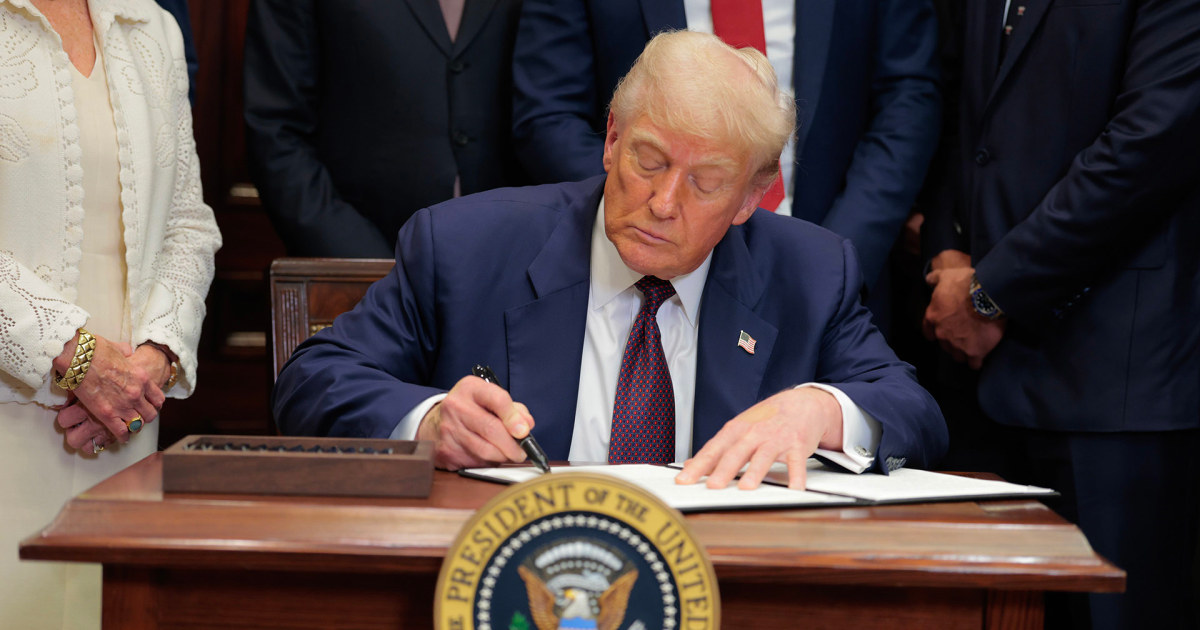
Trump Signs Executive Order for Voluntary AI Model Testing
President Trump signed an executive order creating a voluntary 30-day government testing process for AI models. OpenAI CEO Sam Altman will meet with White House officials and congressional leaders on Wednesday to discuss the policy.
 The Independent
UK CMA Orders Google to Let Publishers Opt Out of AI Search Features
The Competition and Markets Authority gave Google nine months to implement new rules allowing publishers to block their content from AI-generated search results and AI model training.