Substrate
science

UK Survey Shows Households Stockpiling Cash and Supplies for Emergencies

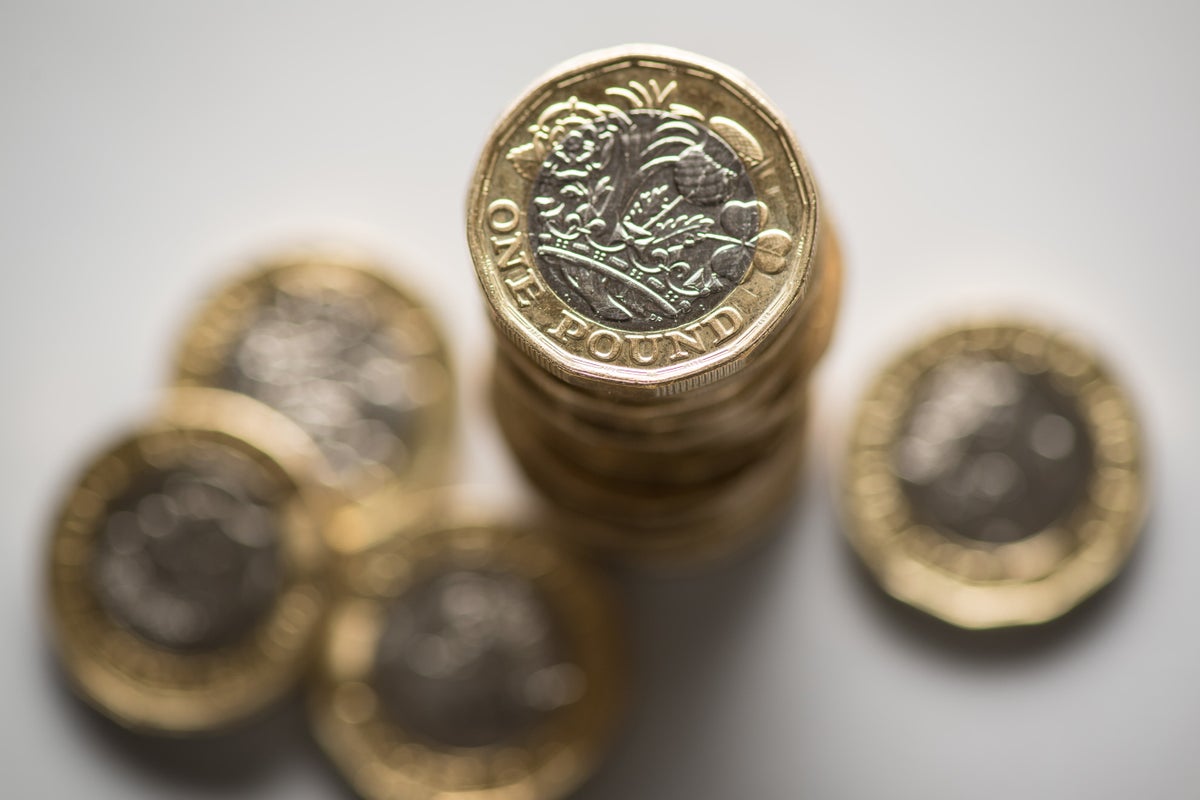
A March survey found 17 percent of UK households keep physical cash at home for emergencies, while nearly half have battery-powered torches and supplies of tinned goods. The research also shows continued decline in cash usage, with 61 percent having used physical currency in the past two weeks. The study examined preparedness for events including cyber attacks, natural disasters and IT failures.

The Independent
1 source·May 13, 7:57 AM(16 days ago)·2m read
UK Survey Shows Households Stockpiling Cash and Supplies for EmergenciesThe Independent
Audio version
Tap play to generate a narrated version.
Developing·Limited corroboration so far. This page will refresh as more sources emerge.

A survey conducted in March has found that a number of households across the UK are storing essential items in preparation for potential crises. The research indicates that people are taking steps to safeguard themselves against major disruptive events such as cyber attacks, natural disasters or widespread IT failures.

Seventeen percent of individuals maintain a stash of cash at home ready for emergencies.

Nearly half, or 49 percent, possess a battery-powered torch, while 47 percent have a supply of tinned goods. Thirty-seven percent ensure they have a charged power bank available to keep mobile phones operational during potential outages. The same survey examined recent cash usage habits.

It found that 61 percent of respondents had used physical currency within the preceding two weeks. This figure has fallen from 69 percent in 2025 and 73 percent in 2024. Contactless cards accounted for 42 percent of in-store payments and using a phone accounted for 30 percent.

Ten percent of people said they are fully cashless. Thirteen percent said they prefer to pay in cash, including 16 percent of those aged 55 and over. Supermarkets, convenience stores, cafes and pubs were the most common places where cash had been used among those who had done so in the past two weeks, along with giving money to friends and family.

Since similar research was carried out in June 2025, there has been a drop in people reporting cash use at convenience stores. Forty-five percent of people surveyed said they find not accepting cash inconvenient. The majority, 56 percent, do not expect to go cashless in the next 12 months.

When asked why they would not go completely cashless, 61 percent cited the importance of low-value and person-to-person payments, while 56 percent said cash is vital in the event of digital payment outages. A spokesperson for the ATM network that commissioned the survey said cash continues to play an important role in the UK's payment landscape.

The spokesperson added that while digital payments are now the first choice for many, millions of people still rely on cash for budgeting, day-to-day purchases, and because they value choice, privacy and control.

The spokesperson noted the growing role of cash in resilience planning. The survey was carried out by YouGov and included more than 2,100 people across the UK.

Key Facts

17% keep emergency cash
at home for crises
49% have battery torch
for potential outages
61% used cash recently
down from 69% in 2025
56% oppose going cashless
in next 12 months
Survey of 2,100+ people
conducted in March

Story Timeline

4 events
  1. March 2026

    YouGov surveyed more than 2,100 people across the UK on cash use and emergency preparedness.

    1 sourceThe Independent
  2. March 2026

    Seventeen percent of respondents reported keeping physical cash at home for emergencies.

    1 sourceThe Independent
  3. 2026

    Sixty-one percent of respondents had used physical cash in the past two weeks.

    1 sourceThe Independent
  4. June 2025

    Previous similar survey on cash usage and preparedness was conducted.

    1 sourceThe Independent

Potential Impact

  1. 01

    Retailers may maintain cash acceptance infrastructure longer than previously anticipated.

  2. 02

    ATM network operators could see sustained demand in areas with higher preparedness levels.

  3. 03

    Households holding physical cash may reduce frequency of bank deposits and withdrawals.

  4. 04

    Increased stockpiling of tinned goods and torches could affect supply chains for those items.

Transparency Panel

Sources cross-referenced1
Confidence score65%
Synthesized bySubstrate AI
Word count381 words
PublishedMay 13, 2026, 7:57 AM
Bias signals removed3 across 2 outlets
Signal Breakdown
Editorializing 1Framing 1Amplifying 1

Related Stories

WHO Director Visits Congo as Ebola Outbreak SpreadsNpr
science4 hrs ago

WHO Director Visits Congo as Ebola Outbreak Spreads

The head of the World Health Organization arrived in Kinshasa to support efforts against a rare Ebola strain. Health workers face equipment shortages, community distrust, and armed conflict in affected provinces.

Npr
France 24
2 sources
FDA Panel Recommends XFG Variant for Fall Covid Shotsmedpagetoday.com
science2 hrs agoDeveloping

FDA Panel Recommends XFG Variant for Fall Covid Shots

Replimune will submit an application to the FDA for the third time. Pfizer and Innovent Biologics reached a collaboration agreement valued at up to $10.5 billion.

Stat
1 source
Benzinga Publishes Article on Biotech Stocks During Pandemic Recoveryfinance.yahoo.com
science6 hrs agoDeveloping

Benzinga Publishes Article on Biotech Stocks During Pandemic Recovery

Benzinga published an article titled 'Best Biotech Stocks Right Now' that addresses the sector's position during global recovery from the pandemic. The piece notes government institutions and professional traders are focusing on biotech companies for vaccine and booster developme…

Benzinga
1 source