Ukraine Drone Strikes Disrupt Fuel Supplies in Russian-Occupied Crimea
Ukrainian drone attacks on roads and bridges linking Russia to occupied Crimea have reduced fuel deliveries and created shortages. Petrol stations now limit sales to 20 litres per customer, and some buses have been taken out of service.
 naturalnews.com
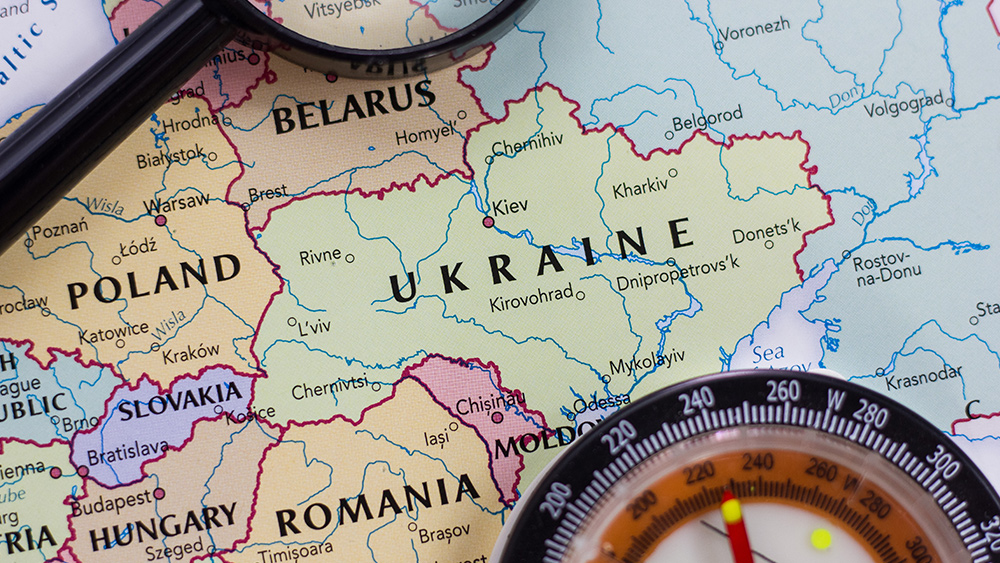
Ukrainian drone strikes on a key motorway and bridge between Rostov and Crimea have cut fuel deliveries to the peninsula. The road serves as the main supply route for Russian forces and civilians in the occupied south. Petrol stations across Crimea now restrict sales to 20 litres per customer using prepaid vouchers.
Videos posted on social media show long queues, with some residents reporting waits of up to 10 hours.
Ukraine has conducted 300 drone strikes on trucks, including 30 tankers, since the start of May, according to analyst Clément Molin. Strikes on 7 June damaged a bridge on the R-280 motorway in northern Crimea, suspending traffic. The sea route to Crimea remains restricted after earlier attacks on ferries, and traffic on the Kerch bridge has been limited by prior strikes.
Officials in occupied Luhansk region have banned bus services on two motorways to Mariupol and Crimea.
The Kremlin-appointed head of Crimea, Sergei Aksyonov, stated on 5 June that demand for fuel could not be fully met. He said hundreds of buses would remain in depots due to shortages. Commander Yevhen Karas of Ukraine's 413th separate battalion said his unit targets Russian fuel storage and transport.
He noted that heavy trucks used by Russian forces are at risk in the area. President Volodymyr Zelensky said nearly 40 percent of Russia's primary oil refining capacity was disabled in May by long-range strikes. Craig Kennedy, an associate at Harvard University's Davis Center, said the campaign has shifted toward smaller distribution networks in occupied regions.