Substrate
world

Ukraine Expands Ground Robot Production for Logistics and Combat Roles

Ukraine is scaling up domestic manufacturing of ground drones to meet rising demand for logistics, rescue, and combat missions. Multiple programs are underway to field new robotic systems on the front lines.

TH
The War Zone
2 sources·May 27, 9:11 PM(1 day ago)·1m read
Ukraine Expands Ground Robot Production for Logistics and Combat Rolesthehindu.com
Audio version
Tap play to generate a narrated version.

Ukraine is accelerating production of ground-based robotic systems as battlefield needs shift toward unmanned logistics, casualty evacuation, and direct combat support.

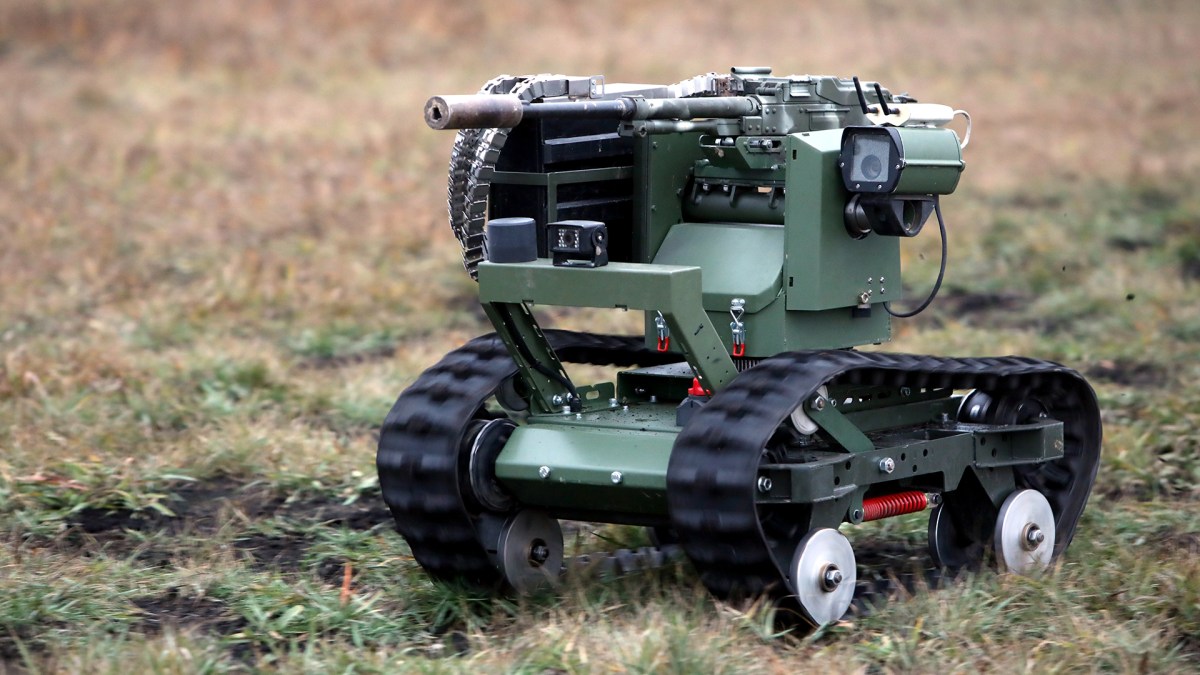
Factories inside Ukraine are now assembling tracked and wheeled platforms designed to carry supplies, tow equipment, and deliver munitions under fire. Output has risen steadily since early 2025 as operators request more vehicles that can operate without exposing personnel.

Ukrainian defense enterprises are also integrating off-the-shelf components with locally produced chassis and armor kits. The approach reduces reliance on imported parts while allowing rapid design changes based on field feedback.

Ground robots currently handle ammunition resupply runs to forward positions and retrieve wounded soldiers when direct human access is blocked by artillery or drones. Several units have been fitted with remote weapon stations for short-range engagements.

Units report that the platforms reduce the number of soldiers needed for routine transport tasks and lower exposure to small-arms fire and loitering munitions.

Developers continue to address vulnerabilities to electronic warfare and the limited range of current battery packs. Engineers are testing hybrid power systems and improved radio links to extend mission duration. Supply of electric motors, cameras, and secure data links remains constrained, prompting efforts to qualify additional domestic suppliers.

>"Ukraine has a voracious demand for ground drones as they increasingly perform logistics, rescue and combat operations.


Key Facts

Ground drones
now perform logistics, rescue, and combat tasks
Domestic factories
assembling tracked and wheeled robotic platforms
Electronic warfare
remains a primary technical vulnerability

Story Timeline

2 events
  1. Early 2025

    Ukrainian factories began scaling assembly of ground robotic platforms.

    2 sourcesThe War Zone · TheWarZoneWire
  2. 2025-2026

    Ground drones took on expanded logistics, rescue, and combat missions.

    2 sourcesThe War Zone · TheWarZoneWire

Potential Impact

  1. 01

    Ukrainian units can reduce personnel exposure during resupply and evacuation.

  2. 02

    Domestic suppliers face pressure to increase output of motors and sensors.

Transparency Panel

Sources cross-referenced2
Confidence score59%
Synthesized bySubstrate AI
Word count228 words
PublishedMay 27, 2026, 9:11 PM

Related Stories

WHO Chief Visits DRC as Ebola Death Rate Reaches 30-50%The Guardian
world2 hrs ago

WHO Chief Visits DRC as Ebola Death Rate Reaches 30-50%

World Health Organization director-general Tedros Adhanom Ghebreyesus arrived in the Democratic Republic of the Congo to support containment of a new Ebola outbreak. The agency revised the death rate to 30-50% based on confirmed cases and recorded 10 confirmed and 223 suspected d…

SK
The Guardian
2 sources
Greek National Charged in UK With Aiding Iran-Linked Intelligence Servicewesternjournal.com
world2 hrs ago

Greek National Charged in UK With Aiding Iran-Linked Intelligence Service

A 46-year-old Greek man living in Germany was charged under the UK National Security Act with assisting an intelligence service believed to be Iran by targeting a journalist at Iran International.

Reuters
BBC News
2 sources
Bilt Rewards reports $1 billion revenue target for 2026physicianonfire.com
world2 hrs agoDeveloping

Bilt Rewards reports $1 billion revenue target for 2026

Bilt Rewards CEO Ankur Jain said the company's flagship credit card accounts for less than 11 percent of revenue. The firm now processes more than $100 billion in annual housing spend across one in four U.S. apartment buildings.

FO
1 source