Substrate
world

Ukrainian Drones Strike Tuapse Refinery Three Times, Causing Fires and Oil Spills

Ukrainian forces targeted Russia's Tuapse oil refinery with drone strikes on April 16, 20, and 28, 2026, leading to fires, oil spills into the Black Sea, and black rain affecting the area. Volunteers and authorities responded with cleanup efforts for beaches, rivers, and animals.

Al Jazeera
1 source·Apr 30, 9:40 AM(29 days ago)·3m read
Ukrainian Drones Strike Tuapse Refinery Three Times, Causing Fires and Oil Spillsdefence.pk
Audio version
Tap play to generate a narrated version.
Developing·Limited corroboration so far. This page will refresh as more sources emerge.

Ukrainian drone strikes targeted the oil refinery in Tuapse, Russia, for the third time on April 28, 2026, prompting the evacuation of the town. The attack followed two earlier strikes on April 16 and April 20, causing extensive fires and environmental damage.

Al Jazeera reported that the refinery, one of the largest in Russia, suffered destruction of at least eight storage tanks by the end of the April 20 attack.

Fires from the April 16 strike lasted two days, while the April 20 blaze burned for five days and produced a massive plume of thick smoke. An analysis of the air around Tuapse after the April 20 strike found concentrations of benzene, xylene, and soot three times above safe levels. Residents were advised to stay indoors, keep windows shut, and wear masks when leaving home.

Black rain fell on parts of Russia over the past couple of weeks before April 30, 2026, coating everything in a layer of black grime. Cleanup volunteer Sergei Solovev, who drove from Sochi, 116 km (70 miles) down the coast, to join the effort, described an unpleasant odour hanging in the air upon his arrival. “I saw train carriages covered in residue from the black rain and animals.

It’s all very toxic,” Solovev told Al Jazeera. The black rain covered all the cars and animals in Tuapse, according to local volunteer Elena Lugovenko.

Volunteers set up animal cleanup centers in Tuapse, collecting distressed animals including cats, dogs, and birds to wash away the oil before sending them to shelters. Spilled petroleum from the Tuapse refinery leaked into the nearby Tuapse River and was carried into the Black Sea, spreading along the coast.

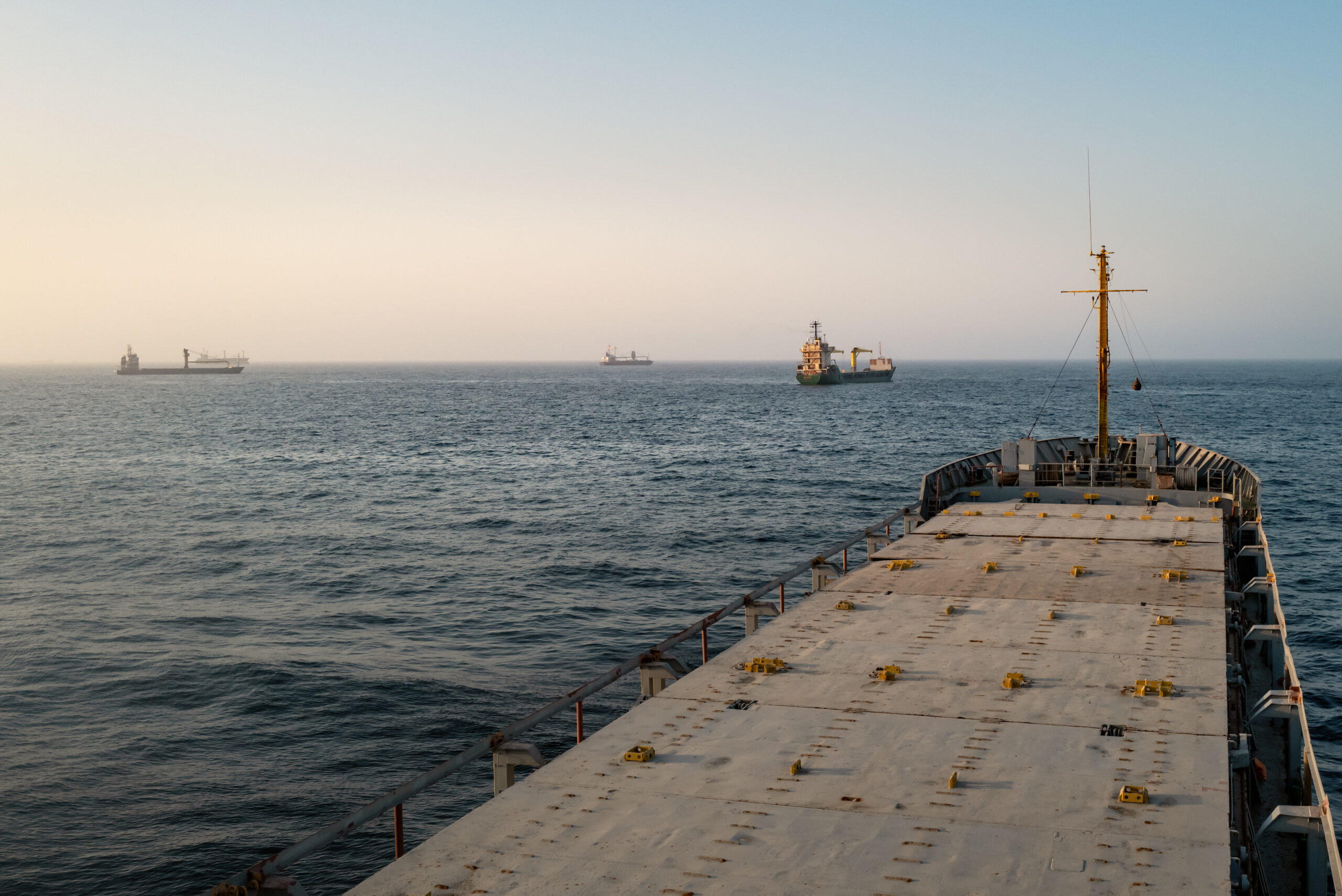
Authorities dispatched more than a dozen boats to clean up the oil slick at sea near Tuapse.

Booms were installed on beaches to contain the spill, while emergency crews and volunteers used excavators to clear the stony beaches, collecting the oil in barrels and plastic bags. “There is oil all over the coastline within a 20-kilometre (12-mile) radius of Tuapse,” Solovev said.

Local environmentalists told the independent Russian media outlet Important Stories that authorities covered some beaches near Tuapse with new pebbles instead of removing the oil mess.

Ruslan Khvostov, chairman of the Green Alternative party, stated that oil products settle in the bottom sediments of the Black Sea, disrupting the food chain. Khvostov added that the oil slick blocks oxygen, causing mass mortality of fish, shellfish, and bottom dwellers.

He stated that biodiversity restoration in the Black Sea will take five to 10 years or longer, as in the case of the 2024 Kerch spill.

Khvostov also noted that toxins accumulate in organisms, threatening birds and marine mammals such as dolphins and bottlenose dolphins. In December 2024, two Russian oil tankers sank during a storm on the Black Sea, spilling thousands of tonnes of petroleum that began washing up near the resort town of Anapa.

Emergency crews and tens of thousands of volunteers, including Sergei Solovev, were dispatched to clean up the spill.

Thousands of dolphins and porpoises have washed up dead ashore as a result of sonar activity from mainly Russian submarines in the Black Sea. In June 2023, the Kakhovka Dam in the Kherson region was destroyed by an explosion while the area was under Russian control.

The destruction caused water contaminated by toxic waste to flood dozens of nearby settlements and released pollutants into the Black Sea.

The flooding destroyed the habitats of animals such as the endangered sandy blind mole-rat, whose almost entire living range was flooded. The fish and other aquatic wildlife in the Kakhovka reservoir mostly perished after the dam's destruction in June 2023. Experts said Russian forces were likely behind the blast that destroyed the Kakhovka Dam.

Moscow denied responsibility for the destruction and blamed Ukrainian saboteurs.

Key Facts

Multiple drone strikes on Tuapse refinery
Ukrainian drones hit the refinery on April 16, 20, and 28, 2026, causing fires and oil spills.
Environmental impact includes black rain and pollution
Black rain coated cars, animals, and surfaces; air analysis showed benzene, xylene, and soot three times above safe levels.
Cleanup efforts underway
Volunteers and authorities deployed boats, booms, and excavators; animal cleanup centers established for affected wildlife.
Long-term ecosystem damage projected
Biodiversity restoration could take 5-10 years; oil disrupts food chain and causes mass mortality of marine life.
Prior incidents in region
2024 tanker spill and 2023 Kakhovka Dam destruction contributed to Black Sea pollution and wildlife deaths.

Story Timeline

6 events
  1. 2026-04-28

    Third Ukrainian drone strike on the Tuapse refinery occurred, leading to town evacuation.

    1 sourceAl Jazeera
  2. 2026-04-20

    Second Ukrainian drone strike on the Tuapse refinery caused a fire lasting five days and destruction of at least eight storage tanks.

    1 sourceAl Jazeera
  3. 2026-04-16

    First Ukrainian drone strike on the Tuapse refinery caused a fire lasting two days.

    1 sourceAl Jazeera
  4. 2024-12

    Two Russian oil tankers sank in the Black Sea, spilling thousands of tonnes of petroleum near Anapa.

    1 sourceAl Jazeera
  5. 2023-06

    Kakhovka Dam destroyed by explosion, causing flooding and pollution in the Black Sea.

    1 sourceAl Jazeera
  6. Ongoing since 2022

    Thousands of dolphins and porpoises washed up dead due to sonar activity from Russian submarines in the Black Sea.

    1 sourceAl Jazeera

Potential Impact

  1. 01

    Increased volunteer and emergency response efforts for cleanup

  2. 02

    Health risks to Tuapse residents from air pollution and toxic exposure

  3. 03

    Long-term disruption to Black Sea biodiversity, including fish and marine mammals

  4. 04

    Economic strain on Russia's oil industry from damaged refinery infrastructure

  5. 05

    Potential escalation of Ukrainian strikes on Russian targets

Transparency Panel

Sources cross-referenced1
Framing risk55/100 (moderate)
Confidence score55%
Synthesized bySubstrate AI
Word count632 words
PublishedApr 30, 2026, 9:40 AM
Bias signals removed4 across 4 outlets
Signal Breakdown
Loaded 4

Related Stories

WHO Chief Visits DRC as Ebola Death Rate Reaches 30-50%The Guardian
world20 min ago

WHO Chief Visits DRC as Ebola Death Rate Reaches 30-50%

World Health Organization director-general Tedros Adhanom Ghebreyesus arrived in the Democratic Republic of the Congo to support containment of a new Ebola outbreak. The agency revised the death rate to 30-50% based on confirmed cases and recorded 10 confirmed and 223 suspected d…

SK
The Guardian
2 sources
Greek National Charged in UK With Aiding Iran-Linked Intelligence Servicewesternjournal.com
world20 min ago

Greek National Charged in UK With Aiding Iran-Linked Intelligence Service

A 46-year-old Greek man living in Germany was charged under the UK National Security Act with assisting an intelligence service believed to be Iran by targeting a journalist at Iran International.

Reuters
BBC News
2 sources
Journalists in Gaza to Receive 2026 Golden Pen of Freedom Awardstraitstimes.com
world2 hrs ago

Journalists in Gaza to Receive 2026 Golden Pen of Freedom Award

Three international news agencies will accept the award on behalf of their local staff still reporting from the territory. The World Association of News Publishers cited the journalists' continued coverage under extreme conditions.

Al-Monitor
AF
2 sources