science
UN Report: Acute Hunger Expected to Worsen in 13 Areas, Improves in Gaza After Ceasefire
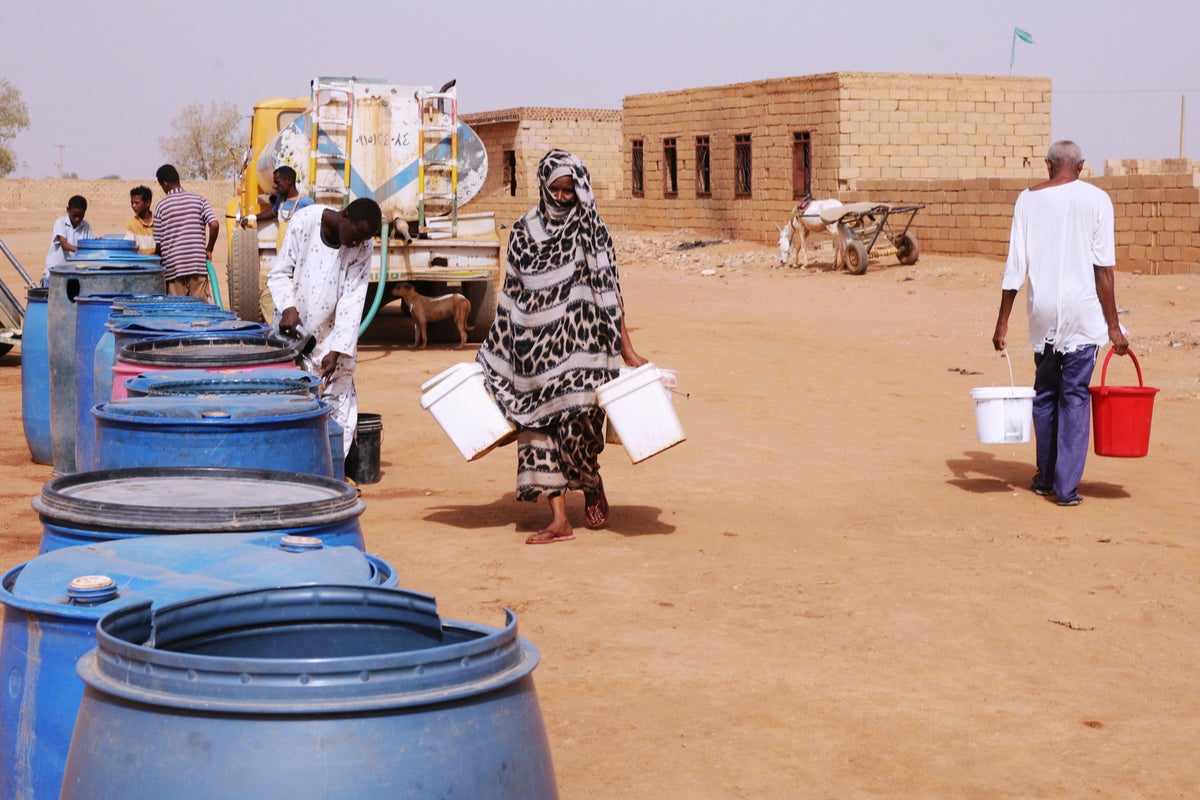
The FAO and WFP report 266 million people already face high levels of acute food insecurity. Conflict, funding cuts, and El Niño are cited as primary drivers.
 The Independent
Audio version
Tap play to generate a narrated version.
Developing·Limited corroboration so far. This page will refresh as more sources emerge.
The Food and Agriculture Organization and the World Food Program released a joint report on Wednesday stating that acute food insecurity is expected to worsen across 13 global hot spots between June and November 2026. Approximately 266 million people already face high levels of acute food insecurity, the agencies said.
Sudan, South Sudan, Yemen, and Palestine remain the countries of greatest concern, while Nigeria and Somalia have been newly added to that category.
Conflict and violence are the main drivers of hunger in nearly all the hotspots, the report said. Economic shocks, deep cuts to humanitarian funding, and the expected impact of an El Niño weather pattern are compounding factors. Funding for food assistance and related programs has dropped by about 59 percent since 2022, the agencies reported.
Conditions in the Gaza Strip have improved since an October 2025 ceasefire but remain fragile, the report said. 6 million people—roughly 77 percent of the population analyzed—were acutely food insecure earlier this year. More than half a million people in the Gaza Strip were in emergency levels of food insecurity earlier this year, with a smaller number facing catastrophic conditions, according to the report.
Spillover effects from the Middle East conflict and an Ebola outbreak in eastern Congo are worsening the outlook by disrupting markets, livelihoods, and aid access, the agencies stated. The FAO and the WFP called for swift, coordinated international action to scale up aid and protect livelihoods.