finance
UNC Virologist Ralph Baric Retires After Removal From NIH Grants
University of North Carolina virologist Ralph Baric has retired following his removal from all National Institutes of Health grants last year and placement on administrative leave. North Carolina Senator Richard Burr sponsored multiple pieces of legislation that directed billions of dollars into biodefense research, including programs that funded Baric's lab.
May 14, 7:15 PM·1m read1 source
 realclearpolitics.com
Audio version
Tap play to generate a narrated version.
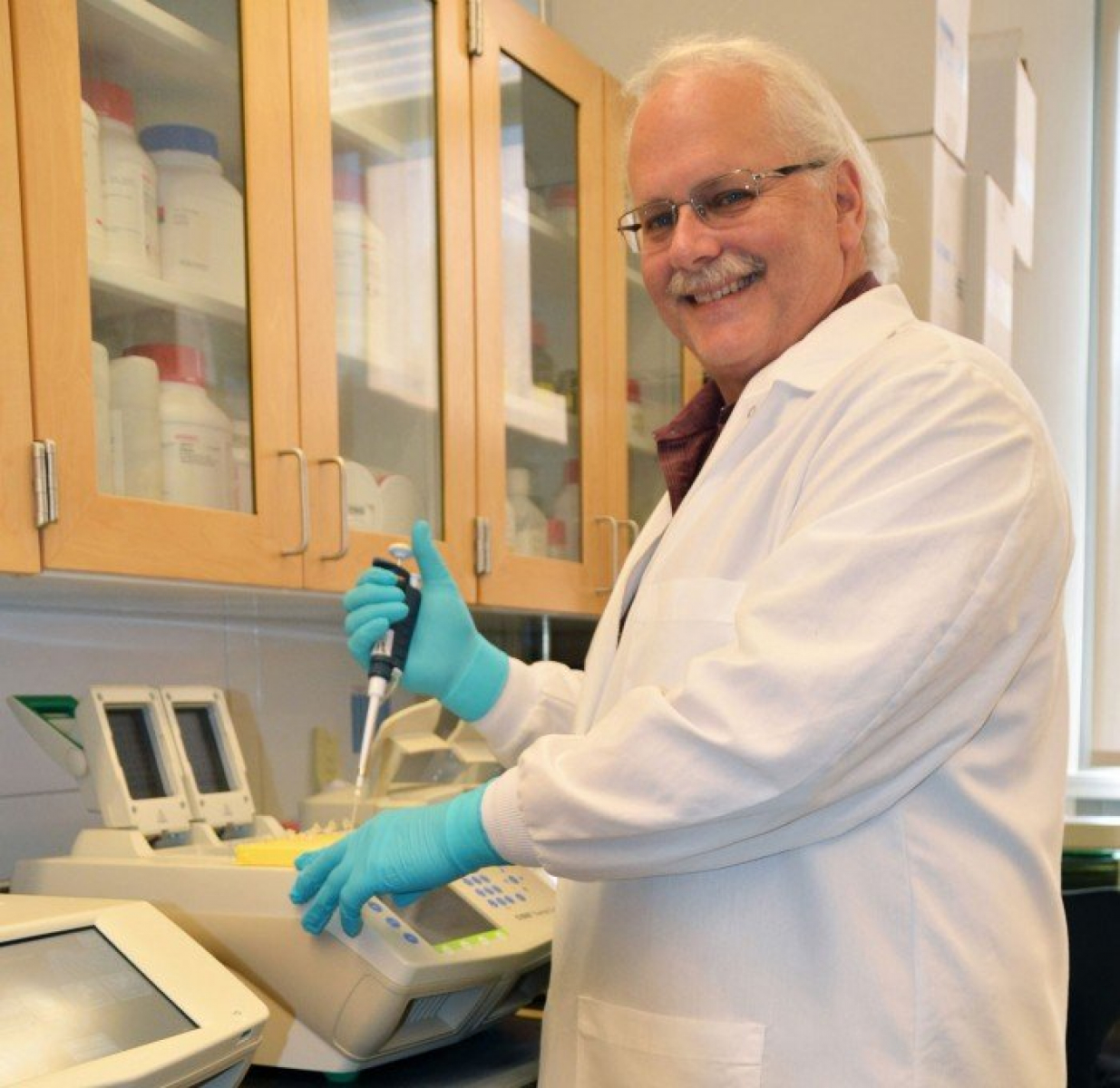
University of North Carolina virologist Ralph Baric retired this week after the National Institutes of Health removed him from all his grants last year and the university placed him on administrative leave. Neither Baric nor UNC responded to repeated inquiries from investigative reporter Paul D.
Thacker. The university announced the retirement in an email to administrators on Tuesday. Burr helped write the 2006 Pandemic and All-Hazards Preparedness Act, which created the Biomedical Advanced Research and Development Authority, known as BARDA.
Burr also sponsored the 1997 FDA Modernization Act, which regulates pandemic-related products. In his final year in office he backed legislation to create ARPA-H within the NIH, directing additional billions in funding for biomedical research. In 2022, as ranking member of the Senate HELP Committee, Burr released a report on the origins of the COVID-19 pandemic that focused on the Wuhan Institute of Virology.
The report was co-promoted by reporter Katherine Eban in an exclusive published with ProPublica and Vanity Fair. Thacker sent Burr questions about the report the day before its release, noting that sources said material on gain-of-function research in the United States had been removed.
Burr replied through an intermediary that DLA Piper, where he now works as a lobbyist, represents UNC and he could not discuss the matter.
President Biden's administration allocated $88.2 billion to the academic and biodefense sector in 2023. After leaving office, Burr joined DLA Piper, a law firm with more than 90 offices in over 40 countries, where he lobbies in the biodefense sector he helped create through three decades of legislation.
Baric founded a North Carolina company that received biodefense funding. One senior health official told Thacker that Tony Fauci was one of Baric's major sponsors at the NIH. The university had previously stated it could not comment on personnel matters.