Undersea Cables Face Risks in Strait of Hormuz and Red Sea
Submarine internet cables carry more than 99 percent of international data traffic. Recent threats and incidents have raised concerns about the routes that run through narrow corridors in the Middle East.
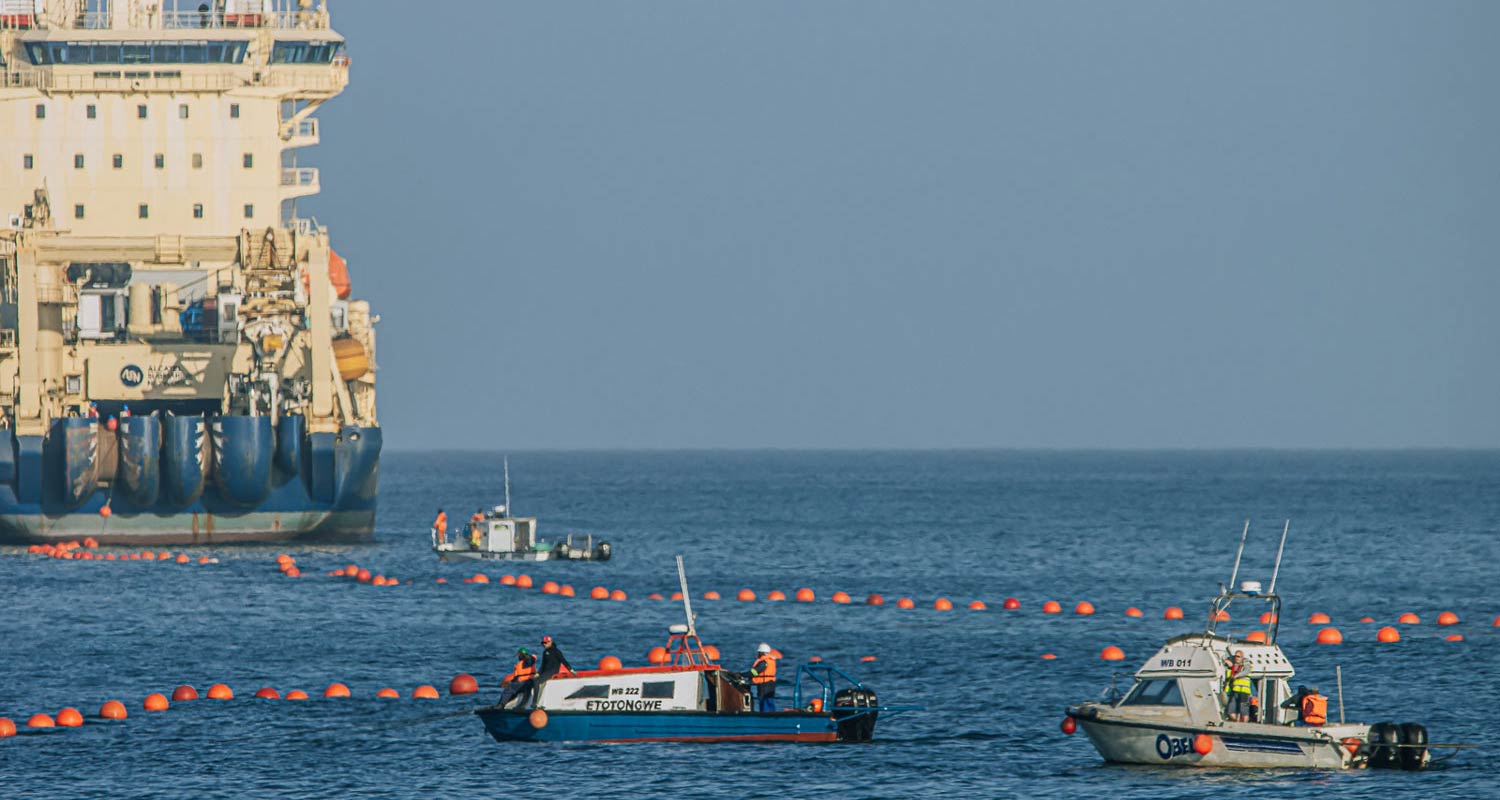 techcentral.co.za
Undersea internet cables carry more than 99 percent of international digital data traffic through narrow corridors that include the Strait of Hormuz and the Red Sea. The cables enable bank transfers, messaging, and other services, and the roughly 600 lines are owned mainly by private telecommunications companies.
Earlier this month, Tehran floated plans to impose tariffs on submarine cables in the Strait of Hormuz. Officials described the cables as a vulnerable chokepoint for the region's digital economy.
2024, four Red Sea data cables were cut after a Belize-flagged commercial ship dropped its anchor following a ballistic missile attack. The incident affected 25 percent of data traffic between Asia and Europe. In April, three Russian submarines conducted a covert operation over cables in waters north of the UK, although none were damaged.
Taiwan has accused China of several attacks on undersea cables in its region.
the UK announced it is introducing stringent new laws to punish any saboteurs that deliberately damage undersea internet cables, with a possible prison sentence. NATO funded a project in 2024 to reroute information through satellites after the Red Sea incident.
The project aimed to address the need for more resilient internet infrastructure. Tony O’Sullivan, CEO of global network provider RETN, said the industry needs a mix of submarine and terrestrial routes diversified across geopolitical regions. Alan Mauldin, research director at TeleGeography, said satellite systems cannot handle the same volume of traffic and are more expensive.
Transparency
Reported by a single outlet. This score reflects source tier and factual specificity — corroboration is limited with one source.
Story details
Related Stories
 thehindu.com
Iran Maintains Sovereignty Over Strait of Hormuz, Demands Asset Release Before Nuclear Concessions
Washington returned a stricter draft agreement to Tehran. Iran said it would not sign until frozen assets are released and rights secured.
 freepressjournal.in
Missile Strike in Indian Ocean Kills Four Near Sri Lankan Town
A missile struck a vessel off Sri Lanka's southern coast on May 31, 2026, killing four people. The incident occurred during the early phase of the U.S.-Iran conflict and was reported by local authorities.
 middleeasteye.net
Lawmakers Seek to Remove Israel Military Integration Provision From Defense Bill
Two members of Congress plan to strip a section from the annual defense budget that would increase coordination between the U.S. and Israeli militaries. The measure is part of a $1.15 trillion spending bill now moving through committee.