world
United Arab Emirates to Leave OPEC and OPEC+ Effective May 1
The United Arab Emirates announced its withdrawal from OPEC and the OPEC+ alliance, effective May 1, following a review of its energy strategies. The decision comes amid the US-Iran war and disruptions in the Strait of Hormuz, which have limited oil exports from Gulf producers.
Apr 28, 9:30 AM·2m read22 sources
 SE+19
SE+19
 al-monitor.com
Audio version
Tap play to generate a narrated version.
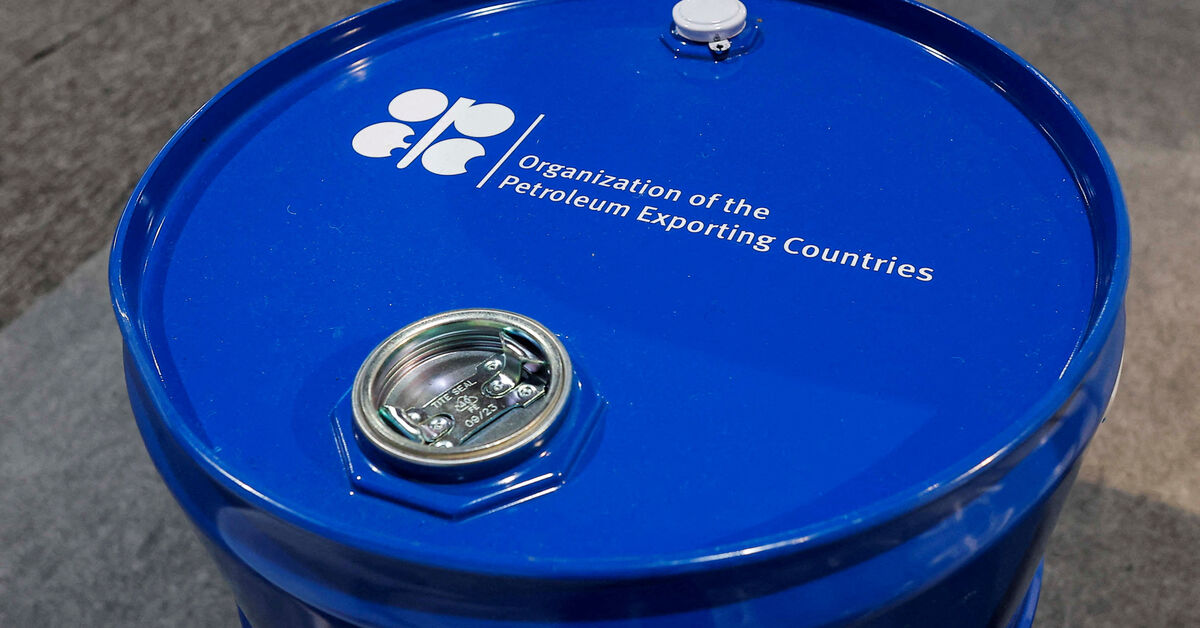
The United Arab Emirates will withdraw from the Organization of the Petroleum Exporting Countries (OPEC) and the OPEC+ alliance effective May 1, the country's Ministry of Energy and Infrastructure announced on April 28. The UAE, which joined OPEC in 1967, cited national interests and a comprehensive review of its production policies as reasons for the exit.
It was the third-largest oil producer in OPEC in February, behind Saudi Arabia and Iraq, with output of about 3.3 million barrels per day before the US-Iran war began.
Suhail Mohamed al-Mazrouei said the decision followed a careful assessment of current and future energy strategies. He added that the UAE did not consult other countries, including Saudi Arabia, before making the announcement. The move occurs during the ongoing US-Iran war, which has led to the effective closure of the Strait of Hormuz, blocking about 20% of global oil exports.
Gulf OPEC producers, including the UAE, have cut output by nearly 8 million barrels per day since February due to export limitations. The country can export 1.5-1.8 million barrels per day via a pipeline to the port of Fujairah, bypassing the Strait of Hormuz.
Saudi Arabia has a 7 million barrels per day pipeline to the Red Sea for similar bypassing. OPEC+ produced nearly 50% of global oil and liquids in 2025, but the share fell to about 44% in March amid the conflict. Anwar Gargash, diplomatic adviser to the UAE president, criticized the Gulf Cooperation Council's response to Iranian attacks as historically weak during a session at the Gulf Influencers Forum on April 27.
It reflects long-standing tensions over production quotas, with the UAE previously pushing for higher allocations in 2021 amid differing fiscal needs compared to Saudi Arabia. Saudi Arabia's fiscal breakeven oil price was estimated at $90 per barrel in 2025 by the IMF, compared to $49 for the UAE, due to differences in population, per capita income, and economic diversification.