UAE Leaves OPEC to Boost Oil Production
The United Arab Emirates has announced its formal withdrawal from OPEC effective May 1, citing a desire to increase oil output beyond cartel constraints. The move highlights growing tensions with Saudi Arabia and aligns with U.S. interests in lower oil prices during the Iran war. Experts note potential impacts on global oil markets and African producers.
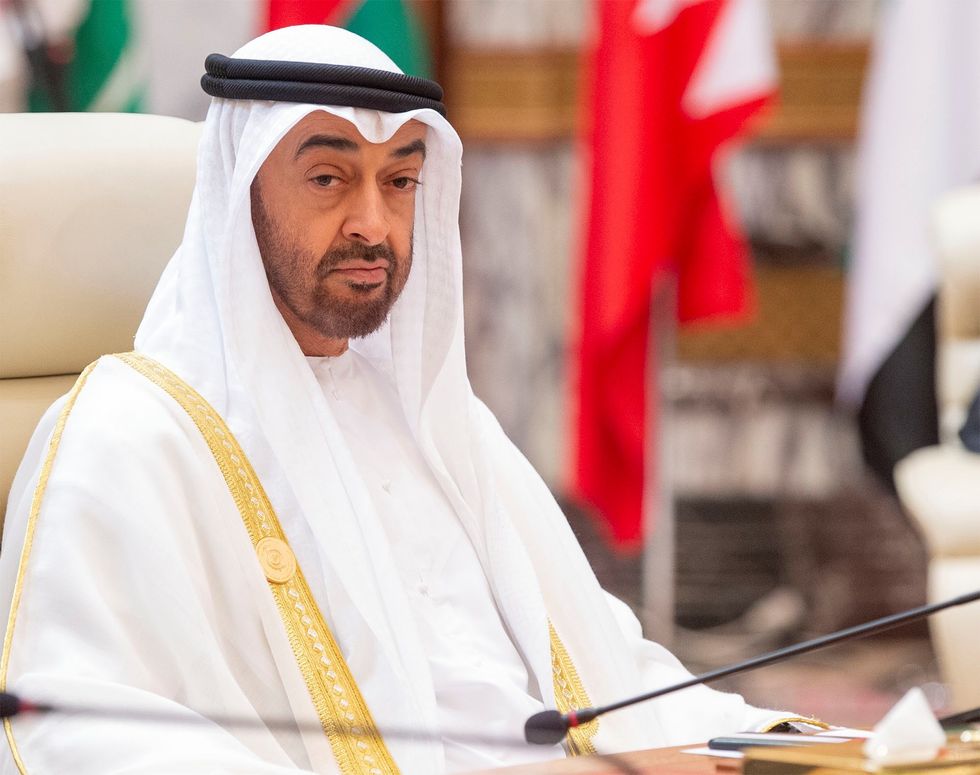
Responsible StatecraftThe United Arab Emirates announced its departure from the Organization of Petroleum Exporting Countries, or OPEC, effective May 1, after nearly 60 years of membership. The UAE, OPEC's third-largest producer behind Saudi Arabia and Iraq, aims to boost its oil output to 5 million barrels per day by 2027 from the current 3.4 million barrels per day.
This exit allows the country to bypass production quotas and pursue independent oil strategies. The decision comes amid the ongoing war with Iran, which has disrupted global oil supplies, including blockades in the Strait of Hormuz. Multiple sources indicate the UAE's move reflects long-standing disputes with Saudi Arabia over production levels and fiscal policies.
The UAE pushed for larger quotas as early as 2021, following disagreements on restoring output after the Covid-19 demand collapse.
Arabia and the UAE face differing economic pressures that contributed to the split. Saudi Arabia, with a population of 35 million and per capita income of $35,000, has a higher fiscal breakeven oil price of $90 per barrel in 2025, according to IMF estimates.
In contrast, the UAE, with per capita income of $50,000, had a breakeven price of $49 per barrel, reflecting greater economic diversification through foreign investment and sectors like finance in Dubai. Saudi Arabia has invested heavily in megaprojects like the Neom linear city, leading to trade deficits despite lower oil prices after the 2010s U.S. shale boom.
The UAE maintained trade surpluses of about 13% of GDP in 2025. These dynamics made the UAE less reliant on OPEC coordination and more aligned with U.S. policies favoring lower oil prices to support shale production and consumer incomes.
“The UAE is ostensibly leaving the cartel, driven by a desire to capitalize on oil assets before the peak transition to renewable energy, with the country looking to bypass OPEC production constraints and boost oil…”
The UAE's exit signals a deepening rift with Saudi Arabia on diplomatic issues, including conflicts in Yemen, Sudan, and Somaliland, as well as differing approaches to Pakistan and Israel. The UAE has pursued a more aggressive foreign policy, often opposing Saudi preferences, and appears closer to U.S. and Israeli positions.
Responsible Statecraft reported that the move is not driven by financial distress but by assertiveness, potentially as alignment with the U.S. amid the Iran war. Oil markets reacted with Brent crude surpassing $110 per barrel following the announcement, amid fears of prolonged disruptions from the Hormuz blockade.
The UAE's departure removes significant spare capacity from OPEC, weakening the cartel's ability to stabilize prices through coordinated cuts. This shift could intensify competition, benefiting low-cost producers like the UAE.
com reported that the UAE's low-cost exports could undercut higher-cost African crude producers, putting their exports at risk. African oil giants may face increased exposure to market volatility without OPEC's stabilizing influence. The exit follows a trend of countries leaving the organization in recent years, further eroding its market control.
The UAE seeks greater flexibility in global partnerships, including with China and the United States, to maximize revenues before a transition to renewables. JP Morgan analysts noted the potential for increased U.S. investment in the UAE post-exit. However, balancing oil prices remains challenging: low enough for U.S. consumers, high enough for shale viability around $60 per barrel, and higher for investments in places like Venezuela.
Russia dismissed fears of a price war after the UAE's departure, while OPEC officials stated the group will survive but faces real medium-term supply threats. Barclays projected accelerated UAE oil supply growth outside the cartel.
The announcement coincides with escalating tensions in the Middle East, including the U.S.-Iran ceasefire and ongoing blockades in the Strait of Hormuz. Iranian tankers have piled up outside the strait as the U.S. tightens its blockade to choke Iran's oil exports.
The war has already destroyed 1.6 million barrels per day in oil demand and driven up global prices, with California gasoline exceeding $6 per gallon. European Union officials warned that the energy crisis from the Iran war could last years, urging diversification of oil supplies.
Pakistan's prime minister stated oil import costs rose 167% since the war began. Major oil companies reported surging profits: Phillips 66 beat estimates due to higher refining margins, TotalEnergies raised dividends on oil trading gains, and BP's profit more than doubled.
Eni and Repsol are betting on post-Maduro Venezuela, while ADNOC plans multibillion-dollar U.S. gas expansions. The UAE's move underscores a strategic pivot, allowing full control over oil assets amid geopolitical shifts and energy transitions.
Key Facts
Story Timeline
5 events- May 1, 2026
The United Arab Emirates formally leaves OPEC.
5 sourcesNew York Times · BBC News · OilPrice.com - Apr 30, 2026 — 2 days ago
OilPrice.com reports UAE's departure puts African crude exports at risk.
1 sourceOilPrice.com - Apr 29, 2026 — 3 days ago
Brent crude tops $111 as analysts raise forecasts on Hormuz stalemate.
1 sourceOilPrice.com - 2021
UAE pushes for bigger production quotas amid disputes with Saudi Arabia over post-Covid output restoration.
1 sourceResponsible Statecraft - 2010s
U.S. shale revolution leads to sharp drop in oil prices, affecting Saudi and UAE fiscal dynamics differently.
1 sourceResponsible Statecraft
Potential Impact
- 01
Global oil prices remain elevated due to ongoing Hormuz disruptions.
- 02
OPEC's ability to control global oil prices weakens without UAE's spare capacity.
- 03
African crude exports face increased competition from low-cost UAE oil.
- 04
UAE attracts more U.S. investment in its oil sector post-exit.
- 05
Energy crisis in Europe persists for years amid supply diversification challenges.
- 06
Saudi Arabia adjusts production strategies to compensate for UAE departure.
Transparency Panel
Related Stories
koreaherald.comJudge in Kim Keon Hee Corruption Appeal Found Dead Near Seoul High Court
The presiding judge in the appeals trial of former South Korean first lady Kim Keon Hee was discovered dead near the Seoul High Court early Wednesday. Police are investigating the incident as a possible suicide after finding a note at the scene. The death follows the court's rece…
Survey Shows Most Israelis Oppose Ending Iran Conflict Under Current Terms
A survey by the Israel Democracy Institute indicates that 59 percent of Israelis oppose ending the ongoing conflict with Iran at this stage. Iranian Foreign Minister Abbas Araghchi visited China amid regional tensions and ahead of U.S. President Donald Trump's planned trip to Bei…
news.sky.comFrench Cargo Ship Hit by Missile in Gulf Region, Injuring Filipino Crew
A French-owned cargo ship was struck by a cruise missile in the Gulf region, resulting in injuries to several Filipino crew members. U.S. officials attributed the attack to Iran, according to CBS reports. Three additional incidents have been reported in the area since the strike.