world
United States Incurs Aircraft Losses in Six-Week War with Iran in Middle East
The United States experienced multiple aircraft losses during a nearly six-week conflict with Iran that spread across the Middle East. Bahrain reported its F-16 Block 70 jets achieving air-to-air kills against Iranian drones. Evidence indicates US deployment of scatterable mines near an Iranian village, resulting in casualties, while satellite imagery access remains limited due to blackouts.
Apr 8, 5:43 PM·1m read8 sources
TH

 Substrate placeholder — needs review
Audio version
Tap play to generate a narrated version.
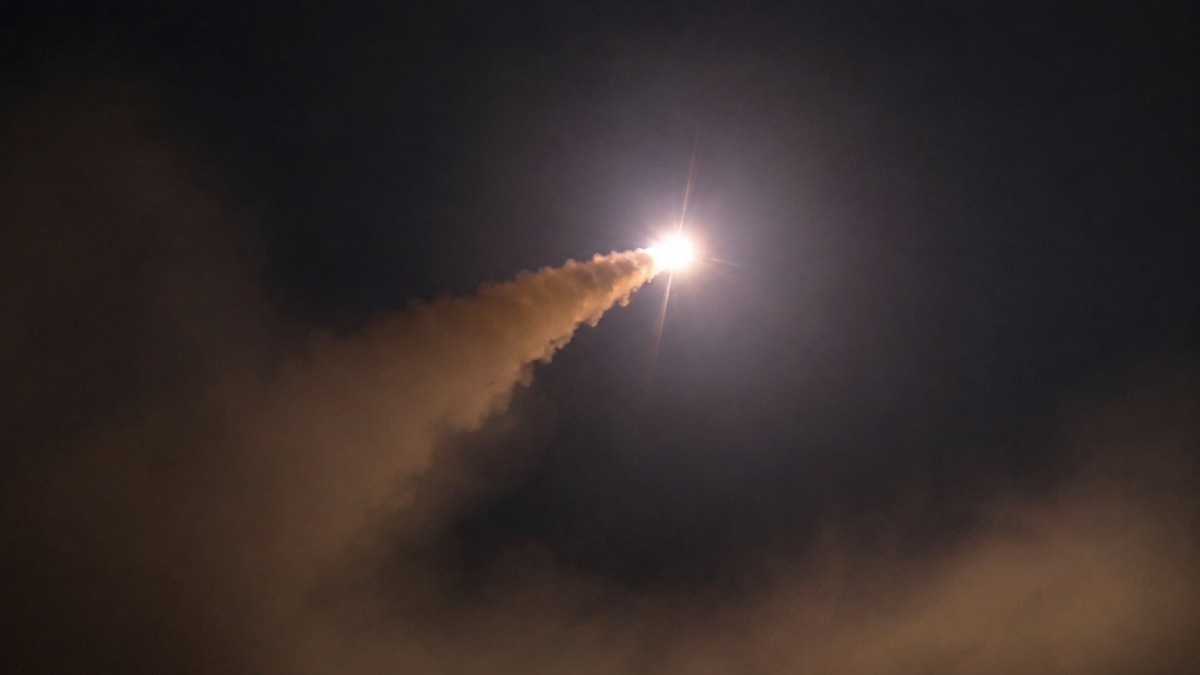
The United States engaged in a nearly six-week war with Iran, resulting in several known American aircraft losses. The conflict, referred to as Operation Epic Fury in some reports, involved aerial operations in the Middle East. Visualizations of these losses have been documented by defense analysts.
Bahrain became the first nation to claim air-to-air kills using F-16 Block 70 jets, downing two Iranian drones earlier this month. This occurred during the ongoing hostilities in the Persian Gulf region. The advanced fighters demonstrated capability against unmanned aerial threats.
Typhoon aircraft tested laser-guided counter-drone rockets amid battles with Iranian drones in the Persian Gulf.
The trial addressed immediate operational needs in the conflict zone. New sightings of the RQ-180 stealth drone over Greece provided additional details on its daytime flight characteristics. A high-risk rescue operation extracted the weapons systems officer from a downed F-15E deep in Iranian territory.
Updated details reveal the mission's execution and challenges faced by US forces. This incident highlights the intensity of operations behind enemy lines.
Deployment and Imagery Challenges Bellingcat
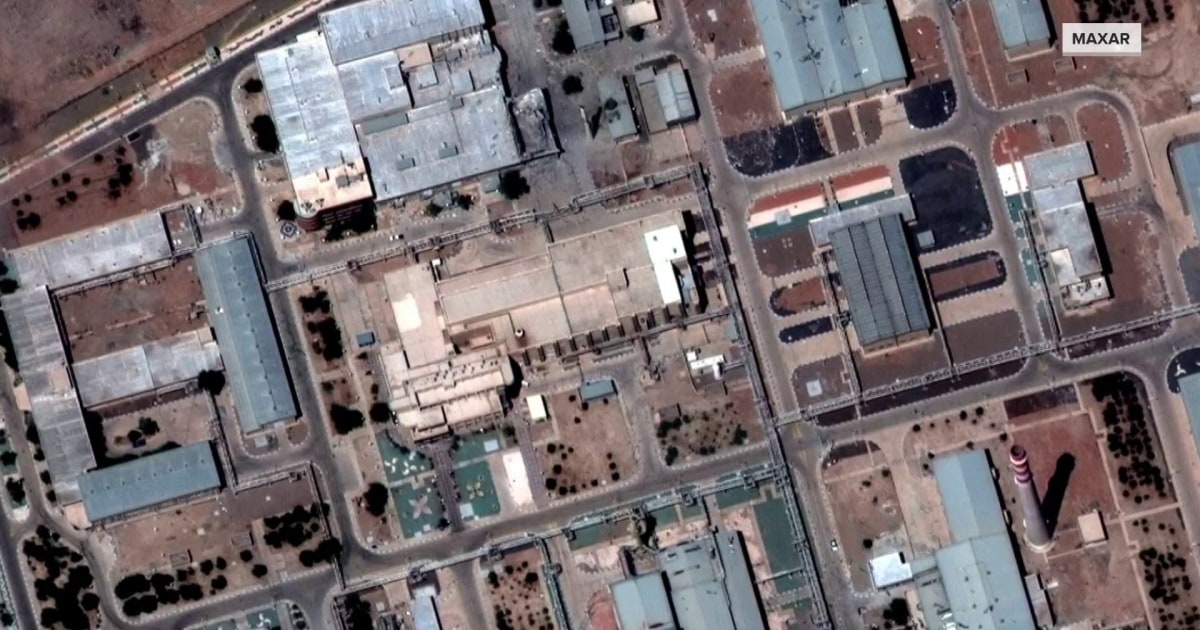
analysis points to US use of the Gator Scatterable Mine system over Kafari, a village near Shiraz in southern Iran.
The deployment occurred overnight, with Iranian media reporting several deaths. Three experts identified the munitions as US-made air-delivered anti-tank mines; the US is the only known participant in the war using this system. Access to satellite imagery of the conflict has been sporadic due to an Iranian internet blackout.